
Start Here: The Journey Home
Begin with Radhanath Swami's autobiographical memoir The Journey Home. This New York Times bestseller traces his path from a searching American teenager in the 1960s through Europe, Turkey, Iran, and Afghanistan, ultimately landing in India where he embraced the bhakti yoga tradition. It's the clearest window into both his personality and his philosophy—you'll understand why millions follow his guidance by watching him navigate doubt, danger, and spiritual longing across continents. The narrative momentum carries you through complex ideas about devotion without requiring any background in Vedic tradition. You're reading about a young man from the Midwest trying to figure out what matters, which happens to unfold against ashrams and Himalayan caves.
What to Expect on First Encounter
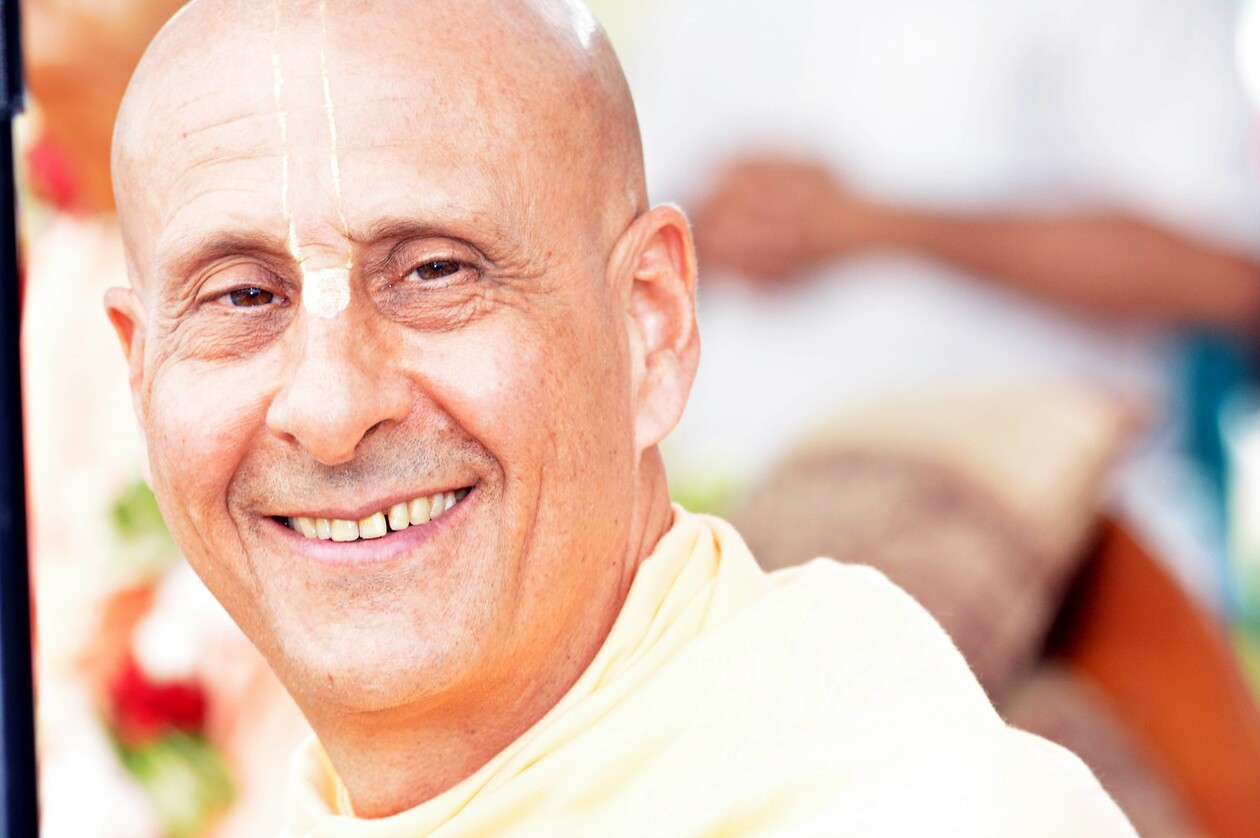
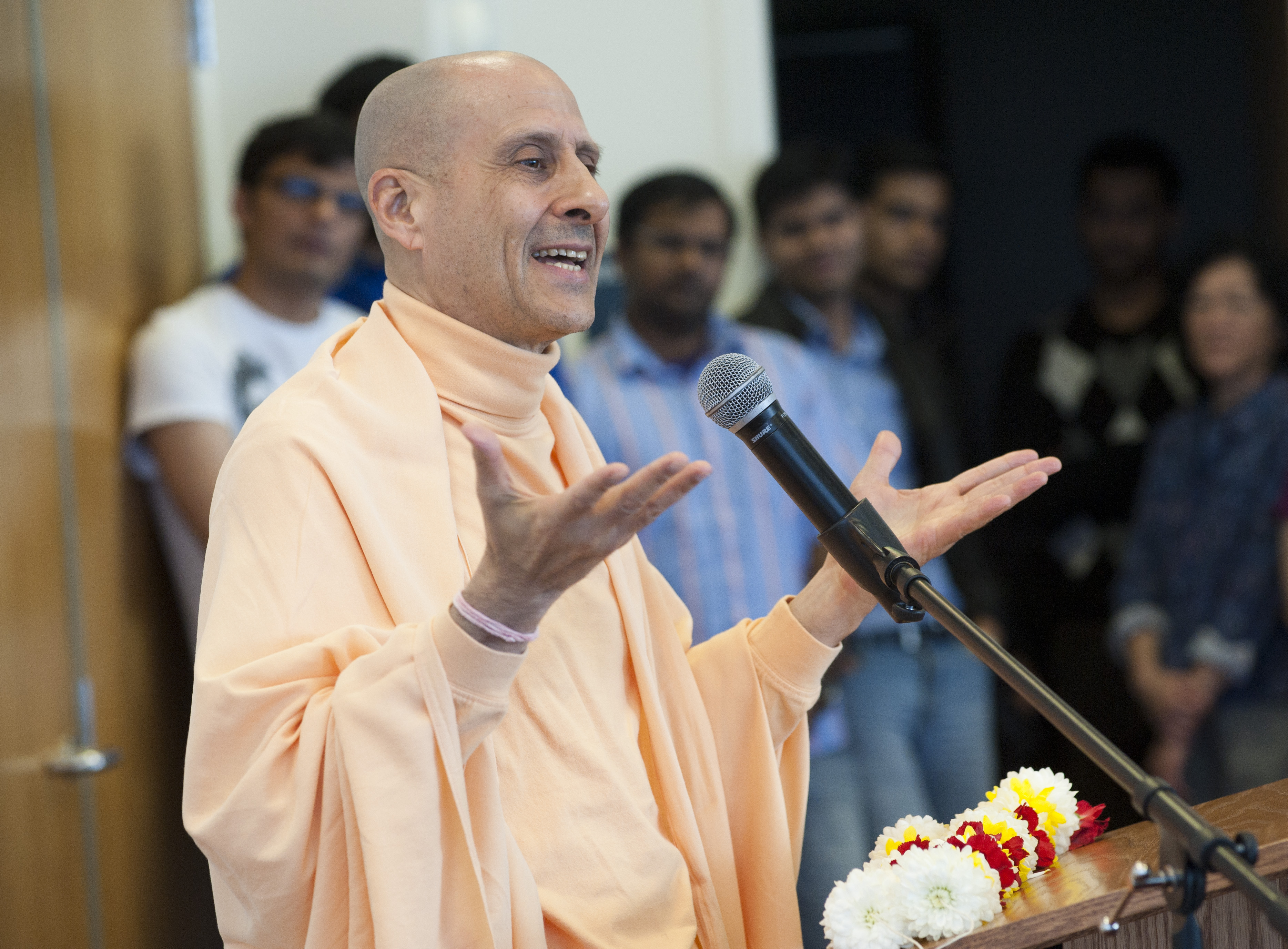
Radhanath Swami speaks with unusual gentleness and precision. Whether you're reading his prose or watching talks, expect measured pacing—he's never rushing to make a point. His communication style reflects decades of monastic discipline: quiet authority without performance. The bhakti yoga teachings center on devotion and service as spiritual practice, which may initially sound abstract if you come from secular mindfulness traditions. Unlike wellness-oriented meditation teachers, he's unapologetically devotional, rooted in specific Vaishnava lineage and practice. But he translates these ideas through stories—mostly his own adventures and the people who shaped him—rather than doctrine.
After The Journey Home: Your Next Steps
Once you've finished the memoir, move to The Journey Within. This companion volume shifts from autobiography to practical spiritual instruction, exploring how bhakti principles apply to contemporary life challenges: relationships, purpose, suffering, ego. It assumes you now understand his background and dives into application.
Then explore the Bhakti Center's online offerings or Vani School courses. These structured programs in bhakti yoga, meditation, and kirtan (devotional chanting) give you experiential entry rather than purely intellectual engagement. Radhanath Swami's work ultimately centers on practice, and these platforms provide accessible starting points without requiring relocation to an ashram.
Common Misunderstandings
Newcomers often mistake Radhanath Swami's gentleness for vagueness. His soft-spoken delivery can read as platitudinous if you're skimming, but he's actually offering precise, demanding teachings about ego dissolution and surrender. These aren't self-help tips—they're a comprehensive spiritual path requiring fundamental reorientation.
Another confusion: assuming his social initiatives (the 1.2 million daily meals served to Indian schoolchildren, the hospital network, Govardhan Ecovillage) are separate from spiritual practice. For him, service work is bhakti yoga in action. The activism isn't applied spirituality—it's inseparable from the devotional path.
When This Work Lands Hardest
Radhanath Swami's teachings resonate most powerfully during transitions and breakdowns. When achievement, accumulation, or self-optimization strategies fail—after career collapse, relationship dissolution, health crises, or simply the slow recognition that material success hasn't delivered meaning—his message about devotion as life's center offers radical alternative framing. His own journey from suburban America to Indian monasticism gives permission to question everything.
The work also deepens during periods of service or activism burnout. If you've exhausted yourself trying to fix the world through willpower alone, his integration of inner practice with outer action (evidenced in his decades running massive social programs) provides sustainable models.
Your One-Week Starter Plan
Days 1-3: Read the first third of The Journey Home (roughly 100 pages). Journal one question the reading raises about your own spiritual seeking or lack thereof.
Day 4: Watch any available online talk or teaching video featuring Radhanath Swami. Notice how his spoken presence compares to the written voice.
Day 5: Research one of his social projects—the Midday Meals Project or Bhaktivedanta Hospital. Consider the relationship between contemplative practice and addressing material suffering.
Days 6-7: Finish The Journey Home. Write down three specific elements of bhakti yoga you want to understand better, then explore whether Vani School or the Bhakti Center offers relevant introductory courses.
This week won't make you a practitioner, but it'll clarify whether this path warrants deeper investigation. Radhanath Swami offers a specific, demanding, devotionally-centered approach to meaning-making—not for everyone, but transformative for those it calls.