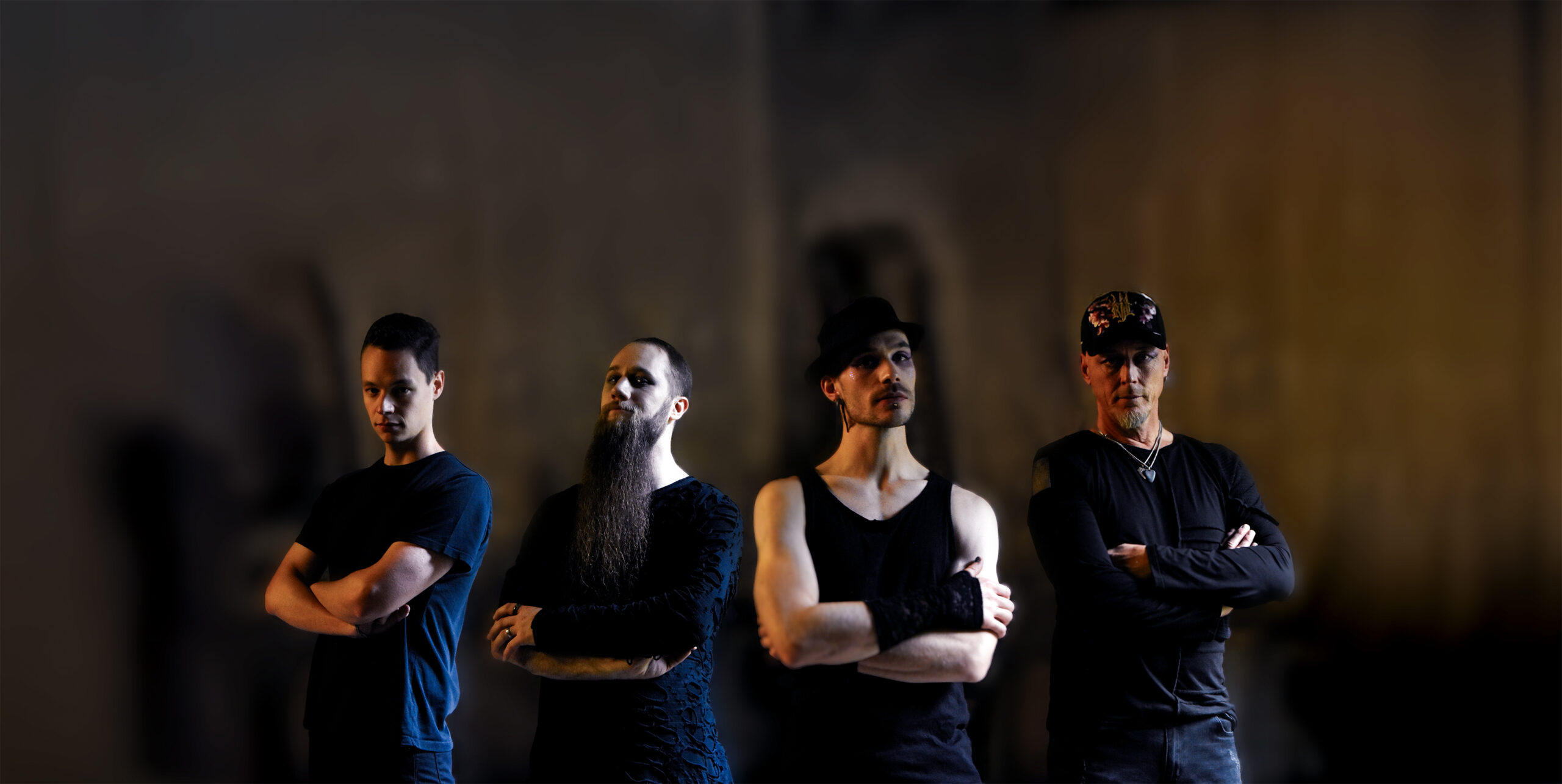

Maruna emerged from Mainz, Germany, a city whose musical identity has long been shaped by independent venues and underground movements. The capital of Rhineland-Palatinate, Mainz offers something particular to bands willing to work outside the mainstream—a network of small clubs, rehearsal spaces, and a community that values substance over spectacle. It was in this environment that Maruna developed their sound, moving deliberately through the stages of formation that many metal bands rush past: rehearsal, local performance, demo work, and finally, the commitment to recorded output.
The band operates within the lineage of contemporary metal, drawing on the sonic vocabulary that has defined the genre's evolution over the past two decades. But from the beginning, Maruna distinguished themselves through an unusually holistic approach to their work. They weren't simply writing songs—they were building an identity that encompassed sound, visual design, and the physical artifacts that connect a band to its audience.
VOODOO, Maruna's debut album, represents the first full realization of the band's aesthetic and musical vision. Released on streaming platforms, the record marks their formal entry into the documented history of European metal, a statement of intent that goes beyond demo-quality recordings or single releases.
The album showcases the precision and intensity that define contemporary heavy music, capturing both the technical demands of the genre and the emotional weight that gives metal its enduring appeal. For Maruna, VOODOO serves as more than a calling card—it's the foundation of their live performances and the anchor point for everything that has followed. The record demonstrates a band that arrived with their ideas already formed, their sound already cohesive, avoiding the tentative quality that often marks debut efforts.
What distinguishes VOODOO is its integration into a larger visual and material project. The album artwork, merchandise design, and stage presentation all speak the same language, creating a unified experience that extends beyond the forty or fifty minutes of music. This attention to totality suggests a band thinking in terms of world-building rather than simply song-building.
One of Maruna's most distinctive contributions to the contemporary metal landscape lies in their approach to merchandise. Rather than outsourcing design and production, the band creates and produces their own merchandise in-house, maintaining creative control over every aspect of their material presence.
Recently, they launched a line of T-shirts made from organic cotton—a choice that reflects a growing awareness within underground music communities about the environmental impact of touring and merchandise production. This isn't greenwashing or virtue signaling; it's a practical engagement with the contradictions inherent in a genre that often celebrates excess while existing within a DIY economy that requires constant production and consumption of physical goods.
By bringing sustainable fashion principles into the metal world, Maruna addresses a tension that many artists feel but few directly confront: how to maintain the economic infrastructure that supports independent music while reducing the environmental footprint that comes with it. Their merchandise becomes part of their artistic statement, not separate from it.
Following the release of VOODOO, Maruna transitioned from studio work to active live performance, establishing themselves within the German metal circuit. This progression—methodical and patient—reflects the band's overall approach. They built a record worth touring on, then took that record on the road, using each performance to expand their reach and refine their live presence.
The European metal scene offers particular opportunities and challenges for emerging bands. The network of small to mid-sized venues across Germany provides infrastructure for touring acts, but it also demands consistency and professionalism. Maruna's ability to move from Mainz regional shows to broader German circuit dates suggests a band that understands the unglamorous work required to build a sustainable career in heavy music.
With just over 400 followers on Spotify, Maruna exists in that crucial middle space where most working musicians actually live—beyond the initial friends-and-family circle, but well before any kind of mainstream recognition. This is the zone where artistic identity gets tested and refined, where a band discovers whether their work resonates beyond their immediate community.
What makes Maruna noteworthy isn't viral success or industry backing, but their commitment to a comprehensive artistic vision. They represent a generation of metal musicians who understand that recorded music is only one component of a larger cultural practice. By controlling their visual identity, engaging with sustainable production, and building their presence through consistent live work, they're demonstrating one viable path for underground music in an era when traditional models of development and distribution have collapsed.
Their significance lies in their seriousness—the refusal to treat any aspect of their work as secondary or merely functional. In a genre often divided between bands chasing trends and bands clinging to tradition, Maruna offers a third way: contemporary in sound, independent in structure, and thoughtful about the cultural and environmental implications of their work. For listeners and fellow musicians alike, they matter because they're doing the work, all of it, with integrity.