
Don Reed Simmons has no documented albums. The catalog supplied for this guide lists zero releases, so there is no first record to date and no discography to trace. What exists is a body of recorded teaching: guided meditations and talks on his YouTube channel and website, and recordings of sound and meditation work. He has also performed and recorded with the sound healing artists Steven Halpern and Jonn Serrie. The specific titles, years, and formats of those recordings are not documented, so this guide names none of them.
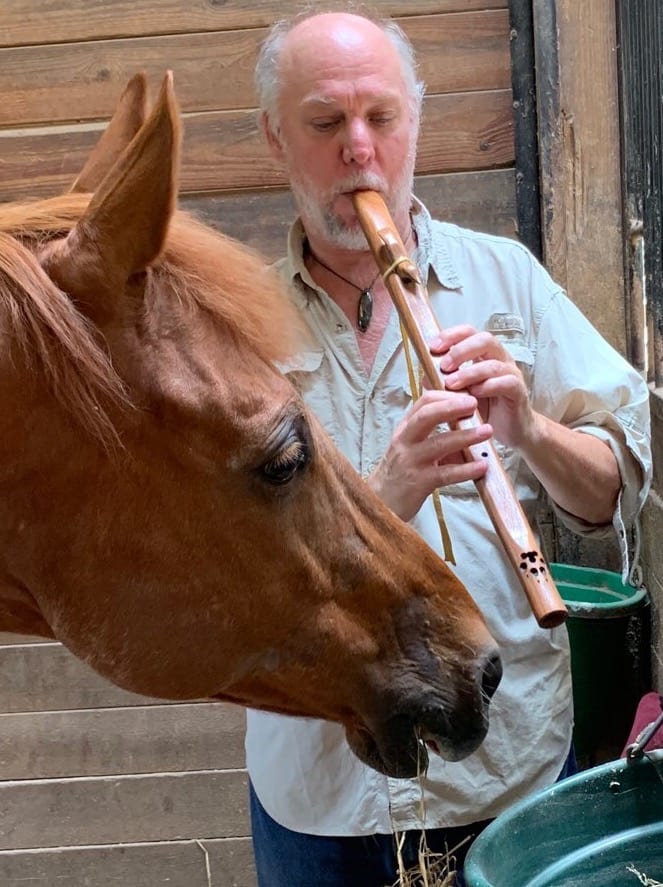
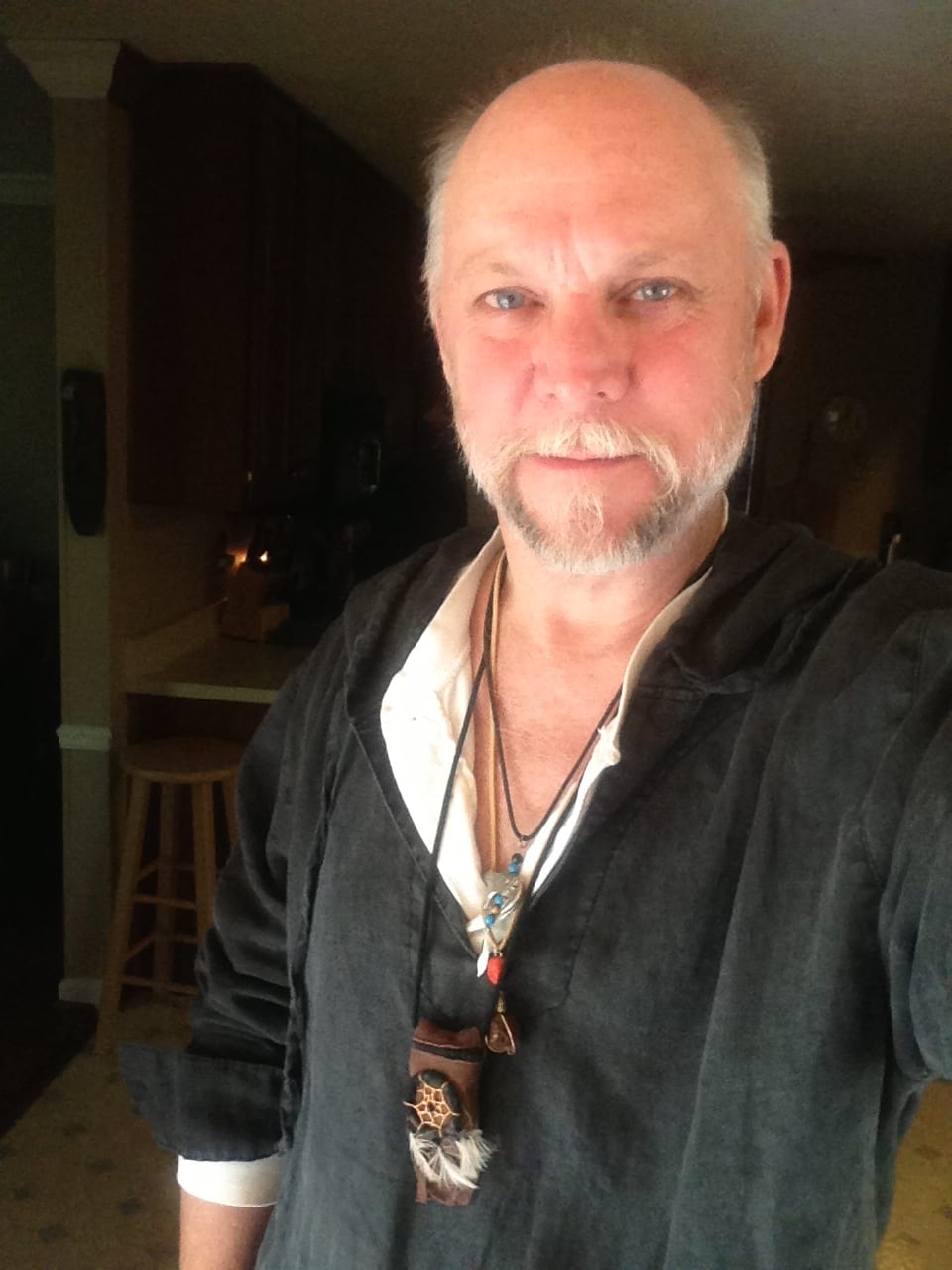
His voice and practice matter more than a release schedule. He is a meditation teacher, hypnotherapist, shamanic practitioner, and therapeutic sound practitioner who grew up on a farm in the South. After a near-fatal scuba dive in Hawaii in the 1970s, a Hawaiian kahuna became his teacher and spirit guide in meditation, and he has taught "The Shamans Path to Awakened Living" since 2005. He has studied with Thich Nhat Hanh and Jon Kabat-Zinn, and he leads meditations on compassion, mindfulness, loving-kindness, and Ho'oponopono. His profile lists mindfulness as his genre, and his Spotify presence has about 25,650 followers.
An album-by-album walk would require invented titles, covers, and track names, and this guide will not make any up. Until a verified discography exists, the useful way to listen is by practice rather than by record.
Start with the guided meditations. For a newcomer, the most accessible entry is his work on mindfulness and loving-kindness, which reflects his training with Thich Nhat Hanh and Jon Kabat-Zinn. The recordings on his YouTube channel let you hear his teaching voice before committing to a live session.
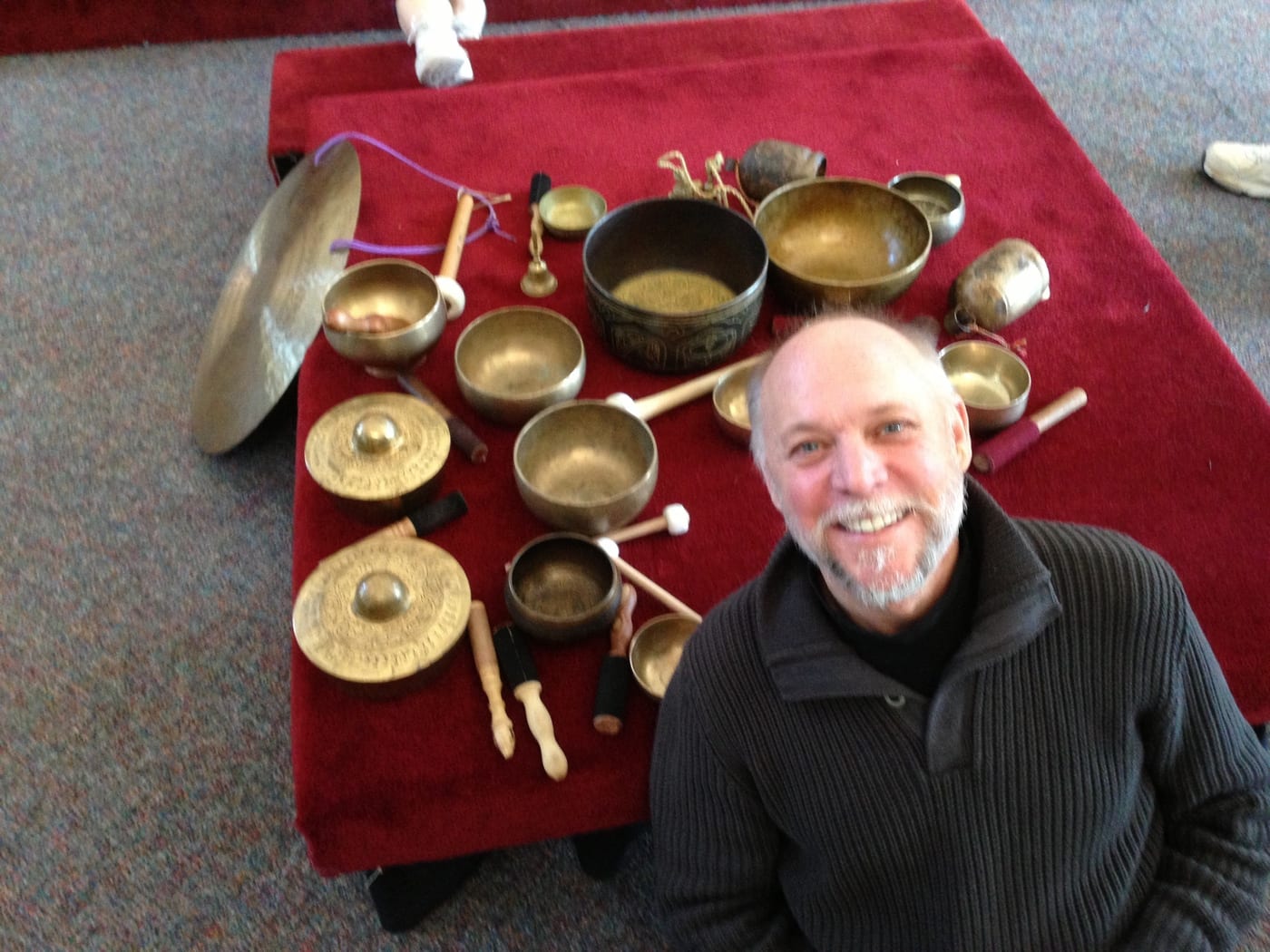
Move to the sound work if sitting feels difficult. His therapeutic sound offerings with Tibetan and crystal bowls can work as a gentler gateway, even without meditation experience. The experience is largely somatic and non-verbal, and the tones carry the work.
Listen for the collaborations. His work with Steven Halpern and Jonn Serrie places him inside the wider ambient and therapeutic sound community. Check his website for current details, since the specific releases are not documented here.
Expect a particular texture. His approach is pragmatic and grounded rather than ornamental, shaped by years as a crisis counselor and by a childhood marked by illness. Sustained tones and slow, compassion-centered practice suit some listeners better than others. If you prefer rhythmic, dynamic music for spiritual practice, this work may feel spare.
Because no albums are documented, these recommendations point to kinds of recording rather than titles. Check his website and YouTube channel for what is currently available.
- Devotional: Choose a Ho'oponopono meditation, the Hawaiian practice of reconciliation and forgiveness he teaches, which connects to his relationship with his kahuna teacher.
- Contemplative: Choose a mindfulness meditation. It reflects his training with Thich Nhat Hanh and Jon Kabat-Zinn and suits quiet, attentive listening.
- Energetic: This is the least natural fit. His documented work is slow and tone-based, so the closest option is a shamanic-journey recording, which involves inner travel rather than stillness. Confirm what is available on his website.
- Healing: Choose a Tibetan or crystal bowl session, or a loving-kindness meditation. Both fit his focus on compassion and on the body and nervous system as sites of healing.
When a verified discography appears, this guide can be expanded into a full album-by-album walk.