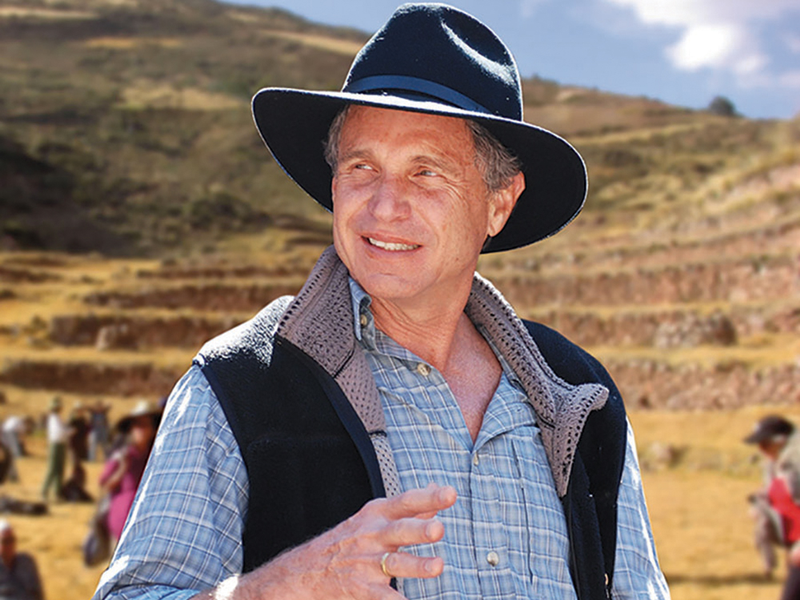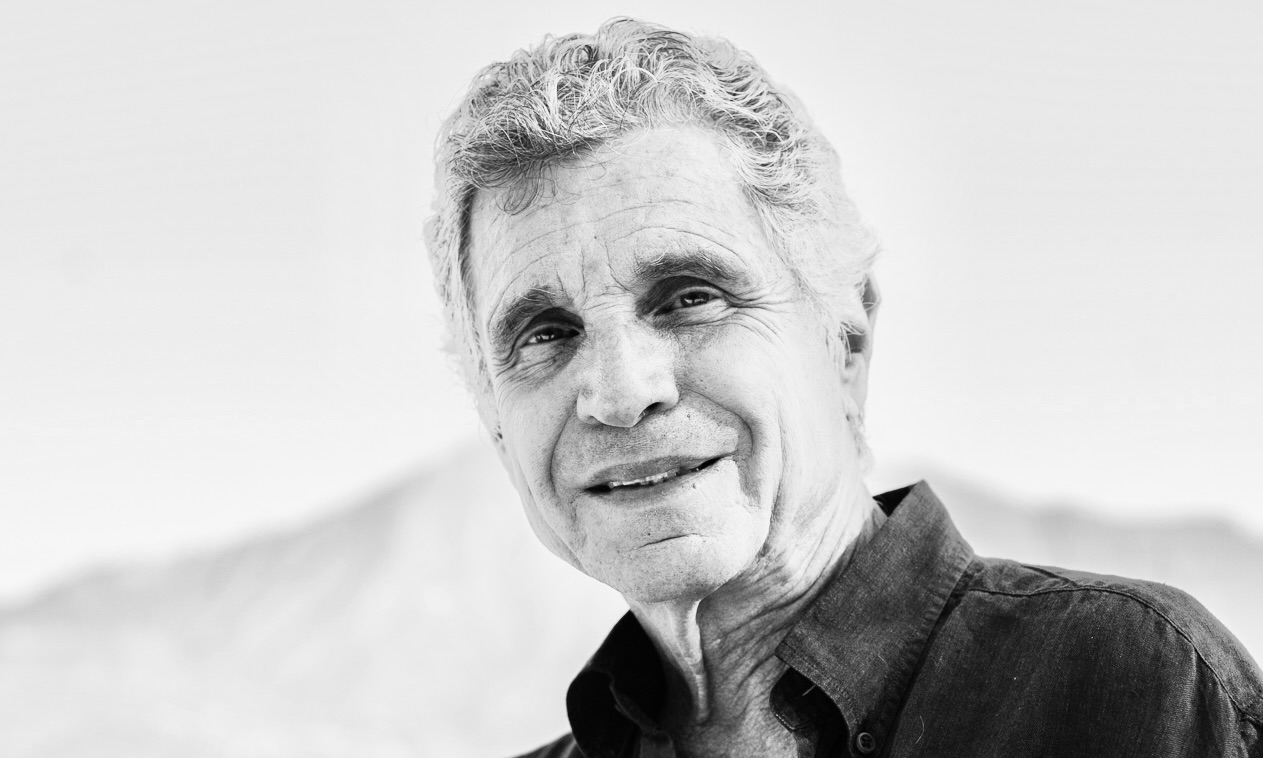

A typical session with Alberto Villoldo begins not with stillness but with explanation. Before any shamanic journey or energy healing protocol unfolds, there is context—neuroscience studies, nutritional biochemistry, perhaps a reference to mitochondrial function or the vagus nerve. Then comes the cosmology: the kawsay pacha, the living energy universe of Andean tradition; the ñawi, the eye of perception that sees beyond matter. Only after this dual framing does the actual practice begin. This layering—Western science, indigenous cosmology, direct experience—defines the architecture of his teaching. Students are not asked to choose between rationality and mystery, but to hold both simultaneously, sometimes uncomfortably.
His retreats and workshops follow a rhythm of instruction, ritual, and integration. Mornings might involve teachings on the luminous energy field or the brain's default mode network. Afternoons turn to ceremonial work: fire ceremonies to release old stories, mesa work with sacred objects, journeying to engage with helping spirits or power animals. Evenings often circle back to discussion, where participants attempt to metabolize what happened during the day's practices. The pacing is deliberate, almost pedagogical in its construction—less spontaneous immersion than structured curriculum. This is teaching designed for those who need a bridge, who cannot leap directly into the unseen without handrails made of data and theory.
Villoldo returns obsessively to several themes: the necessity of dying to one's old self before authentic transformation can occur; the concept that we are not meant merely to heal our wounds but to grow new bodies—literally, neurologically, cellularly; the idea that physical illness originates in the luminous energy field and must be addressed there first. He speaks frequently of the ayni, the reciprocity woven into Andean cosmology, extending it beyond ritual offerings to include how we metabolize trauma and how we consume food. His integration of nutrition—particularly ketogenic diets and fasting protocols—into shamanic practice is unusual, even jarring for some. He insists that brain chemistry and spirit work are inseparable, that one cannot journey deeply if blood sugar is spiking, that mitochondria are as sacred as chakras.
The questions he poses are existential but grounded: What story is your suffering telling? What needs to die so something new can be born? How do you feed the energetic body, not just the physical one? Are you willing to become unrecognizable to yourself? These are not koans designed to short-circuit the rational mind but genuine inquiries that assume intelligence, agency, and the capacity for radical self-authorship.
His delivery is conversational, laced with autobiography and field stories from decades working with Andean paqos and Amazonian curanderos. There is humor, often self-deprecating, about his early missteps as an anthropologist-turned-apprentice. He references his Cuban heritage, his initial skepticism, his struggles with the physical demands of mountain living and plant medicine. But he rarely uses silence as a teaching tool. Where some traditions work through spaciousness and subtraction, Villoldo works through accumulation—more information, more practices, more frameworks. The aesthetic is explanatory rather than evocative, didactic rather than devotional.
His teaching lands most powerfully for those who need intellectual permission to enter non-ordinary reality. Ex-academics, healthcare professionals, psychotherapists—people trained in empiricism who feel the tug of something beyond materialism but cannot abandon their critical faculties. It also attracts those dealing with chronic illness who have exhausted conventional medicine and need both practical intervention and mythic reframe. The synthesis of shamanism and science offers them legitimacy without requiring full conversion to either paradigm.
It will likely bounce off those seeking pure lineage transmission or those allergic to Western frameworks infiltrating indigenous practice. Traditionalists may bristle at the dietary protocols, the entrepreneurial scale of his organization, the certifications and programs that package shamanic initiation into modules and levels. Mystics comfortable with paradox and silence may find the explanatory density exhausting, the rituals over-structured, the integration of science reductive rather than expansive.
Villoldo belongs to the tradition of translator-practitioners who carry indigenous knowledge into Western contexts, a lineage that includes Michael Harner's core shamanism and Sandra Ingerman's soul retrieval work. Like them, he walks the contested border between cultural preservation and adaptation, between honoring teachers and creating new forms. His particular contribution is the metabolic dimension—the insistence that transformation requires not just ceremony but physiology, that healing the light body means also healing the gut, the brain, the cellular machinery of being human. Whether this represents evolution or dilution depends largely on what a student needs shamanism to be.