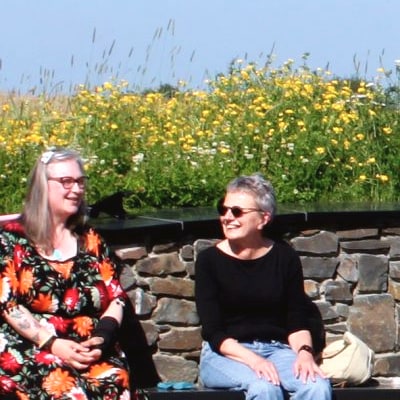
Taraloka Retreat Centre — Bettisfield, UK
Buddhist retreat centre for women in the Welsh Borders, founded 1985
Taraloka is a Buddhist retreat centre for women located in Bettisfield, near Whitchurch in Shropshire, on the Welsh Borders. Founded in 1985 and operating as a registered charity (no. 274500), it is part of the Triratna Buddhist Community and offers residential Buddhist and meditation retreats for all levels of experience, from complete beginners to ordained members of the Triratna Buddhist Order. The centre came into being in the 1980s when growing numbers of women were deepening their practice within the Triratna Buddhist Community — then known as the FWBO — but no women's retreat centres existed within the tradition. Taraloka was established to fill that gap, and for more than forty years it has operated as a women-centred space where ordained women practitioners teach other women, and where newer practitioners witness the practice of more experienced ones. The teaching given on retreat is rooted in the Buddhist tradition and delivered by ordained Buddhists. Retreats at Taraloka are organised across several levels. Introductory weekends — covering themes such as Kindness and Mindfulness — require no prior experience and are open to anyone of any faith or none. Open retreats include meditation instruction, periods of silence, and introductions to Buddhist teaching, and are suitable for both beginners and those with existing experience. Triratna Regulars retreats are designed for those already practising within the community who are familiar with the Mindfulness of Breathing, Metta Bhavana, and the Sevenfold Puja, and include extended periods of sitting meditation and silence. Further retreats are offered for Mitras, Going for Refuge Mitras, and Triratna Order Members. Named programmes on the current calendar include the New Year Retreat, Winter Oasis, Entering the Mandala of Tara: Intensive Meditation Retreat, Mystery of Mantra, Dakini: Dancing with Life, Brahma Viharas — Living in the Mandala, The Revolutionary Heart (Women of Colour), and the Taraloka Arts Residency, among others. An online programme, the Compassionate Warrior Training, is also offered. The site itself sits on seven acres that were intensively farmed agricultural land when Taraloka was founded in 1985. Over four decades the land has been transformed into a wildlife haven with woodlands, ponds, and wildflower meadows, home to lapwings, skylarks, hares, and rare great crested newts. The property borders the Llangollen canal, an important wildlife corridor, and lies one field from Whixall Moss, a Site of Special Scientific Interest. The retreat centre is mostly flat in access, with all communal areas on the ground floor, an accessible bathroom with walk-in shower, a portable hearing loop, and ground-floor bedrooms available. All food provided on retreat is 100 percent vegan. Heating is supplied by a wood pellet boiler, and the centre uses a green electricity provider and harvests rainwater for the garden. Taraloka draws women — and those of a wider diversity of gender identities — who are seeking to deepen meditation practice, explore Buddhist teaching, or simply step back from the pace of ordinary life within a supportive residential community. Retreats move through periods of shared practice, Dharma presentations, meditation reviews, devotional ritual (puja), and silence, with the land itself forming part of the contemplative environment. The centre describes its purpose as teaching freedom: the opportunity, as it puts it, to touch something deep within — and to carry that change back into the world.
Traditions: Triratna Buddhism, Buddhist Meditation, Mindfulness of Breathing, Metta Bhavana, Sevenfold Puja, Dharma Study, Buddhist Ritual, Mantra Practice
Programs: Introductory Weekends (Kindness, Mindfulness), Open Retreats, Triratna Regulars Retreats, Mitra Retreats, Going for Refuge Retreats, Order Retreats, New Year Retreat, Entering the Mandala of Tara: Intensive Meditation Retreat, Compassionate Warrior Training (Online), Taraloka Arts Residency
Amenities: Seven-Acre Grounds, Woodland and Ponds, Wildflower Meadows, Accessible Bathroom, Ground Floor Bedrooms, Portable Hearing Loop, Vegan Food, Wood Pellet Heating, Rainwater Harvesting, Llangollen Canalside Setting
Frequently Asked Questions
What makes Taraloka different from other Buddhist retreat centres?
Taraloka has been women-only since 1985 — founded specifically because the Triratna Buddhist Community (then the FWBO) had no dedicated women's retreat space despite growing numbers of serious female practitioners. All the teaching is done by ordained women within the Triratna tradition, and the entire residential environment is structured around women teaching women, which creates a distinctive dynamic you won't find at co-ed centres. The land itself tells a story: seven acres of former intensive farmland transformed over four decades into woodland, ponds, and wildflower meadows that now host lapwings, skylarks, and rare great crested newts. It's not a spa retreat with Buddhist flavouring — it's a charity-run practice centre where newer students live alongside ordained members, and the focus is unambiguously on deepening meditation and Dharma study. If you want luxury amenities or a gender-neutral space, this isn't it; if you want to see what sustained women's Buddhist practice looks like in action, few places in the UK offer this clarity of lineage.
Who shouldn't come to Taraloka?
If you're looking for a secular mindfulness retreat with optional Buddhist elements, Taraloka will feel too devotional — the Sevenfold Puja, mantra practice, and shrine room rituals are woven throughout, and this is explicitly a Buddhist teaching environment, not a wellness getaway. The food is 100 percent vegan with no exceptions, so if you have strong dietary preferences beyond that or expect gourmet variety, you'll be disappointed. The accommodation is modest — think former farmland converted into functional retreat space, not boutique design — and if you need ensuite bathrooms or aren't comfortable with periods of silence, the structure won't suit you. Men are not welcome here (though the centre does welcome those of a wider diversity of gender identities), which is the entire point but worth stating plainly. If you're coming for your first-ever meditation experience and feel nervous around explicitly religious language and ritual, an introductory weekend will ease you in, but the Triratna Regulars and Going for Refuge retreats assume fluency with the tradition and won't hand-hold.
What does a typical day at Taraloka actually look like?
Mornings start early — usually around 7am with sitting meditation in the shrine room, followed by breakfast in silence or with minimal conversation depending on the retreat level. Mid-morning brings a Dharma talk or study session led by one of the ordained women, then more meditation (often Metta Bhavana or Mindfulness of Breathing, the core Triratna practices), interspersed with tea breaks where you might walk the woodland paths or sit by one of the ponds. Lunch is communal and vegan, and afternoons typically include working meditation — gardening, kitchen duty, land care — which doubles as practice and keeps the centre running as a charity. Evenings often feature puja (devotional ritual with chanting and offerings), followed by meditation review sessions where you discuss your practice with teachers, then bed by 9:30 or 10pm. On Triratna Regulars and more intensive retreats, noble silence extends for longer stretches and sitting periods lengthen; on introductory weekends, there's more talking, more instruction, and a gentler schedule.
What's the food situation really like at Taraloka?
Every single meal is vegan — no dairy, no eggs, no fish, no exceptions — and it's hearty rather than fancy: think lentil stews, vegetable curries, porridge, soups, homemade bread. The dining hall is communal with long tables, and depending on the retreat you'll either eat in silence or with quiet conversation; some people find the silence nourishing, others find it awkward at first. The food is cooked by a small team (often including retreatants on working meditation rota) and it's designed to fuel practice, not to be the highlight of your day. If you arrive expecting restaurant-quality vegan cuisine or lots of choice at each meal, recalibrate — this is charitable retreat-centre cooking, nutritious and generous but not gourmet. That said, the kitchen is responsive to allergies and specific dietary needs within the vegan framework, and the experience of eating simply and communally is part of the retreat container, not a concession.
What are the accommodation options and what are the real tradeoffs?
Rooms range from shared dormitories (multiple beds, shared bathrooms down the hall) to twin rooms to the occasional single, and the pricing reflects that — dorms are cheapest, singles cost more and book out first. None of the rooms are ensuite; you'll be using shared bathrooms, though there is one accessible bathroom with a walk-in shower on the ground floor. The bedrooms are simple and unheated individually (the centre uses a central wood pellet boiler), so bring warm layers for winter retreats. Ground-floor rooms are available for those with mobility limitations, and the site is mostly flat, but if you need full accessibility — ramps, grab bars throughout, wide doorways — confirm specifics with the office before booking. The aesthetic is functional, not charming: single beds, plain walls, windows that look onto the gardens or canal. If you need creature comforts to relax, this will feel austere; if you want minimal distraction and a bed that's just for sleeping, it works perfectly.
What surprises first-timers at Taraloka — good and bad?
The good surprise is how much the land holds you — the woodlands, wildflower meadows, and proximity to the Llangollen canal create a palpable sense of refuge, and many first-timers expect a functional retreat centre but find themselves spending free time watching hares or listening to skylarks. The challenging surprise is how much silence and structure there is, even on introductory weekends — meals are often quiet, the schedule is firm, and there's less chatting or socialising than at secular mindfulness retreats. The devotional elements catch some people off guard: puja involves chanting, candles, incense, prostrations, and if you've only done drop-in meditation classes, it can feel unexpectedly religious. First-timers also underestimate how cold the buildings can be in winter despite the heating system — the site is rural Shropshire, and the architecture is practical, not insulated to modern standards. On the positive side, the teaching is serious and the ordained women are genuinely skilled; you're learning from people who've practiced for decades, not weekend workshop facilitators.
How much does Taraloka actually cost and what's included?
Taraloka operates on a tiered Dana (donation) system rooted in Buddhist generosity principles, with a standard rate, a supporter rate for those who can pay more, and a concessionary rate for those on limited income — weekend retreats typically range from around £120 to £200+ depending on tier and accommodation type. The price includes all meals (vegan), your bed, all teaching and meditation instruction, and access to the land; you don't pay extra for Dharma talks or one-on-one reviews with teachers. What's not included: transport to Bettisfield (it's rural and you'll likely need a car or complicated train-plus-taxi), any books or materials you want to buy from the small shop, and donations you might choose to make during puja or at the end of retreat. The centre is a registered charity (no. 274500) and survives on retreat fees and donations, so there's genuine financial flexibility — if the listed rates are prohibitive, contact them directly about bursaries or work-exchange, but don't expect the process to be instant or automatic. You're funding a practice community, not paying for a commercial service, and the ethos reflects that.
What are the main first-timer fears about Taraloka and are they justified?
The biggest fear is that it'll be too religious or too hardcore Buddhist, especially for someone exploring meditation without wanting to "become a Buddhist." The introductory weekends are genuinely beginner-friendly and don't assume faith, but the language, rituals, and teachings are explicitly Buddhist — if that feels like pressure rather than context, it might not be the right entry point. Silence is another concern: even beginner retreats include stretches of noble silence, and for people used to processing verbally, that can feel isolating rather than restful. Fitness worries are mostly unfounded — the land is flat, the walking is optional, and you can skip any activity that's physically uncomfortable — but the meditation schedule is real (multiple hour-long sits per day on some retreats), and if you've never sat still for more than ten minutes, it will be challenging. The women-only aspect worries some first-timers who've never been in single-gender spaces, but most report it feeling unexpectedly safe and spacious once they're there; if the idea feels politically uncomfortable rather than just unfamiliar, though, examine that before booking.
What does the Triratna Buddhist tradition actually feel like in practice at Taraloka?
Triratna is a Western Buddhist movement founded in the 1960s, and the practice here blends traditional Theravada and Mahayana elements — you'll do Mindfulness of Breathing (anapanasati) and Metta Bhavana (loving-kindness) as the foundational meditations, plus devotional puja that includes chanting the Refuges and Precepts, offering flowers and candles, and sometimes prostrations. The Sevenfold Puja is the main ritual form, and if you've never done liturgical practice it can feel formal or even performative at first, but regulars describe it as deeply moving once the self-consciousness wears off. Dharma study at Taraloka is textual and philosophical — expect references to the Pali Canon, Mahayana sutras, and Triratna founder Sangharakshita's extensive writings — and the teaching assumes Buddhism is a path of transformation, not just stress relief. The mandala practices (like Entering the Mandala of Tara) draw on Tibetan-influenced visualisation and mantra work, and these intensive retreats are not for beginners. What distinguishes Triratna from other Buddhist schools is the emphasis on spiritual friendship (kalyana mitrata) and the centrality of Going for Refuge as a commitment deeper than formal precepts; at Taraloka, that translates into a lot of one-on-one time with teachers and a palpable culture of women supporting women's practice.
What's the land and setting at Taraloka actually like to be in?
The seven acres feel much larger than they are because of how the space is structured — woodlands, multiple ponds, wildflower meadows, and the bordering Llangollen canal create layers of habitat that shift as you walk. It's flat former farmland, so no dramatic hills or views, but the skies are huge and the bird life is extraordinary: lapwings, skylarks, and the rare great crested newts that live in the ponds. One field over is Whixall Moss, a Site of Special Scientific Interest, and the canal is a designated wildlife corridor, so the ecosystem is richer than you'd expect from rural Shropshire. The buildings themselves are functional rather than beautiful — converted and extended over the decades, heated by a wood pellet system, showing their 1980s origins — but the shrine room has a warmth and the communal spaces open onto the gardens. In winter it feels quiet and stark; in spring and summer the meadows and ponds become almost lush. If you need dramatic landscape to feel inspired, this won't deliver; if you want intimacy, birdsong, and a place that's been lovingly rewilded over forty years, it exceeds expectations.
What are the unwritten etiquette rules at Taraloka?
Phones and devices are expected to be off or in airplane mode for the duration of most retreats — this isn't a place where people check email between meditation sessions, and the culture is firmly against digital intrusion. During periods of noble silence (which vary by retreat but can last days), you don't make eye contact, chat in hallways, or even ask someone to pass the salt; it's full communicative withdrawal, and breaking it even accidentally gets noticed. Puja etiquette matters: shoes off before entering the shrine room, sit on a cushion or chair (not sprawled), and if you don't want to prostrate during the ritual, sit quietly instead — but whispering or leaving mid-puja is disruptive. Working meditation is not optional leisure; if you're assigned kitchen or garden duty, you show up and contribute, and it's considered part of practice, not chore rotation. If you need to leave a retreat early for an emergency, you tell a teacher or the retreat coordinator, but casual early departures because you're "done" or bored are culturally frowned upon — the assumption is you've committed to the container. It's a monastic-adjacent culture run by laypeople and ordained practitioners, so the social norms lean toward restraint, respect for silence, and communal responsibility.
What should you pack for Taraloka that people always forget?
Warm layers, even in summer — the buildings are heated but not insulated to modern standards, the shrine room can be chilly during long evening sits, and Shropshire evenings are cool. Slippers or soft indoor shoes are essential since you'll be taking outdoor shoes off constantly, and meditation shawls or blankets are worth bringing because sitting still for an hour drops your body temperature. A water bottle is useful since the schedule is structured and you won't always be near the kitchen between sessions. People also forget how rural Bettisfield is: if you have specific toiletries, medications, or snacks you rely on, bring them, because there's no corner shop nearby. The weather is classic English Borders — rain likely any time of year — so waterproofs and boots for walking the canal path or muddy meadows matter more than you'd think. Finally, bring a notebook if you want to jot down Dharma insights or practice reflections; some retreats include journaling time, and the teachings are rich enough that you'll want to capture them. Don't bring hairdryers, laptops, or anything that assumes you'll have private electrical access in your room — the setup is minimal.