
TQ

Tahir Qawwal
Qawwali Artist
紹介
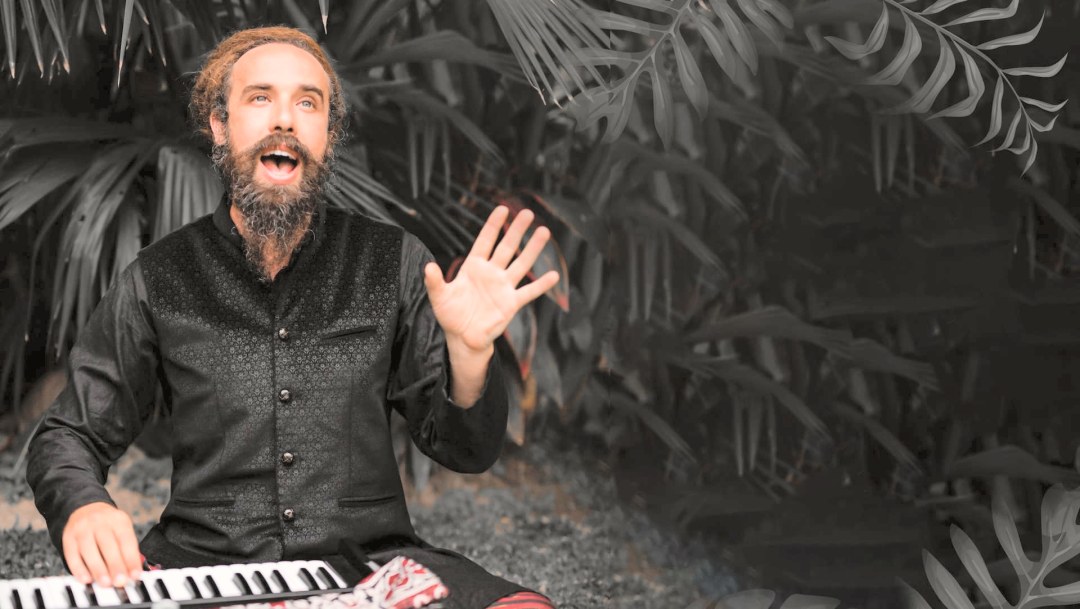
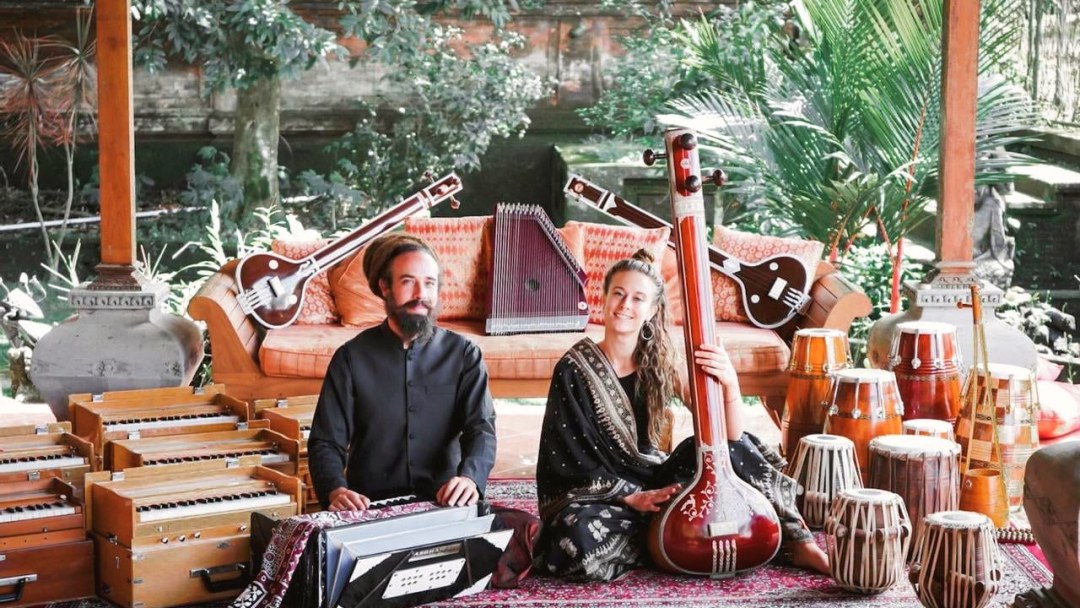
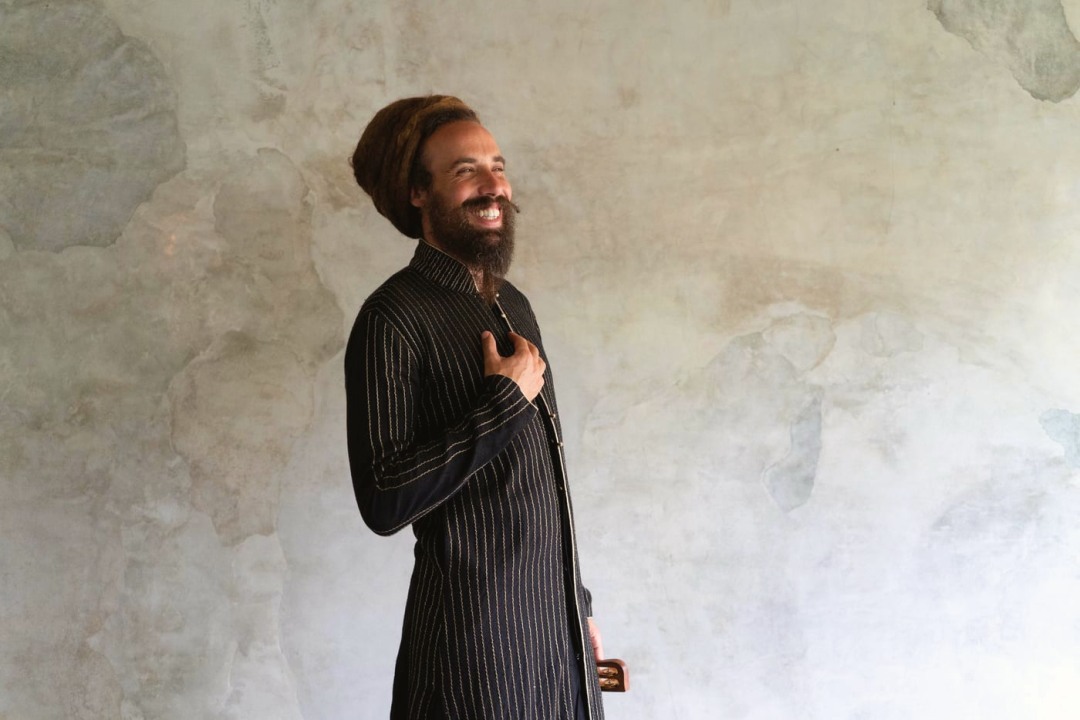
Tahir Qawwal is a musician and singer who has dedicated his life to the celebration of divine love through the sacred music of the Sufi masters. He left his birthplace in Canada at 16. His YouTube channel describes his work with Fanna-Fi-Allah, Ilahi Sufi Qawwali and Music of the Mystics, and says he has learned from the grand masters of Pakistan in order to bring qawwali music in its true form.
Tahir Qawwal is a musician and singer who has dedicated his life to the celebration of divine love through the sacred music of the Sufi masters. He left his birthplace in Canada at 16. His YouTube channel describes his work with Fanna-Fi-Allah, Ilahi Sufi Qawwali and Music of the Mystics, and says he has learned from the grand masters of Pakistan in order to bring qawwali music in its true form.
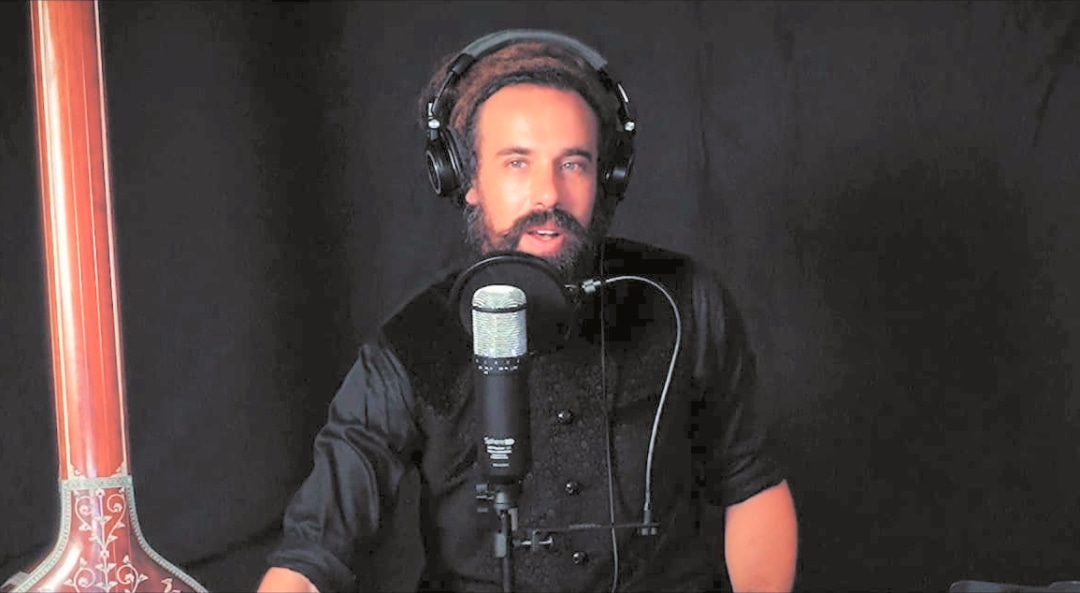
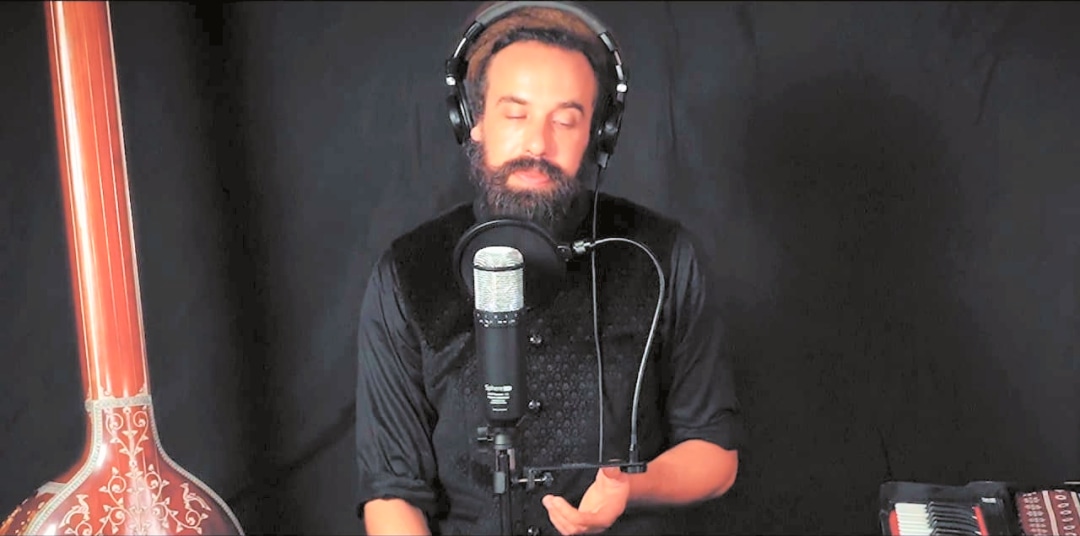
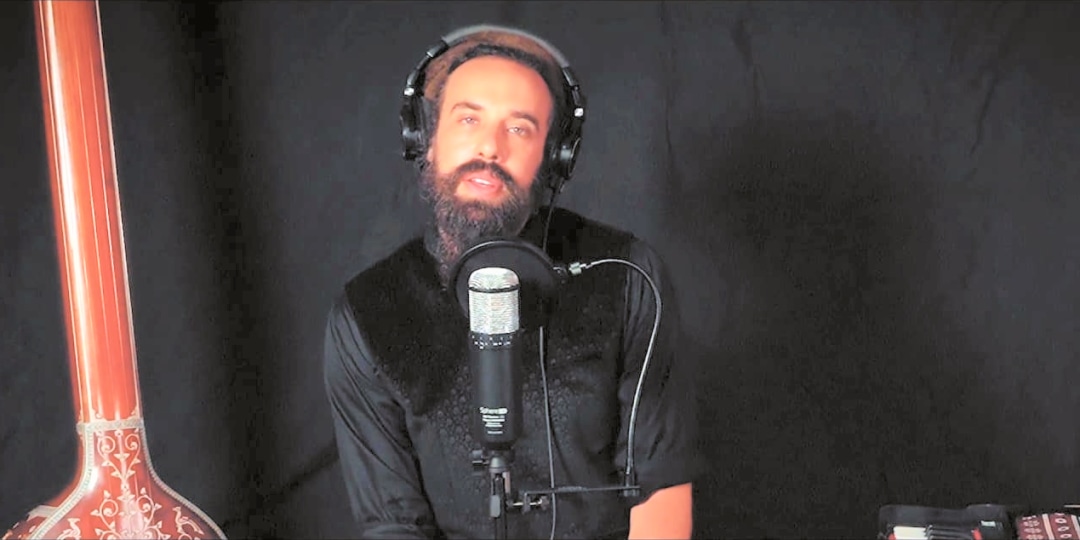
He teaches Sufi devotional music, Indian classical vocal and harmonium at Samā School of Music, an online academy he runs with Alexandra Amïe Lyons. His courses cover voice culture and breathwork, pitch and melodic patterns, raag and rhythm, and the composition and improvisation that grow from them. Students are guided through music as a practice for the heart and mind. He also gives private vocal and harmonium lessons, drawing on 24 years of studying the harmonium.
Each year he leads the Voice of the Beloved vocal artistry retreat. Its teachings follow the classical Gurukul and Sufi Khanqah style of learning together as a community, and past gatherings have brought together 40 people from 29 countries. His teaching style is described as engaging, playful and empowering, with a warm, loving, devoted approach and a wide experience of the music industry behind it.
Alongside teaching and performing, he works as manager and publisher for a roster of qawwali artists, with music publishing through Tabaruq Records.




Questions
Tahir Qawwal is a Sufi Qawwali artist and meditation teacher who has spent the last 25 years synthesizing classical devotional practice with contemporary sacred sound pedagogy. What distinguishes him is not mystique but documented institutional leadership: he founded and directs Fanna-Fi-Allah, the world-renowned Sufi Qawwali ensemble, produced the award-winning documentary film Music of the Mystics, and established the Sama School of Music as its headmaster. His trajectory—leaving home at fifteen to live as a dervish in the Himalayas, practicing yogic disciplines and pursuing enlightenment through pitch and acoustic purity—informs everything he teaches and performs today. Students and listeners care about his work because it refuses the false choice between rigorous mystical training and accessible instruction; Tahir Qawwal models both. His ensemble and school have become reference points for anyone serious about Sufi Qawwali outside the Indian subcontinent, precisely because he has preserved the lineage's devotional core while adapting its pedagogy for Western students.
Tahir Qawwal operates within the Sufi Qawwali tradition, the ecstatic devotional music practice rooted in Islamic mysticism and refined over centuries in the Indian subcontinent. His personal lineage is anchored in dervish practice—the ascetic, wandering dimension of Sufism—which he engaged directly during his formative years in the Himalayas as a teenager seeking enlightenment through rigorous yogic discipline and sacred sound. Qawwali itself is a devotional singing tradition that uses rhythm, repetition, call-and-response, and poetic text to induce states of altered consciousness and direct experience of the divine; it is not concert music, though it can be performed in concert settings. Tahir Qawwal's particular synthesis bridges classical South Asian Qawwali with yoga and contemplative practice, suggesting his lineage encompasses both Indo-Islamic mysticism and broader yogic philosophy. His founding of Fanna-Fi-Allah (whose name itself—'annihilation in the Absolute'—signals core Sufi doctrine) and the Sama School indicates he has become a lineage-holder and transmitter, not merely a practitioner, responsible for preserving and teaching these disciplines to new generations of students.
The most accessible entry point for newcomers is Tahir Qawwal's documentary film Music of the Mystics, which won awards and provides visual and narrative context for the Qawwali tradition, its historical roots, and its contemporary practice—all presented through Tahir Qawwal's own framework. This film bridges academic understanding and direct experience; it shows rather than merely describes what sacred sound practice looks like and why devotional singers pursue it. After that foundation, listeners should seek out recordings from Fanna-Fi-Allah, his ensemble, which will convey the actual sonic and energetic texture of his Qawwali work—the layered voices, the rhythmic intensity, the emotional arcs that define the tradition. For those interested in meditation and instruction rather than performance, exploring resources from the Sama School of Music (which Tahir Qawwal directs as headmaster) would provide structured learning in sacred sound, music meditation, and the yogic underpinnings of his approach. Newcomers should understand that Qawwali is not background music or relaxation soundscapes; it is an active devotional and mystical practice that demands listening attention and is designed to catalyze states of consciousness, so approach it with intention rather than casual consumption.
Tahir Qawwal's distinctiveness lies in his dual role as both a traditional Qawwali practitioner-performer and a systematic educator who has institutionalized the transmission of the lineage through formal schools and documented media. While many Qawwali artists operate primarily as performers, Tahir Qawwal has built infrastructure—the Sama School of Music, Fanna-Fi-Allah ensemble, and the documentary film Music of the Mystics—that treat Qawwali not as isolated repertoire but as an integrated spiritual technology linking mysticism, yoga, sacred sound, and enlightenment pursuit. His personal ascetic background (the formative years as a dervish in the Himalayas) lends him credibility within traditionalist circles, yet his cross-cultural pedagogical work suggests a commitment to making these teachings intelligible and transmissible to contemporary Western and global students without dilution. Most Qawwali ensembles remain regionally anchored or treat the form as cultural heritage; Tahir Qawwal positions Qawwali as a living mystical discipline with explanatory frameworks and teaching structures. This combination—respect for lineage purity plus serious commitment to translation and accessibility—is relatively rare among Qawwali artists and accounts for why Fanna-Fi-Allah has become world-renowned rather than regionally prominent.
Tahir Qawwal's work is not for listeners seeking secular or purely aesthetic consumption of world music. Qawwali, in his hands, is fundamentally a devotional and mystical practice aimed at inducing altered states and spiritual experience; it is not ambient, not background music, and not suited to passive listening or contextualization as exotic cultural artifact. Those attached to either strict Islamic orthodoxy (which historically viewed Qawwali with suspicion) or secular spirituality that rejects theistic language will find his devotional framing and Sufi cosmology challenging rather than resonant. Similarly, students seeking quick, easy meditation techniques or 'wellness' applications of sound will likely find Tahir Qawwal's approach too rigorous, tradition-bound, and demanding of genuine commitment; his lineage emerged from ascetic renunciation, not comfort-seeking. The Sama School and his teaching operate on the assumption that serious students will invest time, attention, and willingness to undergo real transformation, not attend a one-off workshop expecting instant insight. High-production, contemporary world-fusion music listeners may also be disappointed; Tahir Qawwal's aesthetic privileges the purity of voice and classical arrangement over contemporary production values or genre-blending. In short, his work is for those ready to engage Qawwali and sacred sound as a discipline—not as entertainment, commodity, or decorative spirituality.
Tahir Qawwal's teaching emerges from and reflects his formative experience as a dervish—solitary, rigorous, steeped in the direct pursuit of enlightenment through yogic practice and acoustic discipline. As headmaster of the Sama School of Music, he structures learning around sacred sound as a legitimate path, not as mere cultural transmission or musical skill-building; students are initiated into the theory and practice of how pitch, rhythm, breath, and vocal resonance function as instruments of consciousness. His approach integrates yoga and mystical philosophy directly into music instruction, rejecting the Western partition between 'music' and 'spirituality' or between technique and devotion. Teaching from this lineage means students encounter both rigorous musicological knowledge (the classical forms and structures of Qawwali) and contemplative practice (the meditative and consciousness-altering dimensions that justify the form's existence). What distinguishes Tahir Qawwal's pedagogy is that it treats sacred sound not as metaphorical or symbolic but as an actual technology—one that, practiced with intention and under proper guidance, can facilitate genuine mystical experience and the enlightenment-seeking that motivated his own teenage journey to the Himalayas. Engagement with his teaching assumes students are willing to work with both the intellectual and the devotional dimensions simultaneously.
The central theme across Tahir Qawwal's practice is the pursuit of enlightenment through the purity of sound and pitch—a conviction anchored in his own dervish asceticism and in classical Sufi mysticism. His work consistently emphasizes that sacred sound is not ornamental but functional; it is a direct method for accessing states of consciousness, dissolving ego boundaries, and experiencing union with the divine (reflected in the name 'Fanna-Fi-Allah,' annihilation in the Absolute). A second recurring thread is the integration of yogic discipline with Qawwali and Sufi practice, suggesting his philosophy sees these traditions not as separate but as complementary paths toward the same mystical goal. The theme of lineage preservation and authentic transmission appears throughout his work—the documentary Music of the Mystics, the Sama School, the ensemble Fanna-Fi-Allah all function as vessels for passing on teachings that might otherwise dilute or disappear in contemporary contexts. Finally, Tahir Qawwal emphasizes mysticism itself—the direct, experiential knowledge of the divine—as the ultimate aim, not cultural tourism, musical display, or spiritual shopping. All his institutional work (teaching, film, ensemble) serves this single purpose: creating conditions and structures through which students and listeners can encounter the same transformative power of sacred sound that drew him to the Himalayas as a teenager.
While current tour dates are not available in our database, Tahir Qawwal performs internationally as the leader of Fanna-Fi-Allah, his world-renowned Sufi Qawwali ensemble, and these performances typically occur in concert halls, festival settings, and spiritual retreat venues across multiple continents. The most reliable way to track his live appearances is through the official Tahir Qawwal website at https://bio.site/tahirqawwal, where tour announcements, retreat schedules, and event information are posted. Fanna-Fi-Allah's international reputation suggests regular appearances at major world music festivals, concert series focused on sacred and devotional music, and specialized spiritual venues, though specific upcoming dates would need to be verified directly. Beyond performance venues, Tahir Qawwal leads teaching and retreat programs through the Sama School of Music, which operates as his primary pedagogical institution; these would be the primary contexts for extended study, initiation into his teaching methods, and direct engagement with sacred sound practice under his guidance. For those seeking live experience of his work, attending Fanna-Fi-Allah performances offers the ensemble context and the full devotional power of Qawwali, while Sama School retreats and workshops provide direct instruction in meditation, yoga, and sacred sound discipline.
Tahir Qawwal's credibility rests substantially on the institutional infrastructure he has built and the documented recognition his work has received within the field. His documentary film Music of the Mystics has won awards, establishing his work as noteworthy not only to practitioners but to documentary filmmakers, festival curators, and cultural organizations. Fanna-Fi-Allah's status as 'world-renowned' (as documented in his biography) indicates significant international recognition, touring prominence, and respect from major concert venues and world music festivals globally. His appointment as headmaster of the Sama School of Music represents professional recognition of his authority within the lineage—this is not a self-appointed title but an institutional role conferring responsibility for training new generations of sacred sound practitioners. While comprehensive press coverage is not detailed in available sources, the convergence of these factors—the award-winning documentary, the ensemble's international reputation, and the school's existence—establishes Tahir Qawwal as a significant figure in contemporary Sufi Qawwali practice, not as a marginal or purely local teacher. Anyone serious about Qawwali and sacred sound will encounter his name and work as foundational references, which speaks to recognition and standing within the tradition.
Qawwali, in the form Tahir Qawwal teaches and performs, is fundamentally a devotional technology designed to induce experiences of union with the divine and to facilitate mystical enlightenment—not a concert genre or musical commodity. The practice involves layered voices, rhythmic driving, poetic lyrics in Urdu, Persian, and Arabic, and the deliberate manipulation of pitch and resonance to alter consciousness; it is a rigorous spiritual discipline as much as a musical performance. What distinguishes Tahir Qawwal's approach is his insistence on linking Qawwali to yoga and ascetic practice, suggesting that vocal and acoustic discipline, combined with breath control and meditative focus, directly activate subtle energy centers and consciousness shifts. The ultimate aim is 'fanna'—annihilation of ego-self in the Absolute—which is why his ensemble is named Fanna-Fi-Allah. Newcomers often mistake Qawwali for relaxation music or cultural entertainment; in Tahir Qawwal's hands, it is neither. It is an active, intentional mystical practice requiring participation (whether as performer or conscious listener) and willingness to be transformed by sound and rhythm. The Sama School of Music exists to teach this distinction clearly: Qawwali is not something you passively enjoy, but something you engage with the whole being, as a path toward enlightenment and direct mystical experience.




ご本人ですか? このページを登録 ›
There's more where this came from.
BrightStar is the global directory of artists, teachers, and healers in the wellness and spiritual movement. Find your next experience — or add yourself.
Discover More Artists
Browse 14,000+ curated profiles across kirtan, yoga, meditation, and beyond.
Explore directory →Find an Event Near You
Kirtan, retreats, sound baths, breathwork, ceremonies — happening this week.
Browse events →Add Your Profile
Are you an artist, teacher, or healer? Get listed — free, AI-assisted, live in minutes.
Get started →