Coming Up
Coming Up

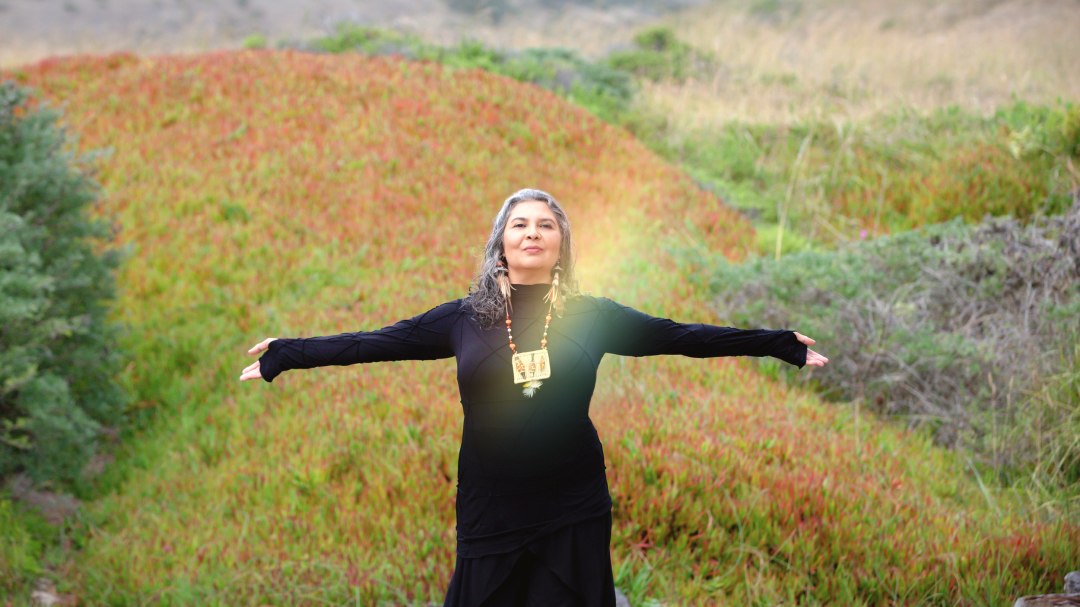
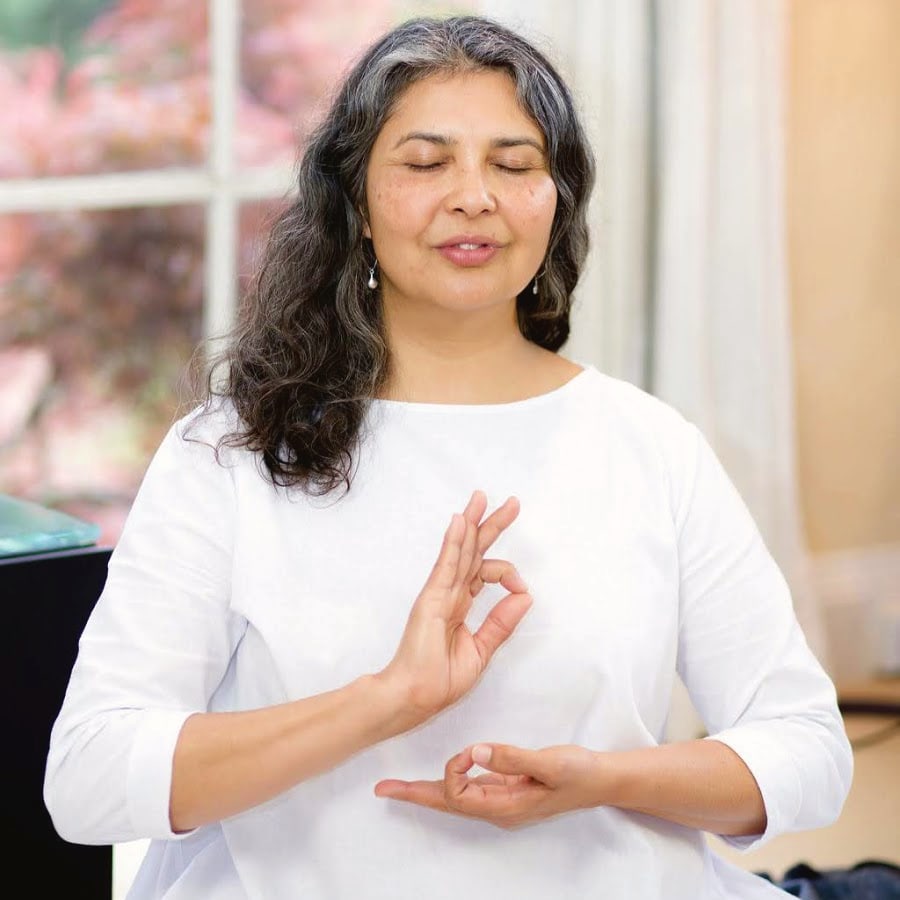
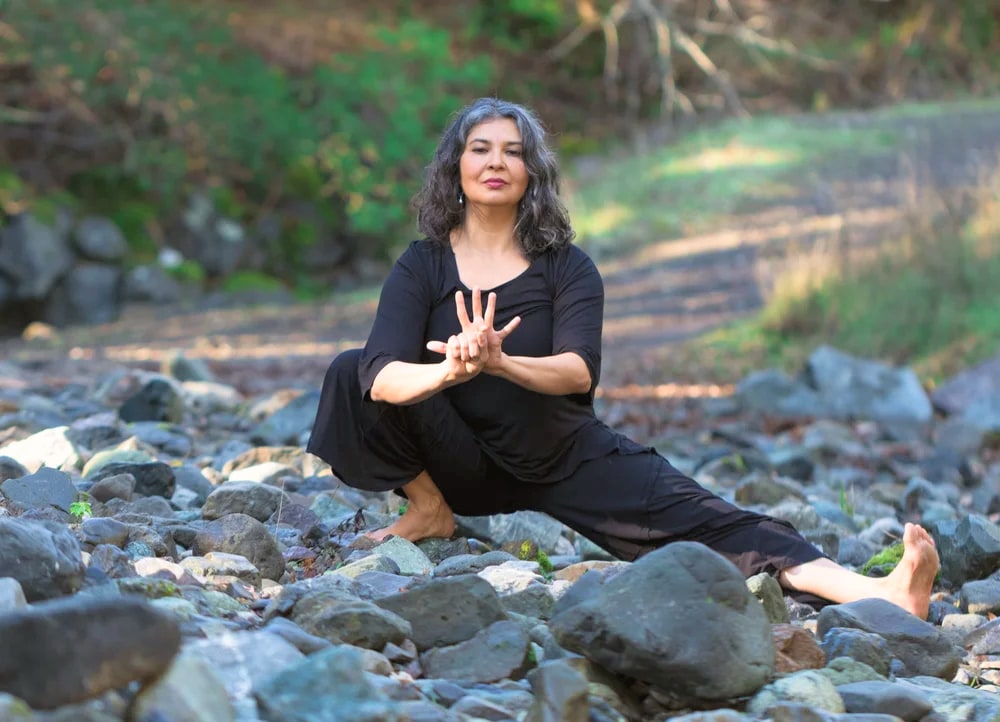
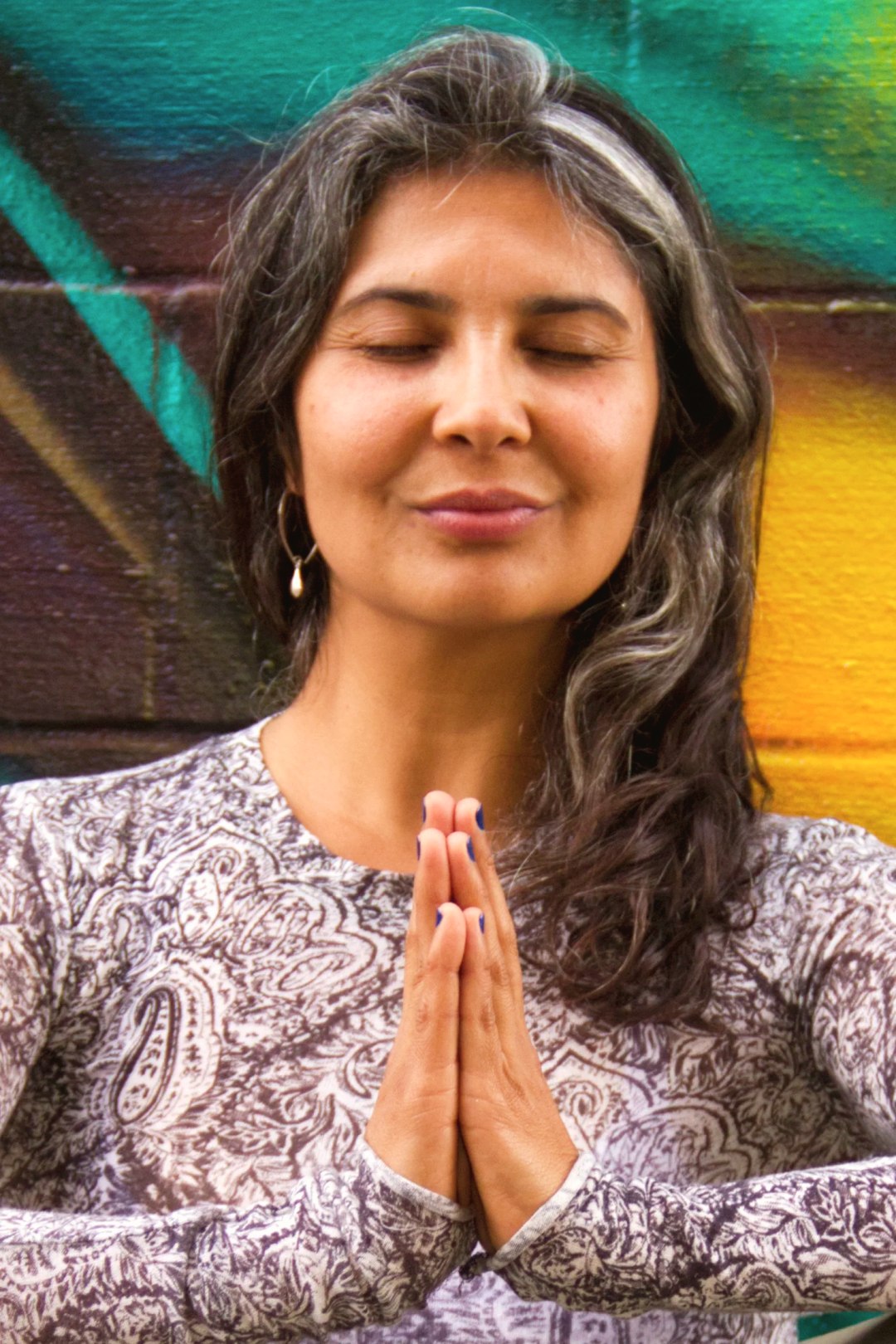
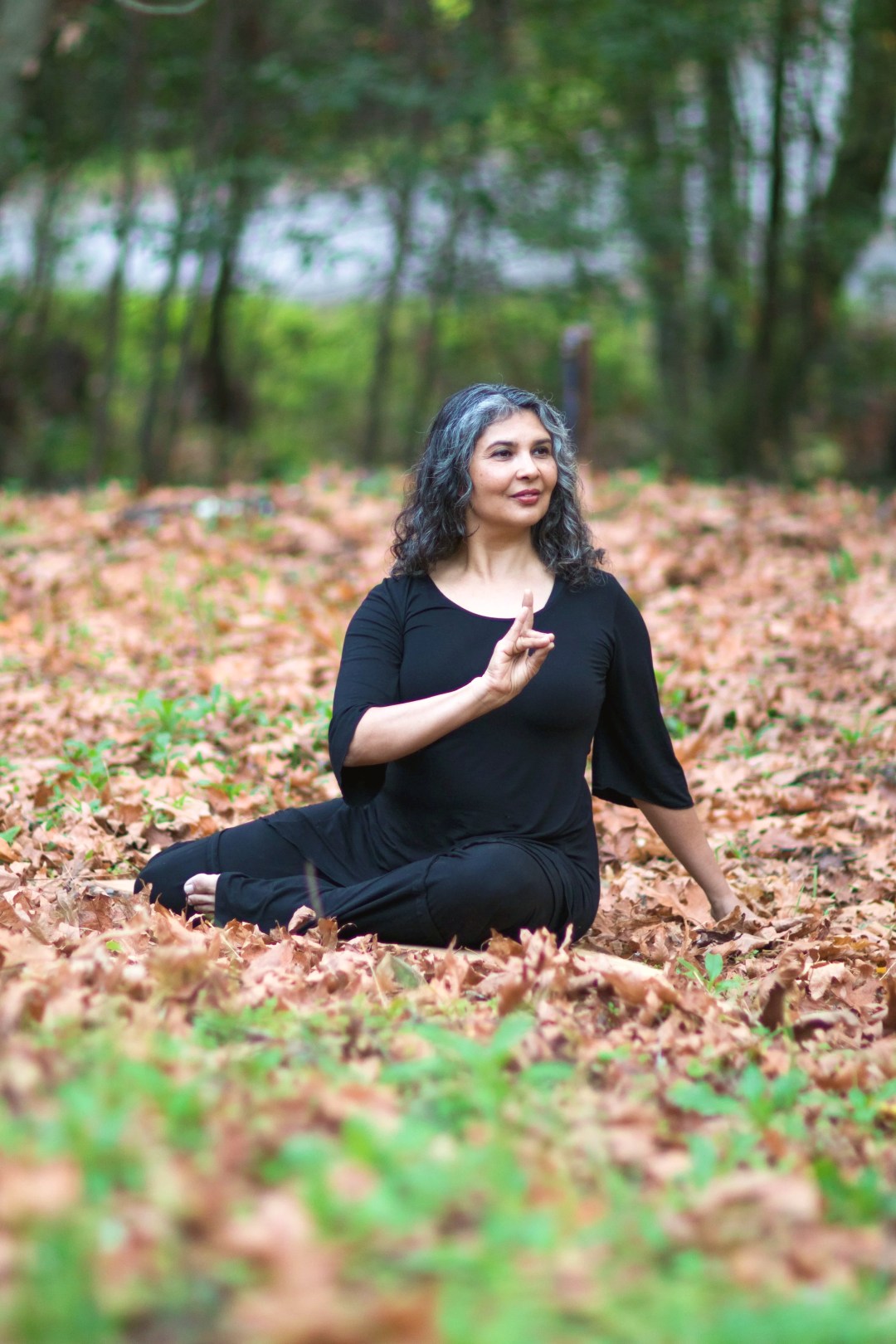
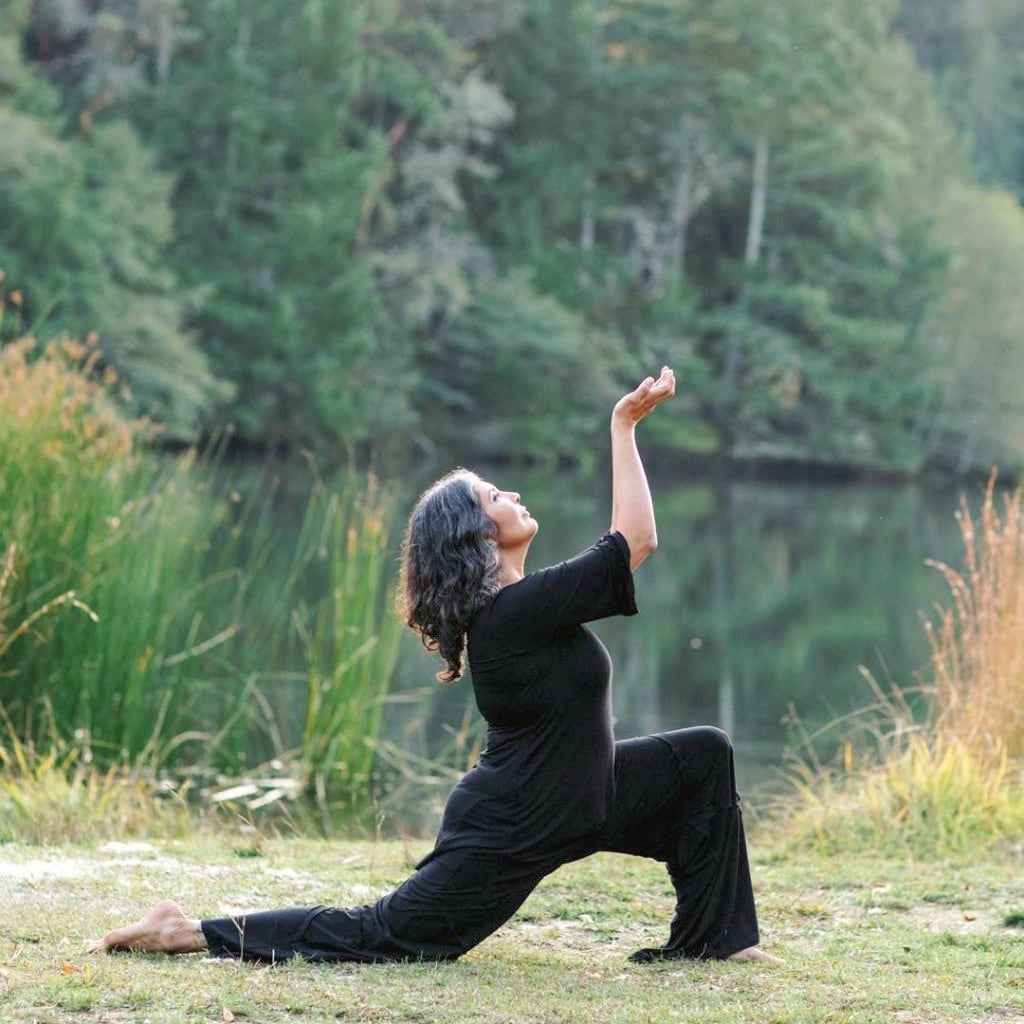
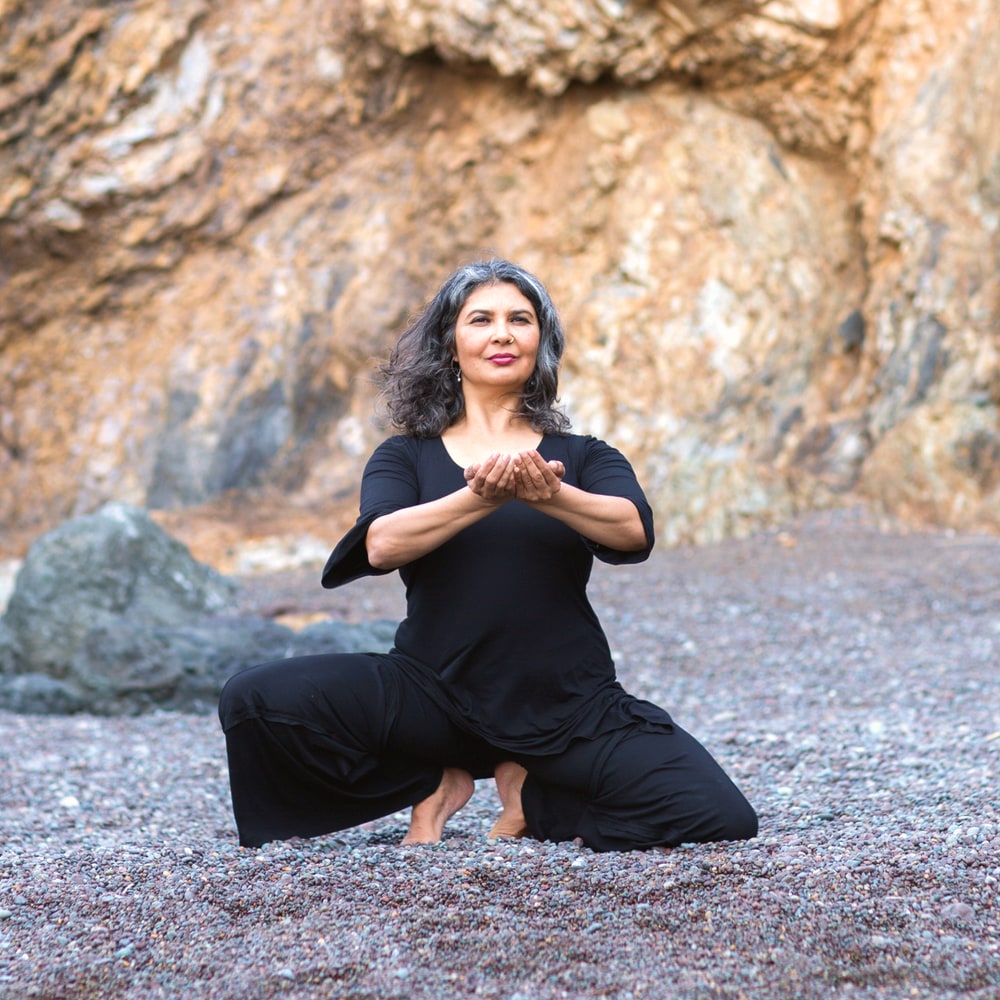
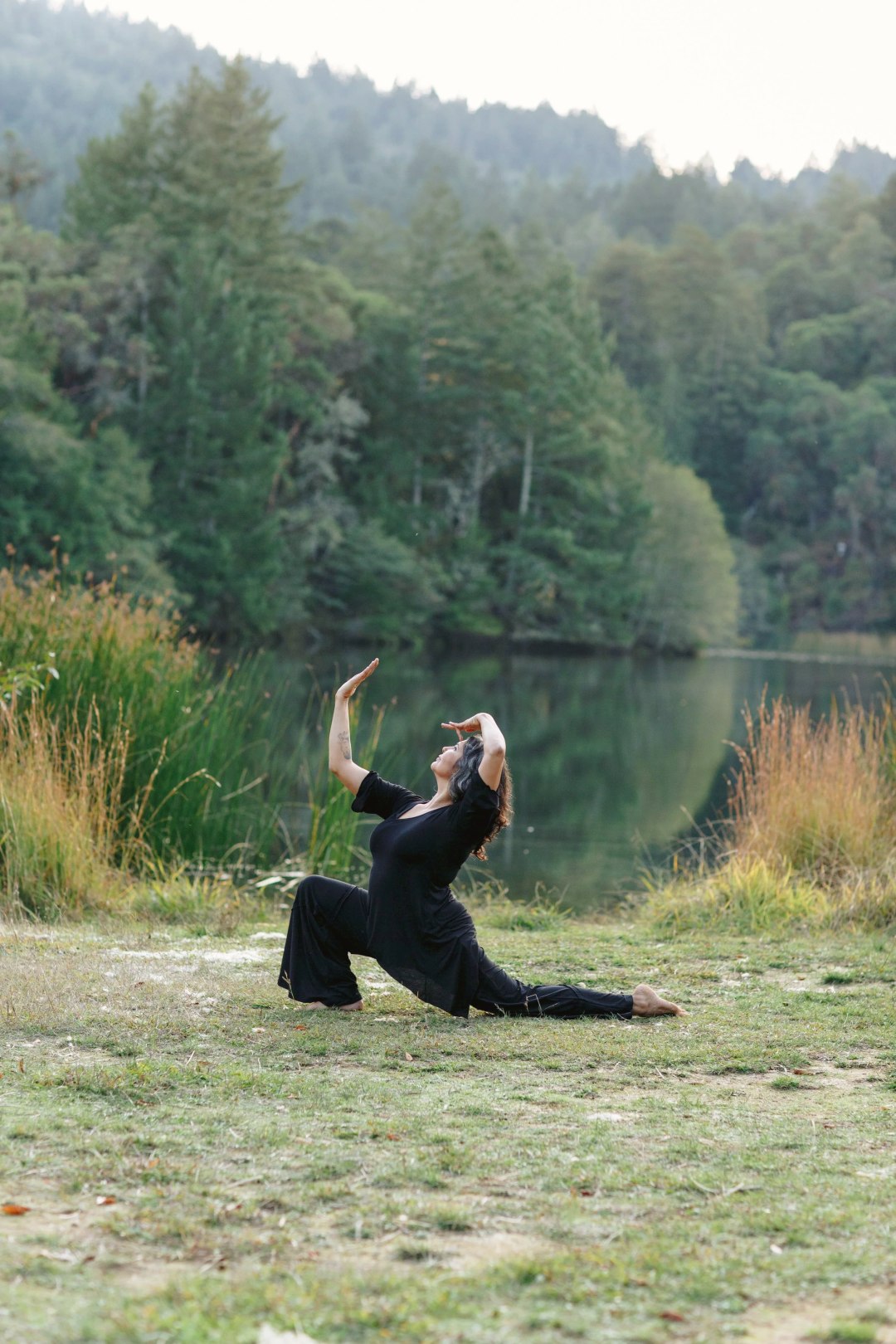
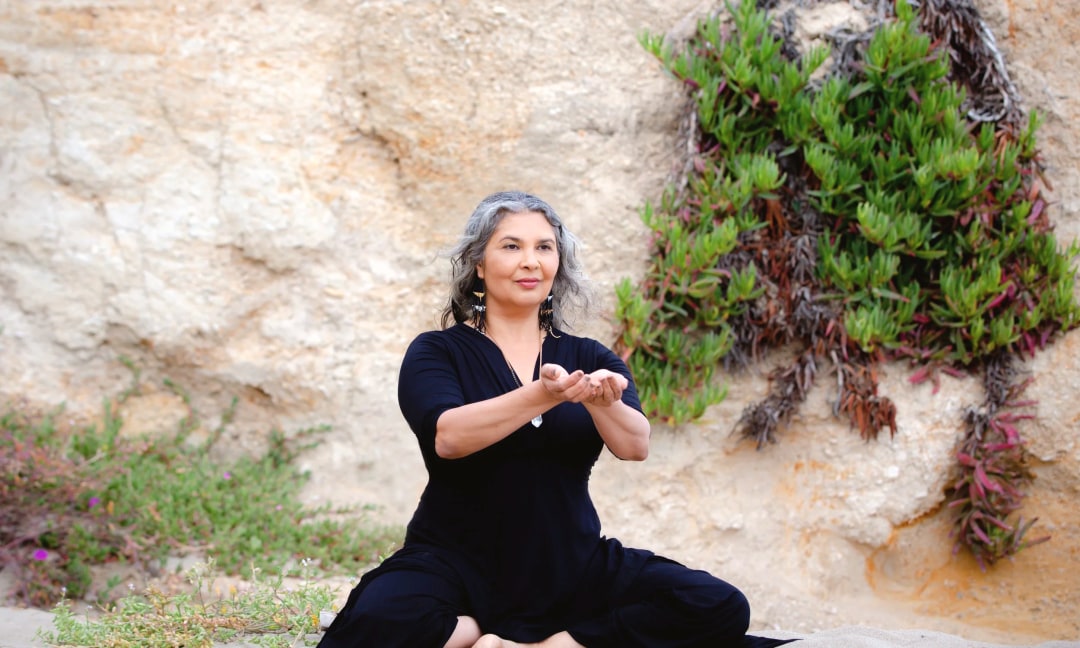
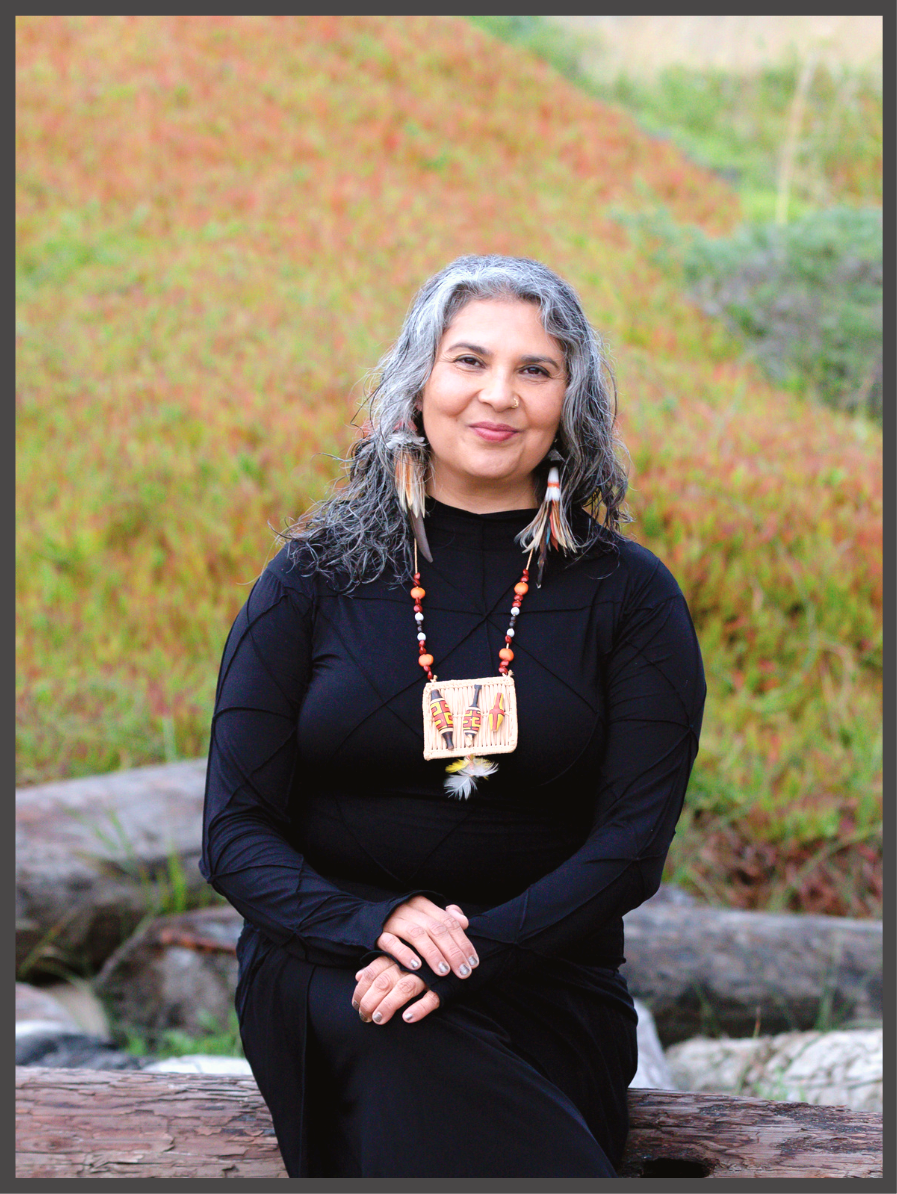

Yoginī · dancer · teacher · and author
Nubia Teixeira is a yoginī, dancer, and author who has spent more than 35 years teaching Bhakti yoga and Hatha practices through the lens of the Divine Feminine. She founded Mother Goddess Yoga and the Bhakti Nova School of Yoga & Dance, organizations built around making classical Indian yogic and devotional traditions accessible through embodied, feminine-centered pedagogy.
Nubia Teixeira is a yoginī, dancer, and author who has spent more than 35 years teaching Bhakti yoga and Hatha practices through the lens of the Divine Feminine. She founded Mother Goddess Yoga and the Bhakti Nova School of Yoga & Dance, organizations built around making classical Indian yogic and devotional traditions accessible through embodied, feminine-centered pedagogy.
Her teaching draws from two interwoven lineages: Bhakti yoga, the devotional strand of Indian spiritual practice, and Odissi, one of the eight classical dance forms of India originating in the temples of Odisha. Where many Western yoga teachers foreground asana and alignment, Teixeira structures her classes around mudras, pranayama, and mantra, layering movement vocabularies from Odissi into sequences that honor the goddess traditions within Hinduism. She teaches that the body itself is a site of devotion.
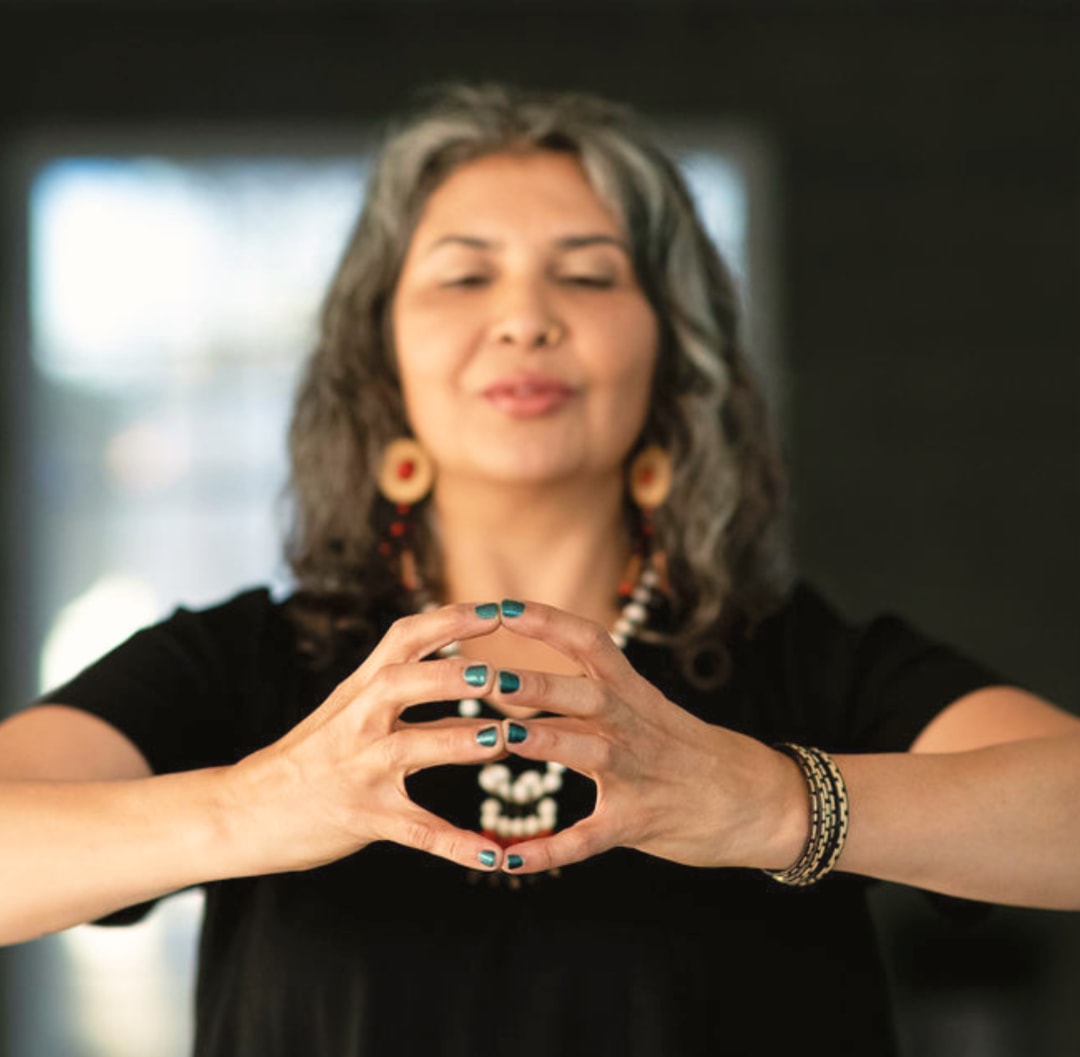
Teixeira is the author of Yoga and the Art of Mudras, published by Mandala Publishing. The book synthesizes Bhakti devotion, Odissi dance, and Hatha Yoga practice, offering a manual on the symbolic hand gestures used in both yogic ritual and classical Indian performance. It positions mudras not as decorative flourishes but as technologies for channeling prana and invoking specific qualities of consciousness.
She began practicing and teaching yoga at 18, an unusually early start that has allowed her to build a decades-long body of work outside the circuits of celebrity teacher training franchises. From the outset, her focus has been on recovering the voices and narratives of female deities and practitioners within yoga, a tradition whose texts and modern global presentation have been dominated by male gurus and male-centered cosmologies.
Teixeira offers weekly Mother Goddess Yoga classes, one-on-one mentoring, and retreats. She has also released pranayama recordings and mantra songs, formats designed to support home practice for students who may not have access to live instruction. Her teaching is structured to welcome practitioners at all levels, from those new to yoga to advanced students seeking deeper study of devotional and dance-informed practice.
Her current work continues through the Bhakti Nova School of Yoga & Dance, where she trains teachers and leads immersions that combine asana, chant, movement, and mythology. She remains active as both a solo teacher and a voice within the broader conversation about how yoga is transmitted, adapted, and preserved outside India.
For someone encountering her work today, Teixeira offers a model of yoga practice rooted in devotion, gesture, breath, and the reclamation of feminine spiritual authority within one of the world's oldest continuous traditions.
Nubia Teixeira is a yoginī, dancer, teacher, and author with over 35 years of teaching experience who has built a sustained practice around centering the Divine Feminine within yoga's ancient lineages. She founded Mother Goddess Yoga and the Bhakti Nova School of Yoga & Dance—institutional commitments that signal her work isn't incidental but foundational to how she moves through the world. What draws practitioners to her is a refusal to treat yoga as a dehistoricized fitness modality; instead, she weaves Bhakti devotion, the classical Indian dance form Odissi, and Hatha practice into a coherent vision of embodied spirituality. Her book Yoga and the Art of Mudras, published by Mandala Publishing, brought that vision into print, making her one of the few contemporary teachers articulating how gesture, breath, and devotion form a single practice. People follow her because she offers both depth—rooted in traditional lineage—and accessibility, teaching to students of all levels while maintaining the philosophical weight the tradition demands.
Nubia Teixeira's teaching sits squarely within the Bhakti yoga tradition—the path of devotion that emphasizes love, surrender, and the heart's relationship to the Divine. Rather than treat Bhakti as one strand among many in yoga, she has made it the organizing principle of her schools and practice, integrating it with pranayama (breath work), mudras (sacred hand gestures), and mantra recitation. Her fusion with Odissi dance, the classical Indian form rooted in devotional temple contexts, is not coincidental but essential to her lineage work; Odissi itself emerges from a Bhakti cosmology, historically performed by temple dancers who embodied the Divine Feminine. By centering the feminine voice within this tradition—rather than treating yoga history as predominantly male or masculine-coded—she has reframed which lineages receive attention and how practitioners understand their inheritance. Her 35+ years of teaching experience have been dedicated to excavating these devotional and embodied dimensions of yoga that institutional yoga spaces often overlook.
The most direct entry point is her published book, Yoga and the Art of Mudras (Mandala Publishing), which introduces newcomers to her philosophy without requiring prior yoga experience. Mudras—the hand gestures that activate specific energetic channels—become the vehicle through which she weaves Bhakti devotion, pranayama, and Odissi movement into one coherent system; a reader learns not just *what* mudras are but *why* they matter spiritually and somatically. For those who learn better through embodied practice than reading, her weekly Mother Goddess Yoga classes offer accessible entry points, and her YouTube channel (NubiaTeixeiraDevotionalYoga) features recordings that let newcomers experience her teaching voice and rhythm without commitment. Her pranayama recordings and mantra songs are also low-friction introductions—they require only a few minutes and a willingness to sit with breath or chant. What distinguishes her teaching is that she doesn't separate theory from practice; even a first encounter with her work will surface how devotion, breath, and movement inform each other.
Where many contemporary yoga teachers treat the feminine as a metaphor or add-on, Nubia Teixeira has made the uncovering of the Divine Feminine voice *the core narrative of yoga itself*—a historical and philosophical repositioning, not a branding choice. Her integration of Odissi dance into Hatha yoga and Bhakti practice is uncommon; most yoga teachers either ignore classical Indian dance or compartmentalize it as a separate art form, whereas she demonstrates their shared devotional architecture. Her longevity—35+ years of continuous teaching—has allowed her to build institutional structures (Mother Goddess Yoga, Bhakti Nova School) rather than remain a solo practitioner, suggesting a vision large enough to mentor others and establish lineage. Her approach to mudras specifically distinguishes her; by making hand gestures central rather than peripheral to yoga practice, she offers somatic access to energy and intention that many teachers treat as optional. The combination of scholarly depth (her published book with Mandala Publishing), embodied rigor (decades of Odissi training), and accessibility-focused teaching creates a rare profile in a field often divided between academic traditionalists and commercial yoga studios.
Nubia Teixeira's work is not for practitioners seeking a purely physical or fitness-focused yoga experience; her teaching privileges devotion, breath, and the feminine sacred as central rather than decorative, which means her classes and retreats move at a different tempo and intention than power yoga or vinyasa flow studios. Someone drawn to yoga primarily for flexibility gains or stress-relief (though those may happen secondarily) will find her emphasis on mantra, mudra, and Bhakti philosophy either central or beside the point depending on their openness. Her teaching assumes a level of comfort with spiritual language, the Divine Feminine, and Hindu devotional lineages; practitioners hostile to religious or sacred framings will experience her work as too explicit in its spiritual commitments. The Odissi dance element, while integrated into her yoga teaching, is not trained intensively within her classes—those seeking rigorous classical Indian dance training should study with a dedicated Odissi guru rather than expect her yoga classes to substitute. Finally, her work requires sustained, repeated engagement to unfold; someone seeking a quick one-off workshop or certification will miss the depth that emerges from ongoing mentoring and practice within her schools.
Nubia Teixeira's teaching style privileges embodied, sensory knowledge over intellectual explanation—students learn by *doing* pranayama, tracing mudras, and chanting mantra in her presence rather than being lectured about yoga philosophy. Her classes and retreats are structured to make practices accessible to all levels while maintaining depth; a newcomer can follow the physical form, while an experienced practitioner engages the subtle energy and devotional intention simultaneously. What distinguishes her is the seamless weaving of Bhakti devotion throughout: students aren't learning mudras in isolation but encountering them as sacred gestures linked to Divine Feminine awakening, prayer, and lineage transmission. Her mentoring sessions appear to honor individual needs and questions, moving beyond generic group instruction to offer personalized guidance. The pace of her teaching tends toward contemplation and presence rather than high-velocity flows or intense physical demand; what may feel slow or repetitive to some practitioners becomes the actual container for transformation for others. Her retreats, while details are sparse, appear designed around the principle that sacred practice unfolds over time, in community, with a qualified guide—not as consumable content but as initiatory experience.
The Divine Feminine as a central, not peripheral, dimension of yoga practice and philosophy recurs throughout her teaching; she consistently asks practitioners to recognize, honor, and embody the sacred feminine within themselves and within the yoga tradition. The integration of Bhakti (devotional practice) as the animating principle of yoga appears across her classes, retreats, and written work—she frames yoga not as self-improvement but as love-in-action, a path of returning to the Divine through the heart. Mudras and pranayama emerge repeatedly as somatic technologies for this devotional work; rather than treating them as techniques to master, she presents them as ways of speaking to and with the sacred, using the body as the vocabulary. The accessibility of ancient tradition—making yoga relevant for modern practitioners without diluting its philosophical and energetic depth—threads through her pedagogy across all formats. Her teaching also consistently emphasizes lineage and transmission; she positions herself as inheritor of a tradition she is duty-bound to pass forward, which shapes how she structures schools and mentoring relationships rather than working as a solo teacher. The principle that practice is embodied, not merely intellectual, recurs; knowledge of yoga arrives through sustained sensory engagement with breath, gesture, and chant.
Yes. Her primary published work is Yoga and the Art of Mudras (Mandala Publishing), which serves both as an instructional text and a philosophical meditation on how gesture, breath, and devotion interconnect within yoga practice. Beyond the book, her YouTube channel (NubiaTeixeiraDevotionalYoga) hosts recorded material including pranayama recordings and mantra songs designed for independent practice—these are not lectures but guided practices students can return to repeatedly. Her website (nubiateixeira.com/links) appears to be a hub for accessing her various offerings, though the extent of recorded talks or lectures available isn't fully clear from the data provided. What's notable is that her teaching doesn't seem to be primarily delivered as downloadable courses or digital libraries in the contemporary online yoga model; instead, ongoing classes, mentoring sessions, and in-person or retreat gatherings appear central to how she transmits her work. For someone seeking to study with her asynchronously or at distance, the book and mantra/pranayama recordings offer genuine entry, though the depth of her teaching emerges more fully within real-time, embodied practice with her.
No formal yoga background is required; she explicitly teaches at all levels and frames her offerings as accessible to practitioners of all levels and ages. However, comfort with devotional and spiritual language—references to the Divine, the sacred feminine, mantra, and lineage transmission—helps. Someone approaching yoga purely as physical exercise may find her emphasis on Bhakti philosophy and mudra work unfamiliar until they adjust their expectations; that's not a barrier but a reorientation. Familiarity with Hindu or Tantric frameworks helps, but she doesn't assume it; her book and teaching appear designed to introduce these concepts while honoring their depth. Prior knowledge of Odissi dance is unnecessary; her integration of Odissi into yoga is introduced for yoga practitioners, not dancers, and the movement is adapted for accessibility. What *does* help is openness to repeated practice and a willingness to engage spiritually with yoga rather than transactionally; her work unfolds over weeks and months of sustained engagement, not in single sessions. A beginner willing to show up with reverence and curiosity will find her teaching welcoming and intelligible; a practitioner seeking only quick certification or Instagram-friendly aesthetics may feel misaligned with her actual vision.
Based on currently available information, specific upcoming tour dates or retreat locations are not listed, though her website (nubiateixeira.com/links) is the authoritative source for scheduling. Her ongoing weekly Mother Goddess Yoga classes appear to be a consistent anchor of her practice, though the physical or virtual location of these classes isn't specified in publicly available data. For the most current information about retreats, workshops, and special events, contacting her directly through her website or YouTube channel (NubiaTeixeiraDevotionalYoga) is the most reliable approach. Her Spotify presence (277 followers, though low streaming numbers) suggests her work circulates more through direct teaching relationships and word-of-mouth recommendation than through digital platforms. Those serious about studying with her should anticipate that access may require deeper engagement—mentoring sessions, seasonal retreats, or ongoing class participation—rather than one-off workshops in major cities. The model she has built around Mother Goddess Yoga and Bhakti Nova School suggests that her teaching is rooted in relationship and community rather than a hit-and-run touring schedule.
ご本人ですか? このページを登録 ›
BrightStar is the global directory of artists, teachers, and healers in the wellness and spiritual movement. Find your next experience — or add yourself.
Browse 14,000+ curated profiles across kirtan, yoga, meditation, and beyond.
Explore directory →Kirtan, retreats, sound baths, breathwork, ceremonies — happening this week.
Browse events →Are you an artist, teacher, or healer? Get listed — free, AI-assisted, live in minutes.
Get started →


