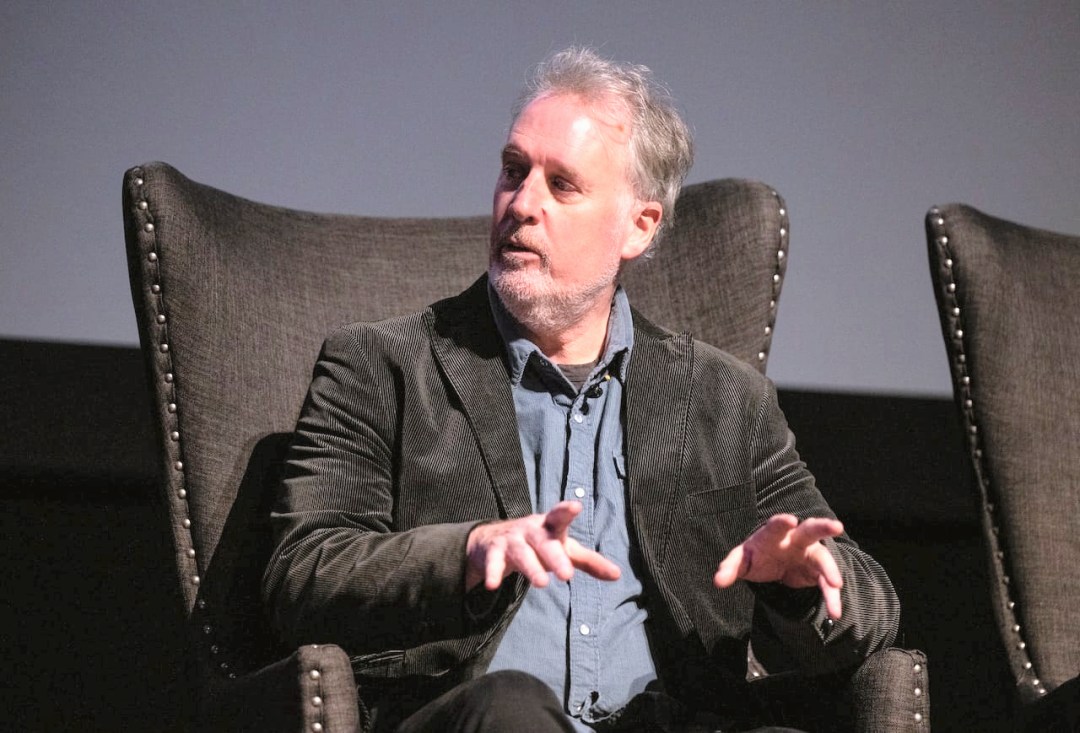
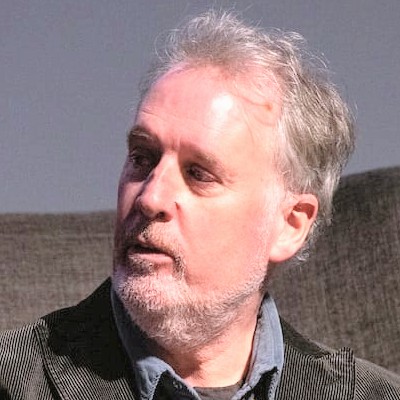
Mark Gustavson
Composer · Long Island
紹介
Mark Gustavson is an American composer. His music is presented alongside a body of compositions, and his work includes audio-visual collaboration, with films that accompany the music.
Mark Gustavson is an American composer. His music is presented alongside a body of compositions, and his work includes audio-visual collaboration, with films that accompany the music.
In the description of his YouTube channel, he asks what his music is and answers plainly: he wants to compose music as wonderful as the first works of music he ever heard, and to create what he calls the "musical experience." He writes there that he cannot duplicate his previous work, and that part of creating the effect is making something unexpected happen.
He describes the method as using sounds a listener thinks they understand to reach a result they know they don't understand. "The sum of the materials does not predict the result," he says in the same channel description. He also writes that he wants to compose music that puts him in a position of innocence and recreates that feeling. In his words: "Simply, I compose music I want to listen to."
よくある質問
Questions
Mark Gustavson is an American composer and classically trained musician who has spent decades pursuing what he calls the "musical experience" — that particular feeling of encountering music with complete openness and innocence. Based in eastern Long Island, he creates contemplative compositions that blend classical training with sounds drawn from around the world, working in a space where meditation, contemporary classical music, and world music traditions naturally intersect. What distinguishes Gustavson in the broader field of contemplative composers is his articulated philosophy: he deliberately constructs music where "the sum of the materials does not predict the result," using familiar sounds to lead listeners toward something genuinely unfamiliar. His commitment to not repeating himself means that listeners should expect continual evolution and occasional compositional risk-taking in his work. People drawn to his work tend to be those seeking depth without predictability, and those interested in how classical composition can deepen meditation practice.
Gustavson's work sits at the intersection of Western classical composition and contemplative sound practice, a lineage that includes 20th-century figures like John Cage and contemporary minimalist composers who used constraint and repetition to deepen listening. However, his engagement with sounds from around the world places him equally in the tradition of world music composers who resist cultural compartmentalization, seeking to find unified musical language across traditions. His specific focus on the meditation context connects him to the broader contemplative music movement that has grown within secular mindfulness practice, particularly through platforms like Insight Timer where he shares his work for meditation. Unlike devotional music tied to specific religious lineages, Gustavson's lineage is secular, experimental, and rooted in listening itself as a spiritual practice. His work acknowledges that "musical experience" need not be tied to a single tradition but emerges from attention and compositional craft.
The most accessible entry point for newcomers is Gustavson's presence on Insight Timer, where he offers contemplative music specifically curated for meditation practice. This platform allows listeners to experience his work in its intended context — as support for sitting practice — rather than as background music. His YouTube channel provides direct access to his thinking about composition and the philosophy behind his work; viewers can hear him explain his creative process and listen to recordings, which contextualizes what they're hearing. For those interested in understanding his compositional approach philosophically before diving into listening, his own written reflections on his website (markgustavson.com) lay out his concerns about recreating that "feeling of innocence" and his deliberately non-predictive approach to composition. Starting with shorter listening sessions through Insight Timer, then exploring YouTube for both music and artist commentary, creates a natural learning curve that respects both his music and his artistic philosophy.
Where many contemplative composers aim for soothing continuity or lush harmonic development, Gustavson's work is grounded in a specific compositional principle: creating discontinuity in expectation while maintaining coherence in listening. He is not interested in what he calls "repeating" earlier work, which means his practice involves a constant search for the unexpected. His use of world sounds — an element he has studied seriously — avoids cultural tourism; instead, these sounds become material in a unified musical language that questions whether such categories matter. Most contemplative musicians working today either specialize in traditions (Tibetan singing bowls, Indian classical music adapted for meditation) or in minimal ambient soundscaping; Gustavson's work does neither — it demands active, trained listening while maintaining the spaciousness necessary for meditation. This combination of rigor and accessibility, and his refusal to settle into a signature "sound," makes him a challenging artist in a field often defined by recognizable signatures and predictable emotional arcs.
Listeners seeking comfort or consistent tonal beauty will likely find Gustavson's work unsettling rather than nourishing — his deliberate unpredictability challenges the expectation that contemplative music should be immediately soothing. Those drawn to devotional or traditional religious music in meditation contexts (Gregorian chant, Buddhist chanting, Vedic mantras) may experience his secular, experimental approach as spiritually vague, since it doesn't carry the cultural or metaphysical anchoring those traditions provide. High-intensity practitioners seeking purely functional "background" meditation support may also find his work demands more attention than serves their practice. Similarly, listeners who value signature artist identity — a distinct "sound" they can recognize and return to for consistency — will be frustrated by Gustavson's philosophical commitment to not repeating himself. The work also requires a certain comfort with compositional opacity; listeners preferring emotional directness or clear narrative arc in music will likely experience Gustavson's approach as cold or withholding. His work is for active listeners, not passive consumption.
Given Gustavson's independent status and focus on composition over touring, the primary ways to follow his work are through his official channels rather than a traditional venue or tour schedule. His website at markgustavson.com is the authoritative source for new work and any public appearances or releases. His YouTube channel hosts regularly updated compositions, commentary on his work, and behind-the-scenes glimpses into his compositional thinking. Insight Timer, where his contemplative recordings are available, occasionally updates with new meditation tracks. For those with Spotify access, his artist profile there will notify followers of any streaming releases, though this platform is not currently his primary distribution channel. Email subscription through his website is likely the most direct way to receive announcements about new work, retreats, or teaching opportunities, should he develop them. Given his Long Island-based practice, followers interested in studying with him directly or attending local events should check his website for current availability.
Gustavson's work is difficult to pin down sonically because variation and refusal of signature sound are central to his method, but certain qualities emerge: his compositions typically feature sparse arrangements that privilege listening space over sonic density, drawing from classical composition training but without the harmonic predictability of traditional classical music. The instrumentation ranges across sounds from world music traditions alongside Western instruments — his interest in "sounds from around the world, brought together as one music" means a listener might encounter instruments and timbres they don't immediately identify, which aligns with his compositional philosophy of creating unfamiliar results from familiar-seeming materials. His pacing tends toward deliberation rather than momentum; pieces are structured around patience and attentiveness rather than emotional building or climax. There is often a quality of compositional clarity — you hear what is being played and how — even when the overall effect is surprising or seemingly dissonant. The aesthetic mirrors his stated aim: putting himself "back in a position of innocence," which translates sonically as music without obvious rhetorical intent, presented with precision and restraint.
Gustavson explicitly offers contemplative music through Insight Timer designed specifically for meditation practice, so that platform is the primary source for his work with clear meditative intention. These tracks are composed with the understanding that they function as support for sitting practice, incorporating the spaciousness and attentional support that meditation contexts require. Beyond his formal meditation offerings on Insight Timer, distinguishing between tracks "suited for" meditation versus other contexts is complicated by Gustavson's approach: since he composes music based on his own listening desires without a predetermined category, tracks are not separated into devotional or ceremonial buckets in advance. However, any of his contemplative compositions — built on stillness, precision, and listening — can support meditation practice depending on the listener's skill and the particular session's needs. Yoga contexts would likely benefit from his work's spaciousness and non-driving pacing, though again, this is not formally designated. For formal ceremony, his music would require a context that values compositional sophistication over traditional ritual anchoring. The honest answer: start with Insight Timer's explicit meditation offerings, then explore more widely based on what serves your practice.
Gustavson's primary teaching at this stage happens through music and through his documented reflections on composition and listening rather than through formal retreat or class structures. His YouTube channel provides insight into his teaching voice: direct, philosophical, non-flowery, grounded in specific craft principles rather than spiritual platitude. He describes his aims with precision ("I compose music I want to listen to," "putting myself back in a position of innocence") and avoids claiming transformative outcomes or spiritual certainty. When teaching through music via Insight Timer, the methodology is implicit rather than didactic: the music itself becomes the teaching, functioning as a model of how to listen with attention and openness. This approach mirrors aspects of contemplative teaching traditions — Zen instruction through koan, or music meditation in contemplative Christianity — where the material itself carries meaning rather than explanation preceding experience. Students or listeners studying his work would encounter a teacher who values precision, refuses easy answers, and trusts the listener's intelligence and capacity to find meaning without guidance. There is directness without warmth, clarity without reassurance, which shapes the entire texture of engagement with his work.
Several core themes emerge consistently across Gustavson's work and commentary. First is the idea of "innocence" or "beginner's mind" in listening — the recovery of a capacity to encounter music without expectation or predetermined meaning. Second is his resistance to repetition and signature style; he explicitly rejects the idea that he should or will repeat earlier successful work, which means listeners should expect evolution and sometimes discontinuity. A third theme is the notion that materials and their sum are not identical: "The sum of the materials does not predict the result" becomes almost a compositional mantra, suggesting that how sounds are arranged matters as much as which sounds are chosen. Fourth is the privilege of listening itself as a practice — music exists, in his worldview, to deepen and train attention, not necessarily to provide comfort or closure. Finally, there is an implicit theme about the unity of sound across cultural boundaries; by bringing sounds from "around the world" into one compositional language, he suggests that music is ultimately a human practice not confined by tradition or geography. These themes recur both in how he composes and in how he describes his work.


ご本人ですか? このページを登録 ›
There's more where this came from.
BrightStar is the global directory of artists, teachers, and healers in the wellness and spiritual movement. Find your next experience — or add yourself.
Discover More Artists
Browse 14,000+ curated profiles across kirtan, yoga, meditation, and beyond.
Explore directory →Find an Event Near You
Kirtan, retreats, sound baths, breathwork, ceremonies — happening this week.
Browse events →Add Your Profile
Are you an artist, teacher, or healer? Get listed — free, AI-assisted, live in minutes.
Get started →