聴く
Listening Journey
Sound Journey
Discography
Albums & Releases
Read
Books
Bibliography coming soon.



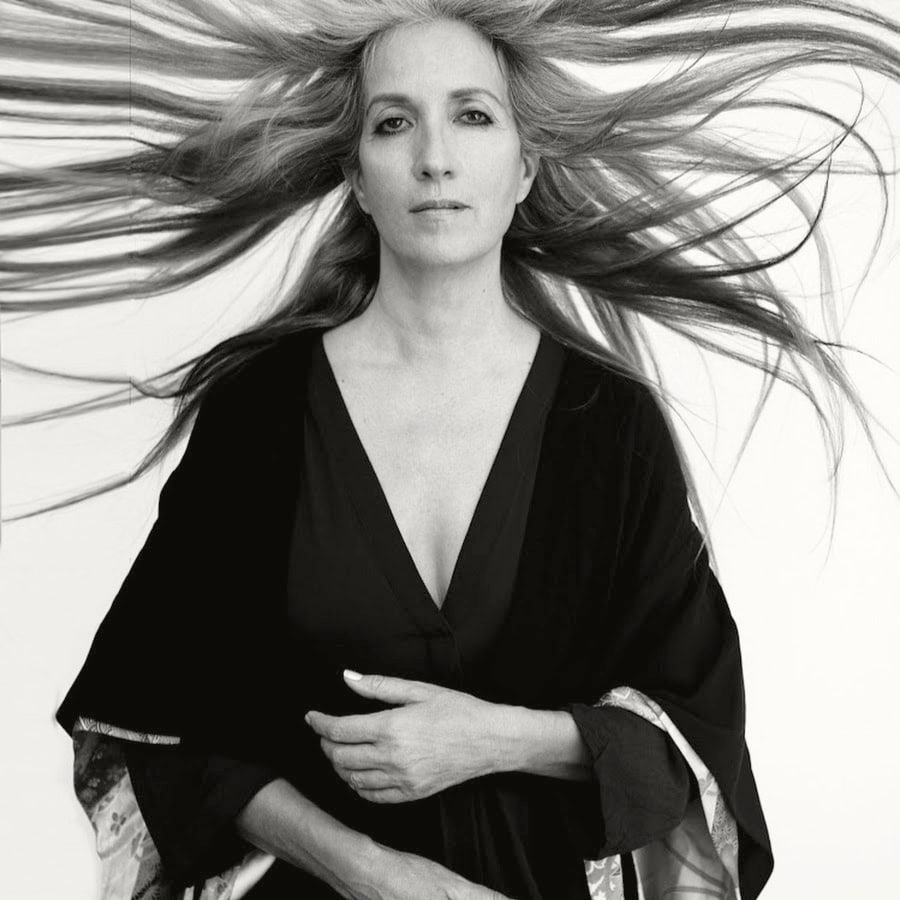


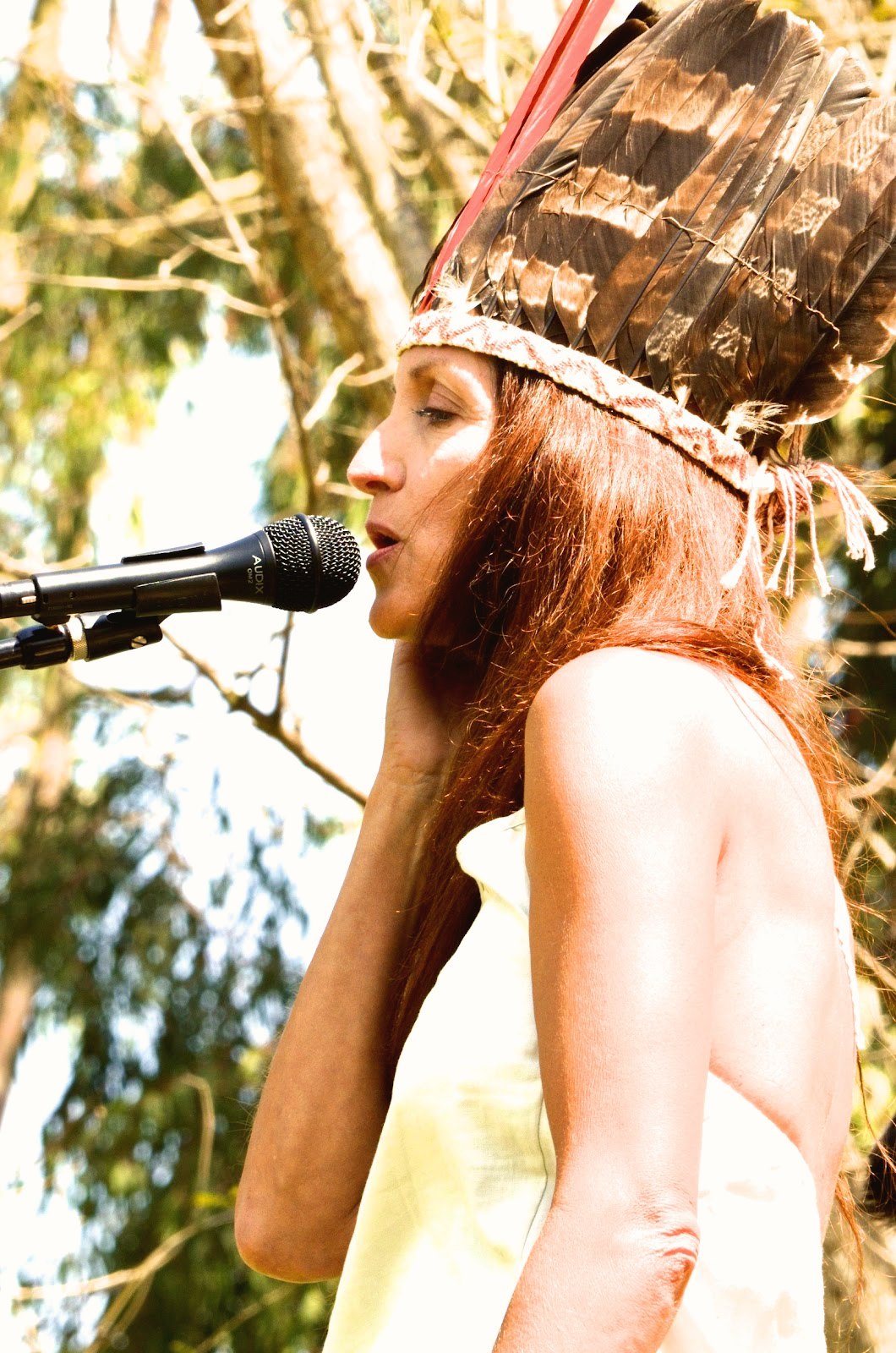
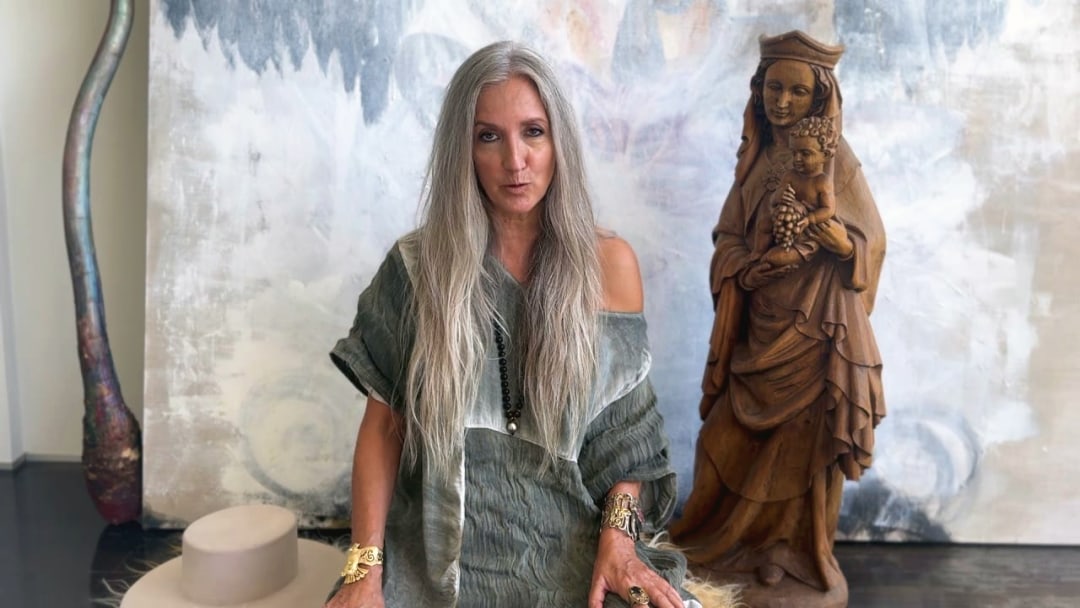
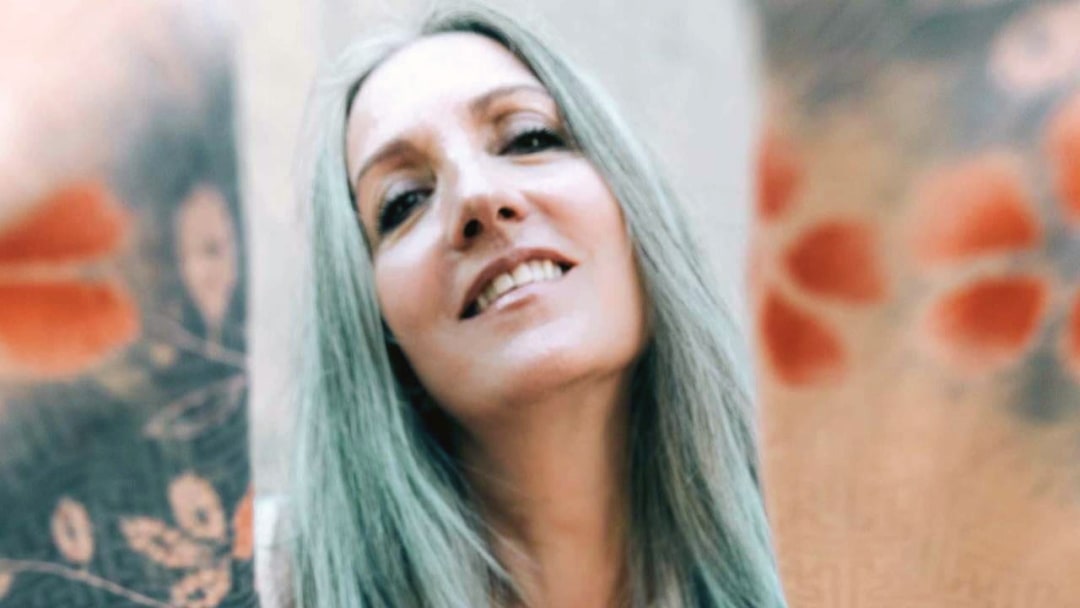

Musician · mystic · author and healer · Los Angeles, United States
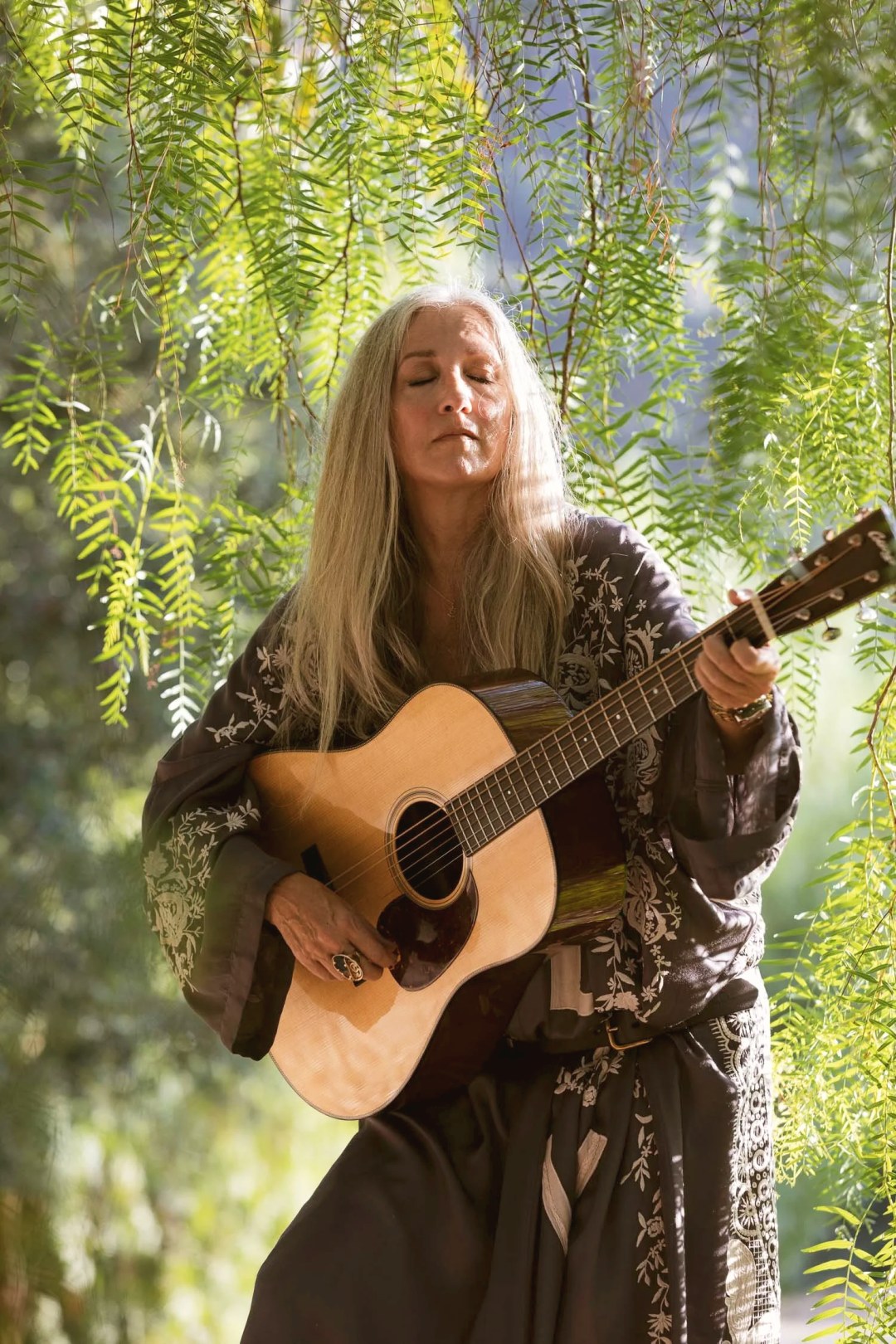
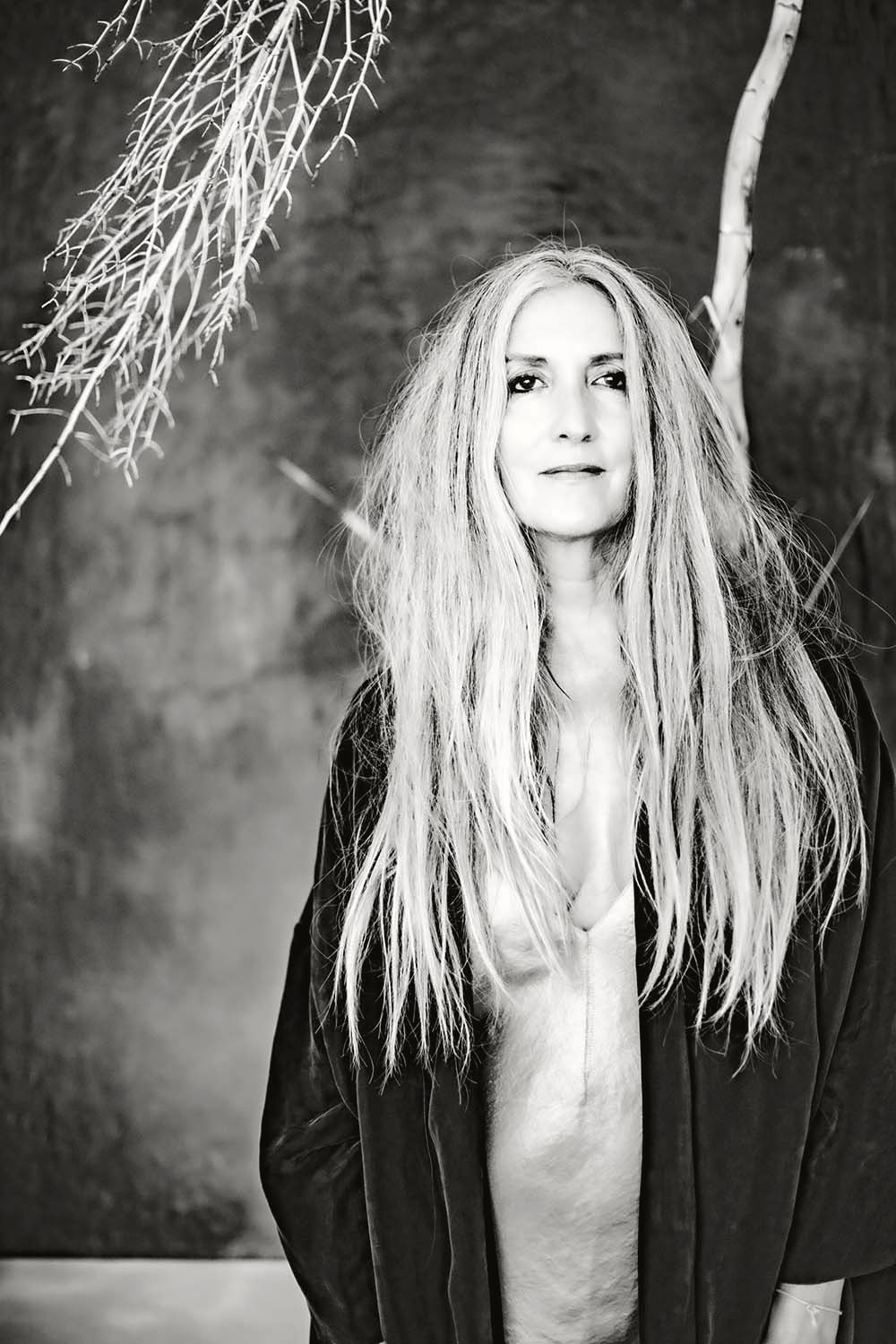
Julie Piatt, known as SriMati, describes herself as a mystic mother, musician, artist, chef, author and healer who has lived her life immersed in devotion and expansive creativity. She is a guide in finding the divine in all life experiences, and she shares what she has learned from life events she has experienced as processes of alchemical transformation. Her message is that each life carries a unique blueprint, and that loving ourselves more allows us to live that design fully.
Julie Piatt, known as SriMati, describes herself as a mystic mother, musician, artist, chef, author and healer who has lived her life immersed in devotion and expansive creativity. She is a guide in finding the divine in all life experiences, and she shares what she has learned from life events she has experienced as processes of alchemical transformation. Her message is that each life carries a unique blueprint, and that loving ourselves more allows us to live that design fully.
Her website says she healed a large cyst in her neck, diagnosed by doctors as incurable, through a plant-based diet and a deep meditation practice. The experience gave her an intimate connection to food. She has since created over 300 plant-based recipes for best-selling cookbooks published by Avery/Random House: This Cheese Is Nuts!, The Plantpower Way (2015) and The Plantpower Way: Italia (2018). She co-authored the last two with her husband, Rich Roll.
Julie hosts the podcast For The Life of Me (formerly Divine Throughline), which explores purpose, conscious parenting, food as medicine, devotion and intimacy in relationships. She is also a frequent guest on The Rich Roll Podcast.
Her music began with an ancient humming meditation technique she learned from a beloved teacher. She released her debut album Mother of Mine in 2010, followed in 2011 by Jai Home, recorded and produced with her sons Tyler and Trapper. Sriya is her musical collaboration with Maltese temple singer Amber Riya. She also offers guided meditations and healing techniques through her Water Tiger community.
Listening Journey
Discography
Read
Bibliography coming soon.
Lineage & Inspiration
The teachers, lineages, and practices that shape Julie Piatt's path.

Spiritual Practice
Path of devotion; core of her spiritual practice and teachings on love
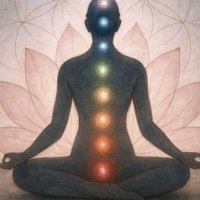
Practice
Practices Guru Singh's kundalini breathwork series for energy clearing and transformation
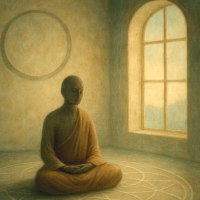
Core Practice
Deep meditation practice central to her healing and spiritual transformation journey

Devotional Tradition
Her spiritual name Sri Radhe connects her to the divine feminine devotional lineage
Worth Knowing
She's known as SriMati, and her work spans music, writing, teaching, healing, and food as medicine—not as separate silos but as an integrated devotional path. What draws people to her is the thoroughness and honesty: she's walked her own healing journey (a meditation practice that resolved a medical diagnosis doctors said was incurable) and brings that same unflinching presence to how she holds space for others. Her podcast, For The Life of Me, explores purpose, conscious parenting, food as medicine, devotion, and relationship intimacy—topics that matter to people actually living contemplative lives, not abstract seekers. She also has real cultural reach through collaborations with Rich Roll and published cookbooks with Random House, which means her work speaks to mainstream wellness audiences, not just spiritual insiders. People trust her because she refuses compartmentalization and brings real candor, not mystique, to her teaching. The BrightStar biography 'Who Is Julie Piatt? Life, Work, and Legacy' offers deeper context on how these threads weave together into a coherent philosophy.
Her music emerges from an ancient humming meditation technique she learned from a beloved teacher—a practice rooted in the devotional, somatic traditions of Bhakti yoga. The framework of her teaching centers on Bhakti devotion and what she calls 'holding a divine perspective in all that life brings,' which echoes classical Bhakti yoga philosophy around surrender and loving awareness. She's also deeply informed by the modern holistic wellness lineage—the integration of plant-based living, energy healing, meditation, and yoga practice that gained coherence in the West through contemporary teachers and the conscious cooking movement. Her work lands somewhere between traditional devotional practice and contemporary embodied spirituality, with an emphasis on alchemical transformation and personal healing. The humming meditation practice itself has roots in ancient sound-based healing modalities found across contemplative traditions, from Vedic chanting to Sufi devotional practice. She's not positioned as a lineage-holder in the formal guru sense who inherits and transmits an unbroken teaching, but rather as someone who has synthesized and integrated teachings across multiple traditions into a cohesive personal path that she now shares through her Water Tiger community and Malibu retreats. This eclectic but coherent approach—honoring both ancient lineages and contemporary wellness consciousness—is part of what makes her work distinctive and accessible to Western seekers.
Start with her podcast, For The Life of Me (formerly Divine Throughline), because it's how she speaks in her own voice about the themes that matter most—purpose, conscious parenting, food as medicine, devotion, and relationship intimacy. It's accessible without being dumbed down, and it gives you a real sense of her thinking and personality before you commit to listening to albums or reading cookbooks. From there, move to her debut album Mother of Mine (2010), which is foundational to understanding her musical voice and the humming meditation practice at her core, followed by Jai Home (2011) for its family-centered and intimate production. If you're drawn to her philosophy around food, plant-based living, and healing, This Cheese Is Nuts! and The Plantpower Way (2015) are practical starting points—published by Avery/Random House and representing her most visible work to mainstream wellness audiences. Her second cookbook, The Plantpower Way (2015), particularly articulates her larger philosophy around food as medicine and conscious nourishment. For a map of how all these pieces fit together and deeper context on who she is, BrightStar's 'Where to Start with Julie Piatt: A Beginner's Guide' offers curated entry points. The key is to let one medium lead you to another—podcast to music to cookbooks—rather than trying to consume everything at once.
Most spiritual teachers keep their modalities separate—the yoga teacher who doesn't cook, the musician who doesn't write books, the author who doesn't lead retreats. Julie Piatt's distinctive move is refusing that fragmentation and creating an integrated life where music, food, teaching, and healing all arise from the same devotional root. She's created over 300 plant-based recipes alongside music that emerges from humming meditation, alongside teaching that centers on alchemical transformation and loving yourself enough to live your own unique design. There's a rigor and thoroughness here that edges away from generic spiritual platitude—each practice reinforces the others. She also brings real candor and is known for holding a space of non-judgment rather than performing enlightenment or distance. The fact that she's worked with major publishers (Random House) and her husband Rich Roll (who has his own massive following) while maintaining her independent spiritual practice shows someone who doesn't need to perform spirituality for an audience. Her collaboration Sriya with Maltese temple singer Amber Riya shows she's not insular but genuinely engaged with other sacred music practitioners across cultures. That eclecticism without dilution—refusing both spiritual compartmentalization and spiritual consumerism—is rare in this space.
Anyone seeking pop-spirituality or quick transformational promises will find her work challenging. She's not offering high-energy bhakti chanting sessions or feel-good daily affirmations—her approach is contemplative, introspective, and rooted in the slower work of genuinely holding a divine perspective through difficulty and complexity. People drawn to flashy, celebrity-driven wellness culture or rapid-metabolism content will likely bounce off the depth and patient tone of her podcast and music. If you're looking for a guru positioned as enlightened or someone claiming to have arrived, you won't find that with her—she positions herself as a mystic mother and fellow traveler on a path of devotion, which some people find insufficient. Listeners seeking detailed technical instruction in yoga asana or Vedic philosophy specifically should look elsewhere; her work is more about integrated living and healing than academic spiritual study. Additionally, her vegetable-forward food philosophy and plant-based approach may not resonate with people committed to other dietary frameworks or who view food primarily as fuel. The intimacy of her Malibu retreats and Water Tiger community requires real commitment to show up; this isn't a drop-in spiritual marketplace or casual workshop.
Her primary hub is her website julie-piatt.mykajabi.com, where she lists events, retreats, and new releases. She maintains a YouTube channel (@JuliePiattSri) where you can find music, meditations, talks, and teachings. Her podcast For The Life of Me is available on major podcast platforms and offers regular windows into her current thinking, projects, and upcoming work. You can also find her music on Spotify, though her presence there is modest compared to mainstream artists, which reflects her focus on direct community engagement over algorithmic reach. The Water Tiger community she leads through her website offers guided meditations, healing techniques, and live gatherings coordinated through that central hub. Since there are no upcoming tour dates currently available, your best bet for event information is checking her website directly, signing up for her email list, or following her YouTube channel for announcements. Her podcast also serves as a living document where she often discusses what she's working on and where she'll be teaching next.
Her debut Mother of Mine (2010) is foundational—this is where her humming meditation practice became music, establishing the sonic signature that defines her work. Jai Home (2011) is equally essential because it represents an evolution in her sound and brought her family directly into the recording and production process with her sons Tyler and Trapper; this family collaboration marked a significant shift from solo artist to ensemble approach. Sriya, her collaboration with Amber Riya, a Maltese temple singer, represents her most recent musical direction and shows her expanding practice into cross-cultural sacred music territory, drawing on both her own humming meditation lineage and Amber's temple singing tradition. Together these three albums map her musical arc from solitary humming practice to family collaboration to cross-cultural sacred music partnership. There are no other albums in her discography beyond these three, which speaks to her deliberate, quality-over-quantity approach to recording. Start with Mother of Mine to understand her foundation, then move to Jai Home for the evolution, and explore Sriya for how she's integrating with other sacred music practitioners.
Her primary instrument is her voice, specifically shaped by the ancient humming meditation technique she learned from a beloved teacher—this is the core sonic signature of her work and the foundation of her entire musical practice. On Jai Home (2011), she brought her sons Tyler and Trapper into the recording and production process, making them key collaborators in shaping that album's aesthetic and sound; this family collaboration marked a significant evolution from her solo debut. Sriya, her collaboration with Amber Riya, a Maltese temple singer, represents another layer of collaboration and shows her expanding practice into cross-cultural sacred music territory. Beyond the specific albums, her work centers on the human voice and the resonance of chanting and humming as a healing and devotional modality rather than on instrumental virtuosity. The harmonium is traditionally part of Bhakti chanting practice and likely features in her work, though specific instrumental details remain understated. Her approach treats the voice itself as an instrument for meditation, devotion, and personal and collective healing, which shapes how she selects collaborators—people who understand the sacred dimension of sound rather than technically trained musicians in the conventional sense. This emphasis on voice and sacred sound reflects the humming meditation lineage she carries forward.
She has created three published cookbooks with Avery/Random House, the major wellness publisher: This Cheese Is Nuts!, The Plantpower Way (2015), and The Plantpower Way: Italia (2018). The latter two were co-authored with her husband Rich Roll and represent her most significant published body of work on food as medicine and plant-based living; The Plantpower Way itself has become a reference text in the plant-based wellness movement. Across these three cookbooks, she's contributed over 300 plant-based recipes, each embedded with her philosophy around healing, nourishment, and conscious food choices as a spiritual practice. Beyond published books, her podcast For The Life of Me functions as an ongoing teaching document about purpose, conscious parenting, devotion, intimacy, and personal transformation—it's where much of her teaching now lives in audio form. She hasn't published a standalone memoir or explicitly spiritual text in traditional book form at this time, so her primary written legacy lives through the cookbooks and podcast. If you're interested in understanding her philosophy around food, plant-based living, healing, and transformation, the Random House cookbooks are the essential published entry point. The cookbooks are also beautifully produced and accessible to home cooks, not just people on spiritual paths—they function as both recipe collections and teaching texts.
Start with The Plantpower Way (2015) rather than This Cheese Is Nuts!, because it's the fuller statement and has been followed by The Plantpower Way: Italia (2018), showing its success and her continued refinement of the material. The Plantpower Way gives you both recipes and the philosophy behind plant-based living, healing, and conscious nourishment in a way that connects food to spiritual transformation. This Cheese Is Nuts! is more specialized, focused specifically on dairy-free alternatives, and works better as a second read or as a reference you dip into for specific recipes. If you want to understand her approach to food as medicine and its relationship to her meditation and healing practice, The Plantpower Way provides that philosophical context. The Italia edition is a natural follow-on if you're drawn to her approach and want to see how she's applied it to Mediterranean cooking and culture. Start with The Plantpower Way, and you'll understand why plant-based food sits at the center of her larger teaching about embodied transformation and wellness.
ご本人ですか? このページを登録 ›
Continue your journey
BrightStar is the global directory of artists, teachers, and healers in the wellness and spiritual movement. Find your next experience — or add yourself.
Browse 14,000+ curated profiles across kirtan, yoga, meditation, and beyond.
Explore directory →Kirtan, retreats, sound baths, breathwork, ceremonies — happening this week.
Browse events →Are you an artist, teacher, or healer? Get listed — free, AI-assisted, live in minutes.
Get started →


