
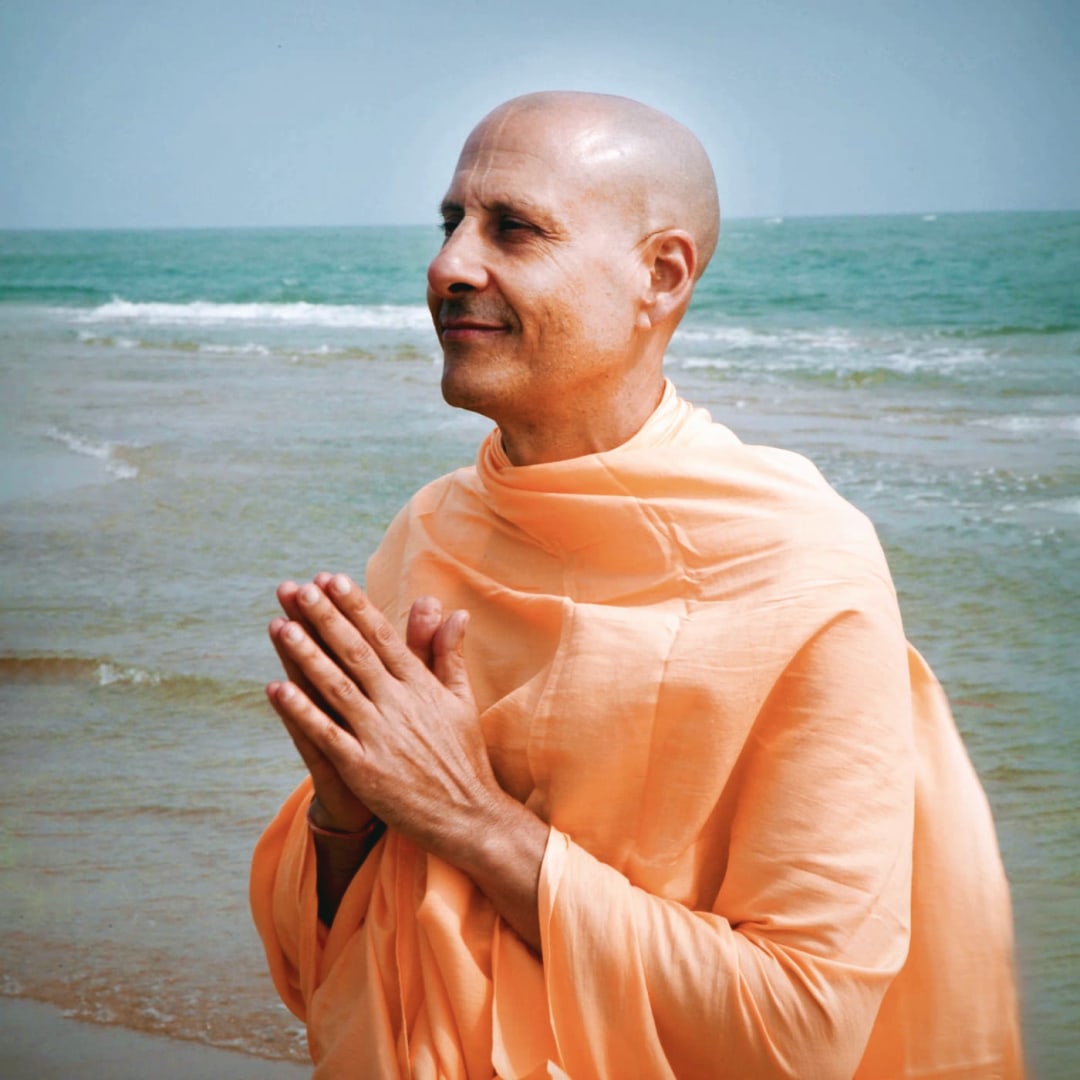
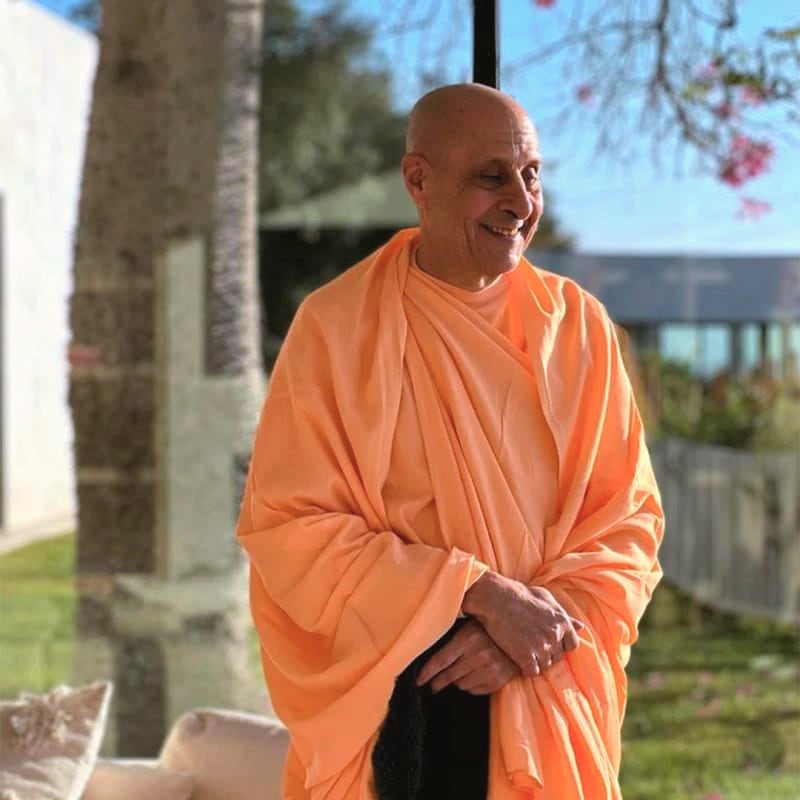
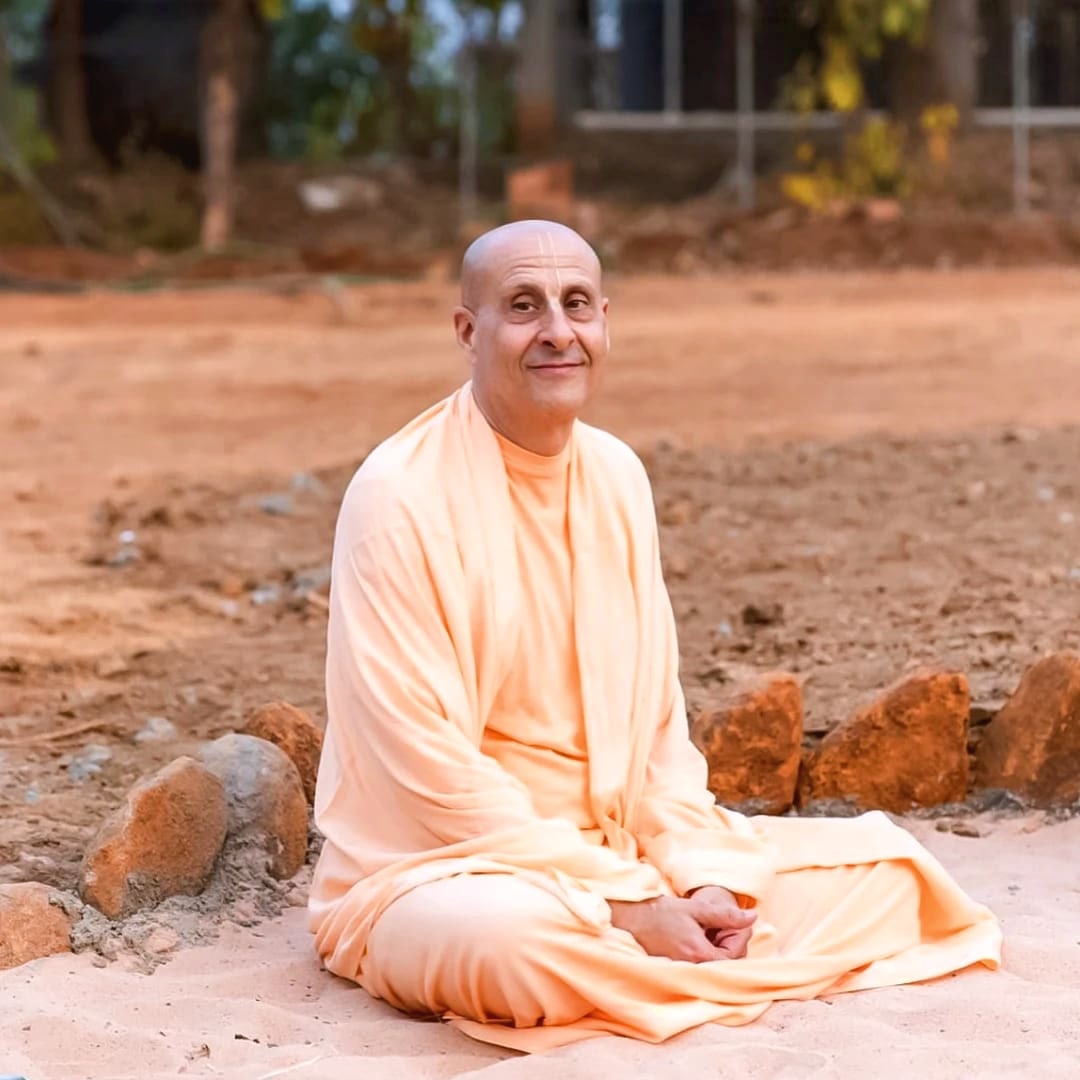
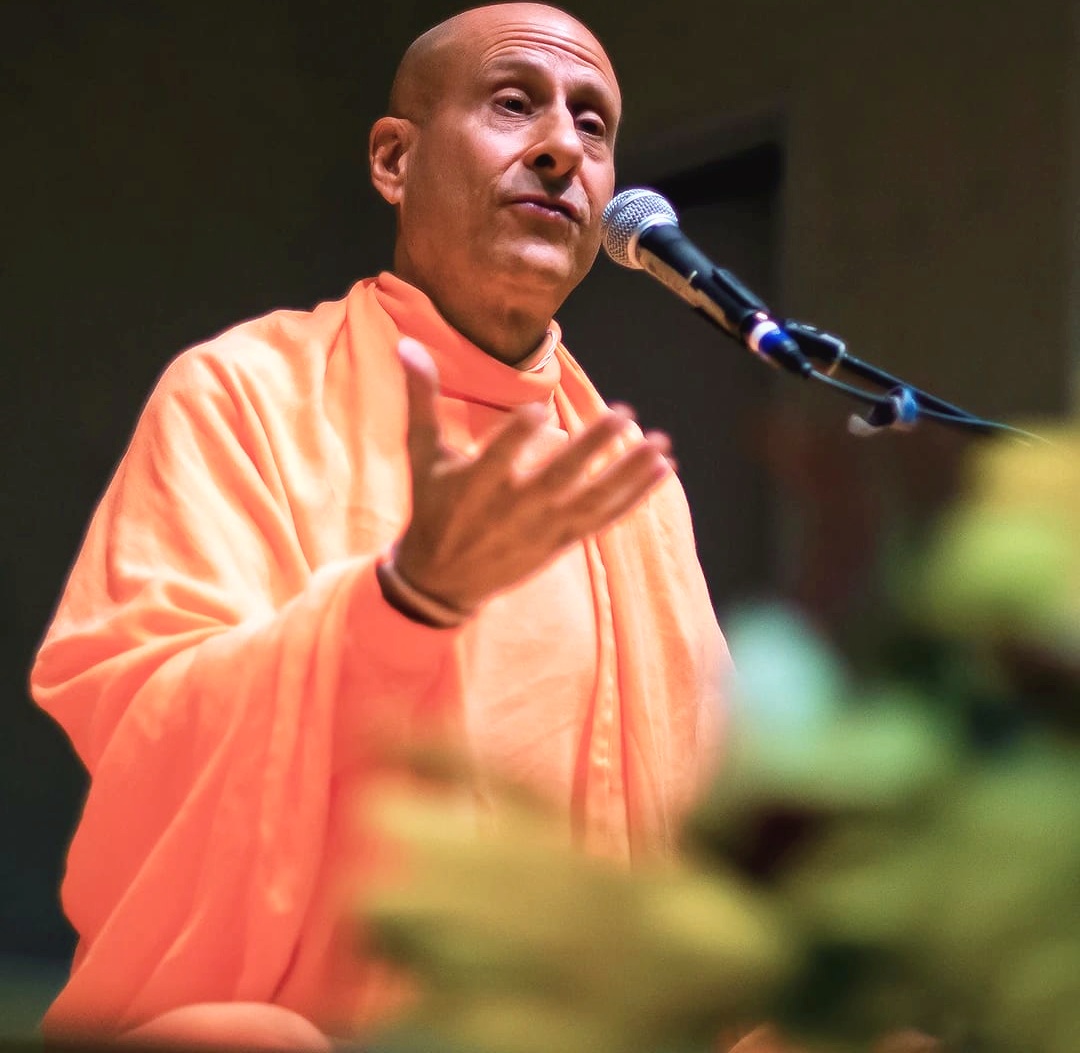
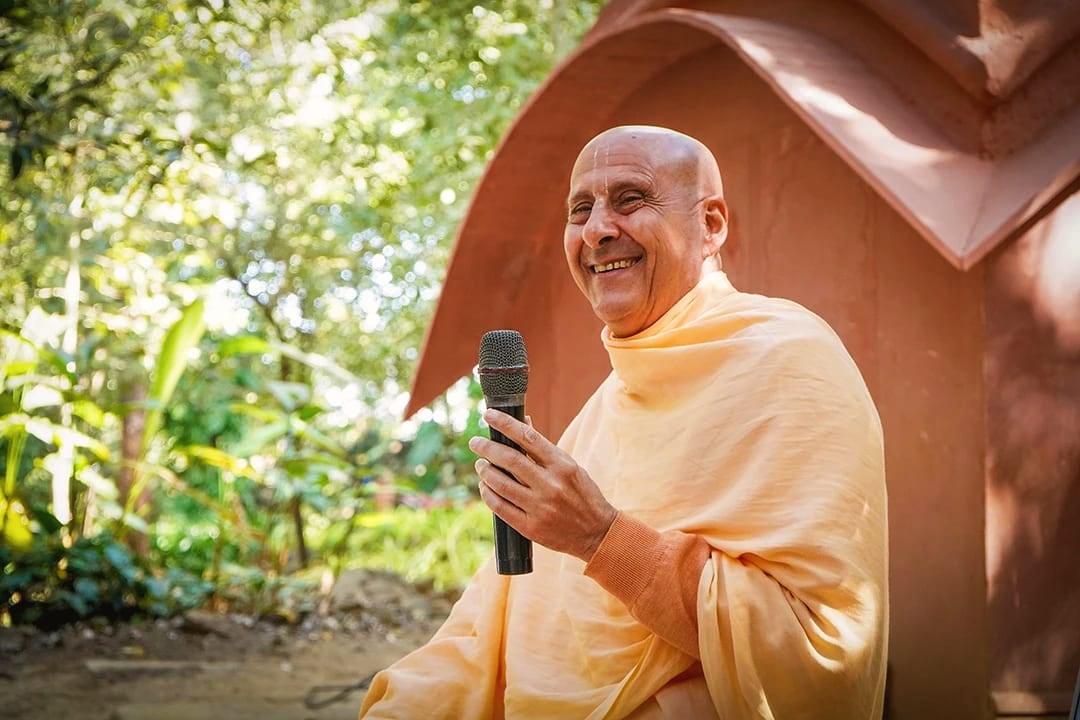
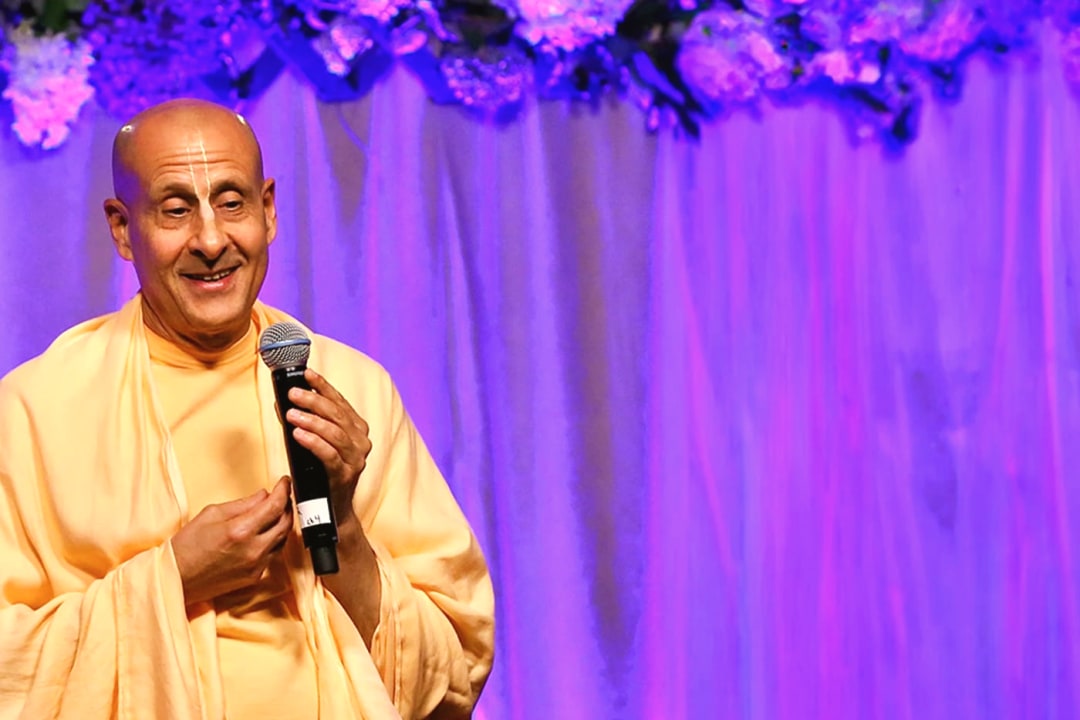
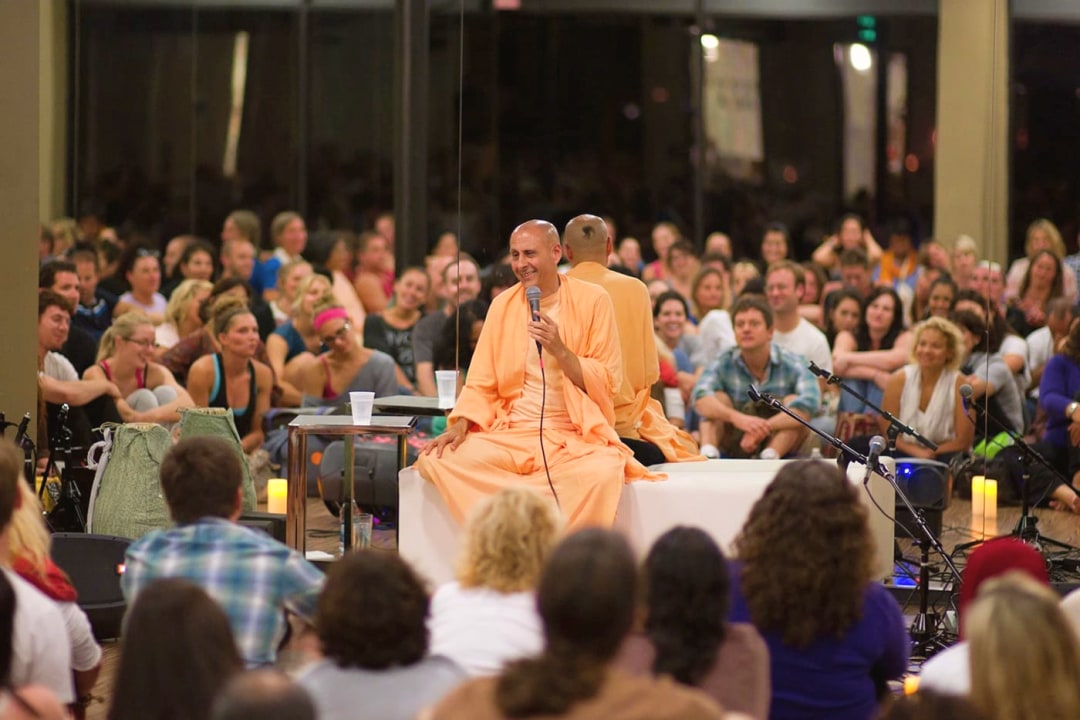
その他の写真
HR

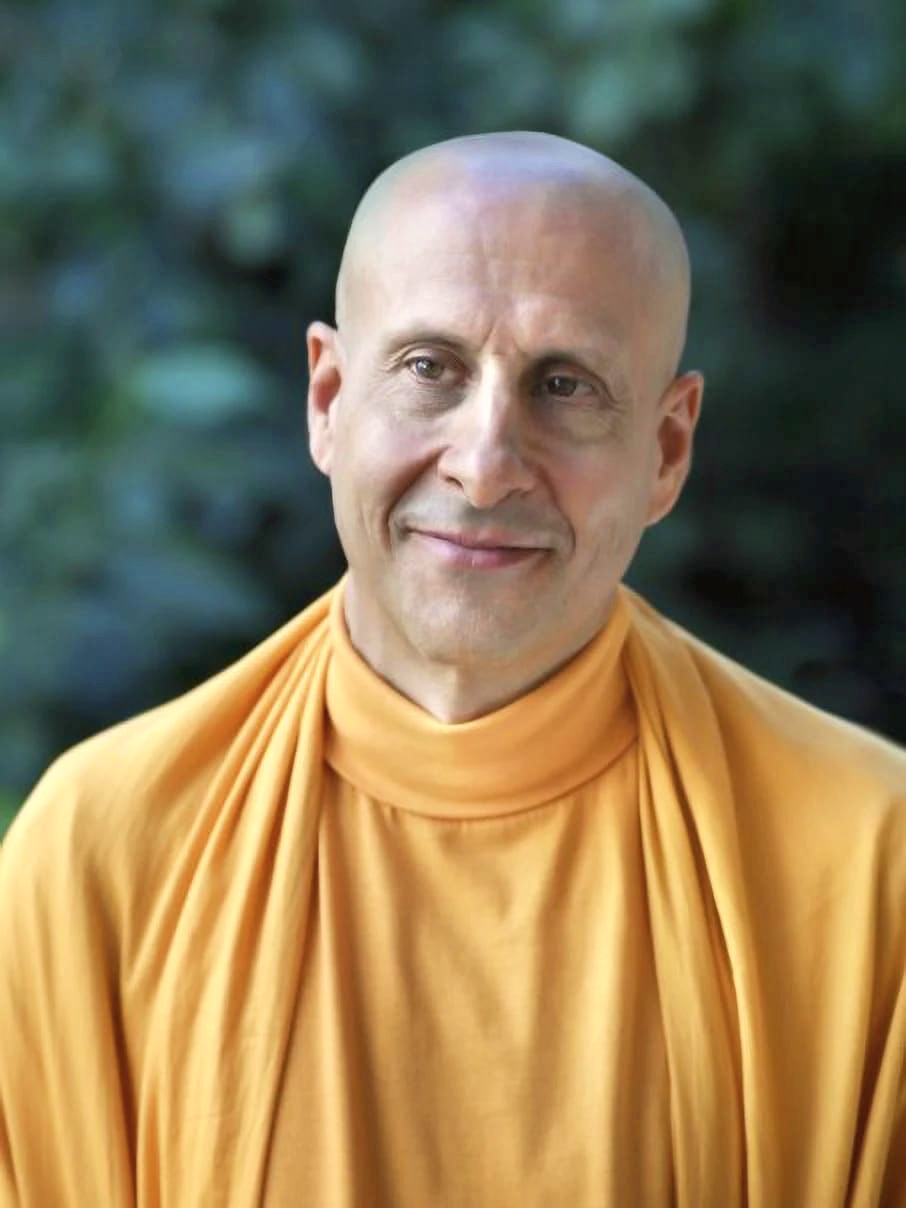
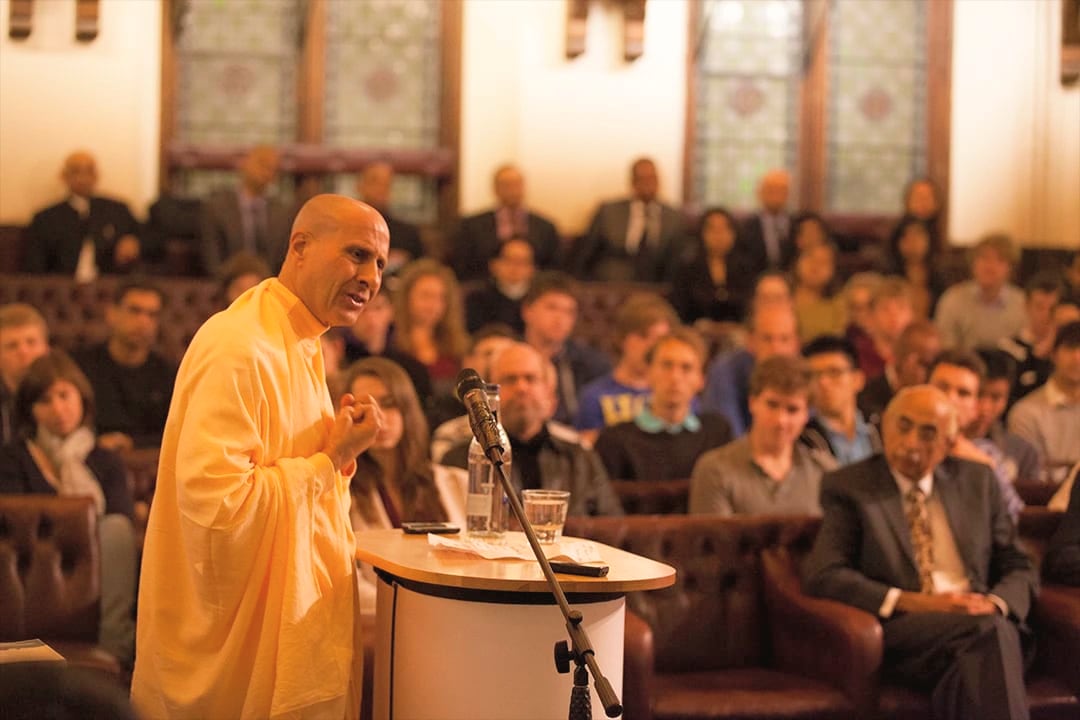
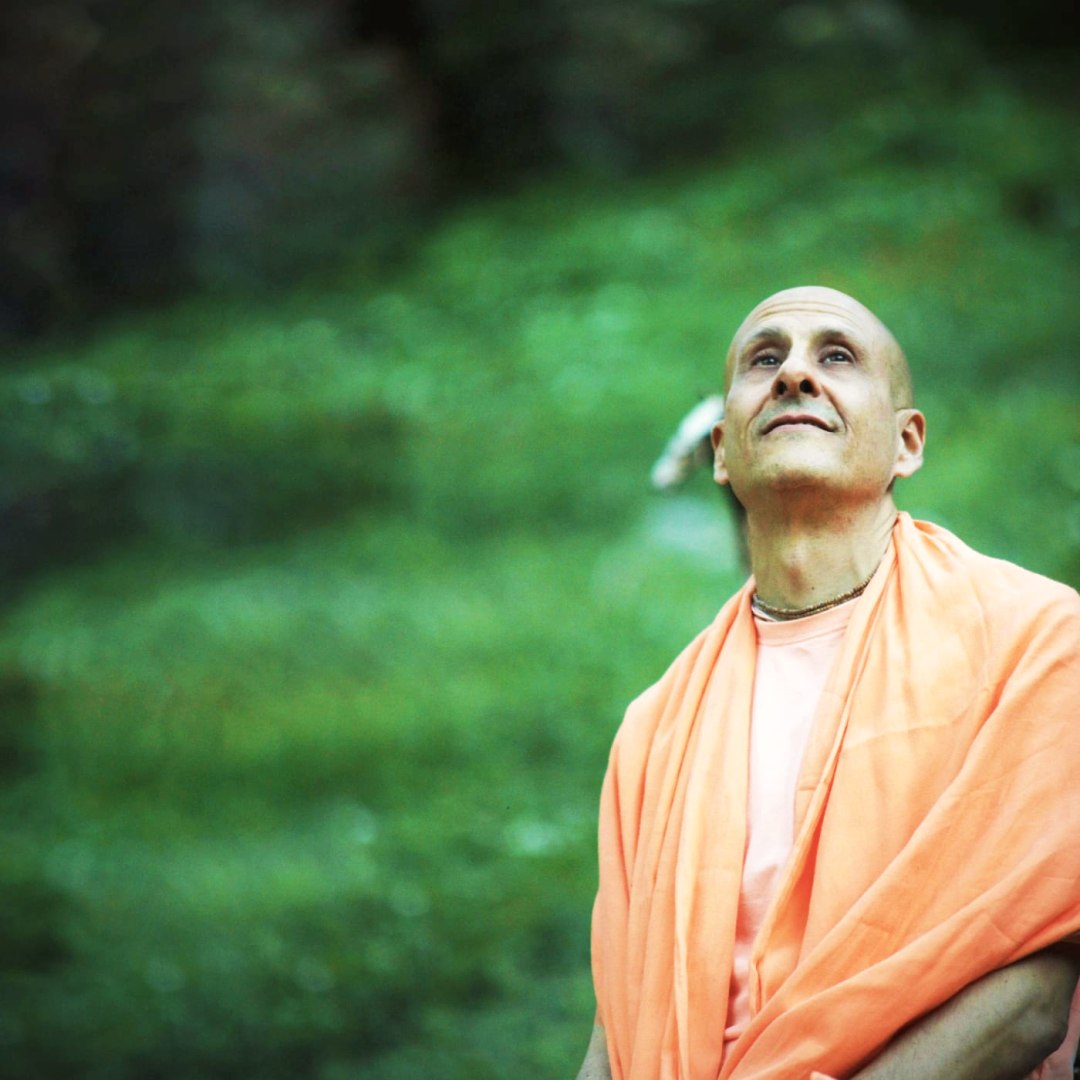
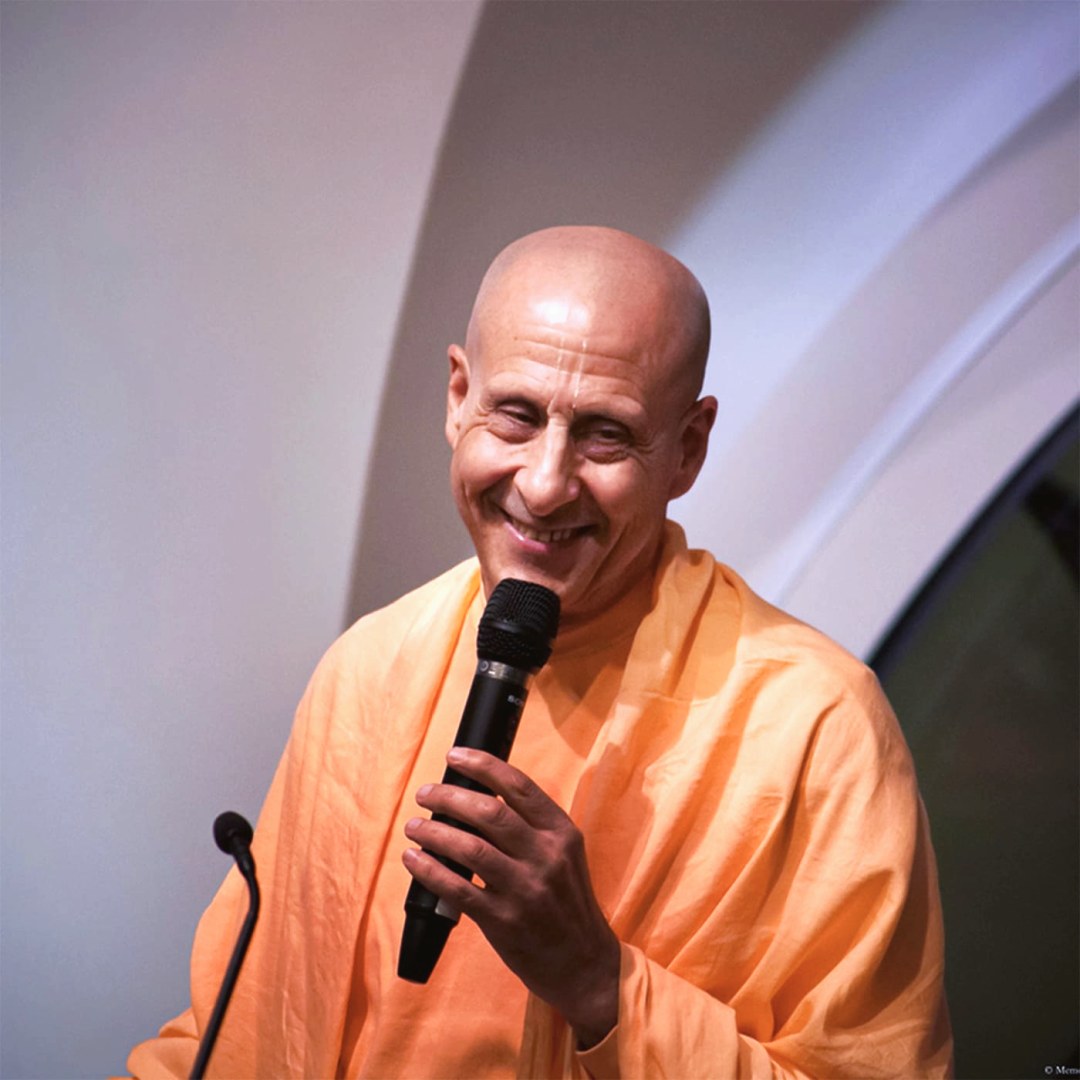
HH Radhanath Swami
Spiritual Teacher
紹介
H.H. Radhanath Swami is a monk, spiritual teacher, author, and community builder in the Krishna-bhakti tradition, known internationally for his teachings on Bhakti yoga and for the humanitarian projects he has guided across India, Europe, and North America.
H.H. Radhanath Swami is a monk, spiritual teacher, author, and community builder in the Krishna-bhakti tradition, known internationally for his teachings on Bhakti yoga and for the humanitarian projects he has guided across India, Europe, and North America.
Radhanath Swami has been a monk in the Bhakti tradition for over fifty years. His path began in his youth, when he travelled the world seeking meaning and purpose. That search led him to India, where he met his spiritual teacher, Srila Prabhupada. Since that meeting, his life has been dedicated to sharing what his website describes as "the beauty of Bhakti with the world," and to helping people find meaning through serving others.
His teachings centre on the devotional path of Bhakti yoga, with a focus on the practical application of sacred traditions and on the shared essence that unites different spiritual and religious paths. His books, The Journey Home and The Journey Within, are New York Times bestsellers and have been read widely around the world. The teachings on his site also invite readers to explore the life and legacy of Srila Prabhupada as a foundation for understanding the Bhakti lineage.
Alongside his teaching work, Radhanath Swami has directed a range of social initiatives. The Midday Meals Project serves food to school children across India to address poverty, malnutrition, and illiteracy, and has served over four billion vegetarian meals since its inception, with more than 260,000 plates of sanctified vegetarian food distributed daily to children in Mumbai's slums. He has also worked to establish Bhaktivedanta Hospital, a facility that treats patients on physical, mental, emotional, and spiritual levels and runs eye camps restoring sight across India. The Govardhan Ecovillage, a United Nations WTO-awarded eco-community, was set up to demonstrate sustainable living in harmony with nature. The Bhakti Center in Manhattan, New York, offers meditation and yoga courses, 12-step recovery, and meal distribution as a cultural and spiritual hub. Vani School provides worldwide access to online courses in Bhakti yoga, Ayurveda, kirtan, and related subjects.
Radhanath Swami travels regularly throughout India, Europe, and North America. For the past twenty-five years he has guided the development of his community and its many outreach programmes. His message, as his website states, is "as profound as it is simple: by cultivating a rich inner life of self-awareness and serving others with humility," inner and outer transformation becomes possible. His work draws those seeking grounding in devotional practice alongside those drawn to service-based community life.
Lineage & Inspiration
Spiritual Influences
The teachers, lineages, and practices that shape HH Radhanath Swami's path.
A. C. Bhaktivedanta Swami Prabhupada
Guru, ISKCON Founder
His spiritual teacher, who initiated him in 1971 and whose mission he continues.

Chaitanya Mahaprabhu
Founder of Gaudiya Vaishnavism
The 16th-century saint who started the sankirtan tradition of congregational chanting that Radhanath Swami teaches.

Bhakti Yoga
Practice
The path of devotional service, which he has taught as a monk for over 50 years.

Gaudiya Vaishnavism
Tradition
The lineage he belongs to through ISKCON, centred on Krishna devotion and the chanting of the Hare Krishna mantra.
Worth Knowing
Questions
HH Radhanath Swami is a Bhakti monk who has lived as a monk for over 50 years and teaches Bhakti yoga, the devotional path, as the core of a life given to serving others. His website describes him as a teacher, author and activist, and the credential most readers meet first is New York Times bestselling author, earned through The Journey Home and The Journey Within. His own story is the hook: he travelled widely in his youth looking for meaning and purpose, and about 50 years ago he met his spiritual teacher Srila Prabhupada in India. Admirers care because he works across three arenas that rarely share a public profile, writing books for general readers, teaching meditation and kirtan, and running large service projects in India and New York. His central argument is that a rich inner life of self-awareness, combined with humble service to others, is the practical proof of a sacred tradition. Readers arriving from outside devotional traditions often enter through the service projects rather than the theology, and that entry point accounts for much of his public appeal. The profile is best read as teaching first and public profile second.
His work sits within the Bhakti tradition, the devotional stream of Indian spirituality centred on loving service, and the YouTube channel maintained by his office describes him as a monk in a Krishna-bhakti lineage. His teacher is Srila Prabhupada, whose life and key teachings his website presents alongside his own, so the lineage is a named, direct line rather than a loose inspiration. Bhakti yoga, as he teaches it, is the devotional path, and the practices that follow from it include meditation, kirtan and selfless service. Readers who want historical context should understand that Srila Prabhupada is the central reference figure for this branch, and his biography is the natural companion to reading HH Radhanath Swami. His framing emphasises the shared essence that unites apparently different religious and spiritual paths, which makes his tone more ecumenical than sectarian on the surface. The Krishna-bhakti framing is specific, however, and it asks for devotion to Krishna as the object of worship, which not every reader will find comfortable. Anyone tracing the tradition in depth should treat the website's lineage material as the primary source and the rest as commentary.
A complete newcomer can begin with The Value of Time, a reflection on the website radhanathswami.com/time that opens with the story of a 14-year-old girl who points to a tree and asks why people waste their short lives on superficial things. It is short, self-contained, and does not assume knowledge of Sanskrit terms, and it introduces the questions of meaning and service that run through all of his work. The next step is The Journey Home, which the bio names first among his New York Times bestselling books. From there, the YouTube channel his office maintains offers recorded talks that let a newcomer hear how he explains Bhakti yoga in his own voice. The Journey Within is the natural second book, since it gives its name to the Journey Within Foundation that houses his philanthropic projects. Readers who want to see the community side first can read about the Govardhan Ecovillage or the Midday Meals Project in the bio before returning to the teachings. The public data does not describe the contents of each book in detail, so the sequence above is a recommended path rather than a verified summary.
What sets HH Radhanath Swami apart is that the teaching and the institutional service work are presented as one project rather than two. Many spiritual teachers emphasise inner work alone, but his public profile is built around a monk of more than 50 years in the Bhakti tradition who has attached that vocation to large, named institutions. The Midday Meals Project, which the bio says has served over 4 billion vegetarian meals to school children across India, and the Bhaktivedanta Hospital, which treats patients on physical, mental, emotional and spiritual levels, are the most concrete evidence of his message. The Govardhan Ecovillage gives sustainable living a physical form, while Gopal's Garden School and Vani School bring Vedic learning into academic and online settings covering Ayurveda, yoga and kirtan. His books also reach a general reading public, since The Journey Home and The Journey Within carry the New York Times bestselling credential. He keeps Srila Prabhupada as the explicit anchor, yet his language about a shared essence across religious paths makes the teaching easier for non-specialists to enter. The distinctiveness lies in the pairing of a bestselling memoir career with a service network of this breadth under one name.
HH Radhanath Swami's work is not well suited to listeners who want a secular, purely technique-based meditation program, because the practice is framed within Bhakti yoga and the Krishna-bhakti lineage of Srila Prabhupada. Readers who are uneasy with devotional language about Krishna, or who find the monastic vocabulary of service and renunciation off-putting, will likely find the teachings heavy with framing they did not ask for. People seeking detached philosophy or academic comparative religion may find the tone too personal, because the teaching comes from a practitioner speaking to other practitioners and sincere seekers. Anyone looking for fast self-help with clear weekly exercises should know that the material leans toward reflection, storytelling and long-term commitment rather than quick results. The emphasis on kirtan and collective chanting will also not suit people who prefer silent contemplation alone. Fans of loud, high-energy spiritual performance will find the presentation understated and the pacing quiet. The work is best suited to people who already regard inner life and service to others as a serious daily discipline.
Upcoming events have not been crawled for this profile, so no specific dates or venues can be confirmed here. The most reliable channels are the website radhanathswami.com, which gathers his teachings, videos, images, articles and books in a media catalogue, and the YouTube channel maintained by his office. Requests for events or press go through the Office of His Holiness Radhanath Swami, which is the official contact point named in the bio. Travel is described as regular across India, Europe and North America, so the geographic footprint is broad even without a dated calendar. The Bhakti Center in the heart of Manhattan is a standing hub for courses in meditation and yoga, which makes it a practical place to check for recurring programs. Because new material here is mostly teaching and books rather than music, the media catalogue is the most useful signal for fresh releases. Followers who want notice of new developments at the Govardhan Ecovillage, Vani School or the Journey Within Foundation's projects should check those programmes directly.
Public materials for HH Radhanath Swami do not describe the format of a session or retreat in detail, so the specifics of any given gathering should be confirmed with the office before attending. What the record does show is the structure of the tradition he teaches within: Bhakti yoga is practised through meditation, kirtan and selfless service, and his teaching is presented as the practical application of sacred traditions. The Bhakti Center's courses in meditation and yoga offer one concrete window into that practice, while the Vani School online courses on Ayurveda, yoga and kirtan show how the material is organised as a curriculum. Storytelling appears central to his voice, as the opening of The Value of Time reflection shows with its account of a 14-year-old girl and a tree. Students arriving with expectations of a silent retreat may find the devotional and communal emphasis more active than they anticipated. A reasonable expectation is a blend of reflection, chanting and direct address rooted in scripture and lived example. The clearest way to learn the format is to check the Bhakti Center's program listings before committing to any course.
The central theme is that cultivating a rich inner life of self-awareness and serving others with humility can make a person a force for good, a message his website calls as profound as it is simple. A second theme is the value of time, developed in The Value of Time, which asks why people spend short lives on superficial things. Another thread is the shared essence that unites apparently different religious and spiritual paths, which he treats as a practical claim rather than a purely theoretical one. His teaching also keeps returning to meaning and purpose, the question that drove his own early travels and that he frames as the foundation of a good life. Sustainable living appears as a theme in practice through the Govardhan Ecovillage, which is set up to show how to live in harmony with nature. Service in the form of meals, medicine and education runs through the whole body of work, from the Midday Meals Project to eye camps against curable blindness. Bhakti yoga and the teachings of Srila Prabhupada frame almost every theme rather than appearing as a separate subject.
Yes, HH Radhanath Swami has produced recorded talks, books and written reflections that students can study independently. The public record points to three places: the YouTube channel maintained by his office, the media catalogue on radhanathswami.com that gathers his teachings, videos, images, articles and books, and the two New York Times bestselling books, The Journey Home and The Journey Within. The Value of Time is a useful first test of whether his style suits a given listener, because it is short, narrative and self-contained. The media catalogue is the more organised option for someone who wants to study by theme rather than by chronology. Students who want to build a sequence should pair the talks with the books, since the books supply the longer arguments and the talks supply the spoken emphasis. The data does not give a count of talks or their running times, so a student should check the channel directly before planning a course of study. Independent study pairs well with the structured online courses at Vani School, which are centred on Bhakti yoga.
No formal background is required to begin, since the bio describes the books as read by many people around the world and the public materials are aimed at general readers. The vocabulary is still specific, however, and terms such as Bhakti yoga, kirtan, Srila Prabhupada, Krishna-bhakti and Vedic culture assume some orientation. Newcomers who want that orientation can take the Vani School online courses, which cover Ayurveda, yoga and kirtan as structured subjects centred on Bhakti yoga. Gopal's Garden School, which combines ancient Vedic culture with modern academics, offers a longer educational context for families. Readers unfamiliar with the Indian devotional tradition may find it useful to read about Srila Prabhupada's life before the teachings, since the teacher is the reference point for much of the material. A short glossary of Sanskrit and devotional terms would help a beginner, and the Vani School syllabus is the closest official resource for that purpose. Once the basic terms are clear, the teachings read as the reflections of a monk speaking from more than five decades of practice.


ご本人ですか? このページを登録 ›
Continue your journey
There's more where this came from.
BrightStar is the global directory of artists, teachers, and healers in the wellness and spiritual movement. Find your next experience — or add yourself.
Discover More Artists
Browse 14,000+ curated profiles across kirtan, yoga, meditation, and beyond.
Explore directory →Find an Event Near You
Kirtan, retreats, sound baths, breathwork, ceremonies — happening this week.
Browse events →Add Your Profile
Are you an artist, teacher, or healer? Get listed — free, AI-assisted, live in minutes.
Get started →