Drala Mountain Center — Red Feather Lakes, United States
Buddhist retreat center in the Colorado Rockies, founded 1971
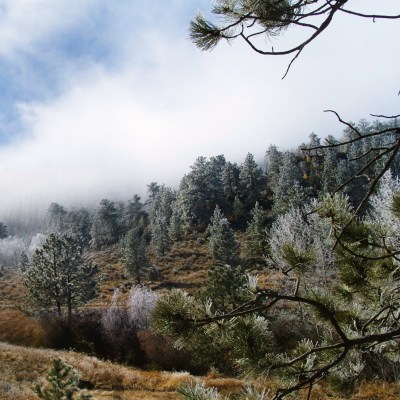
Drala Mountain Center is a Buddhist-rooted retreat center set on 600 acres of mountain valley in Red Feather Lakes, Colorado, about an hour north of Fort Collins. Founded in 1971 by Chögyam Trungpa — the Kagyu and Nyingma-trained Tibetan lama who brought Buddhism to the West — it has operated continuously for more than fifty years as a place where, in the center's own words, stillness reveals clarity and ancient wisdom takes root in a modern world. The lineage that shaped Drala Mountain Center runs deep. Chögyam Trungpa (1939–1987) was trained by three principal teachers: Jamgön Kongtrül of Sechen, Khenpo Gangshar, and Dilgo Khyentse Rinpoche. After escaping Tibet in 1959, he founded meditation centers across North America and Europe; this Colorado land was among his earliest. In the 1970s he also began presenting the secular Shambhala teachings — rooted in the ancient principle of the inherent goodness of all humanity — which he compiled into his book Shambhala: The Sacred Path of the Warrior. Both the Buddhist and Shambhala streams continue to run through DMC's programming today. Over the decades the center has hosted HH the 14th Dalai Lama, the 16th Karmapa, Pema Chodron, Tsoknyi Rinpoche, Dzigar Kongtrul Rinpoche, and many other lineage masters. With more than 100 year-round offerings, the program calendar spans the full arc from introductory to advanced practice. Named retreats include Foundations of Meditation I: Establishing the Ground and Foundations of Meditation II: Deepening the Path; silent meditation intensives such as Peace and Freedom: A Silent Week of Meditation; Vajrayogini sadhana retreats held inside the Great Stupa of Dharmakaya; Mahamudra and Trekchö retreats; Tibetan Bön teaching and Dzogchen immersions; yoga and wellness retreats including Yin Yoga for Rest and Renewal; a Family Camp; and a Winter Residency program. A free Drala Mountain Online Practice Series extends the schedule to remote participants. Solo retreatants may also book independently, with optional one-on-one meditation instruction available on request. The land itself is a defining feature. The 600-acre property encompasses native forests, gentle meadows, and rocky peaks in the Colorado Rockies. At its center stands the Great Stupa of Dharmakaya, described by the center as one of the most significant examples of sacred architecture in the world, open for day visits as well as retreat practice. Lodging ranges from private rooms with en-suite baths in Shambhala Lodge and Rigden Lodge — the latter featuring an outdoor patio — to rustic cabin dorms in Maitri Village, to seasonal 12-by-14-foot platform tents on wooded hillsides available from late May through early September. Three meals a day are included with all lodging; the kitchen offers omnivore, vegetarian, and vegan/wheat-free options at every meal, and the center grows vegetables in an on-site greenhouse. The campus also maintains an active eco-forestry and stream restoration program across its acreage, work that earned a Larimer County Land Stewardship Award in 2019. Drala Mountain Center draws practitioners at every stage of the path — beginners encountering Buddhist ideas for the first time, longtime Vajrayana students attending prerequisite-gated sadhana retreats, yoga teachers seeking a mountain venue for their own groups, and families attending summer camp together. The center describes its mission as being inspired by the teachings of Buddhadharma, grounded in practices to cultivate wisdom and kindness, striving to help create enlightened societies — a statement that has guided the land at 151 Shambhala Way for more than half a century.
Traditions: Tibetan Buddhism, Kagyu, Nyingma, Shambhala, Vajrayana, Mahamudra, Tibetan Bön, Zen
Programs: Heart Of Warriorship Weekends, The Heart Of Mindfulness: Silent Meditation Retreat, Retreat & Renewal, Entering The Vajra World: Three-Yana Retreat, Young Adult Retreats (Pema Chödrön Foundation Partnership)
Amenities: High-Altitude Mountain Setting, Forest & Meadow Landscape, All-Inclusive Meals, Vegetarian & Vegan Options, Gluten-Free Meals, Dining Hall Community, Golf Cart Transport, Dark Sky Viewing, Hiking Trails, Stupa & Prayer Flags
Spiritual Influences
Chögyam Trungpa Rinpoche (Founder / Teacher): Tibetan meditation master who founded the center in 1971 and transmitted both traditional Vajrayana Buddhism and the secular Shambhala teachings emphasizing basic goodness and warriorship.
Shambhala Buddhism (Lineage): The root tradition of the center, blending Tibetan Buddhist meditation with teachings on fundamental human dignity and creating enlightened society.
Kagyu and Nyingma Schools (Lineage): The two Tibetan Buddhist lineages in which Trungpa trained and which inform the center's Vajrayana practices and contemplative approach.
Basic Goodness (Ethos): The foundational Shambhala principle that every human possesses fundamental sanity and dignity, shaping the center's accessible, non-dogmatic teaching culture.
Sacred Architecture (Ethos): Embodied in the Great Stupa built to last a millennium, this commitment to enduring form as container for practice defines the center's physical and spiritual identity.
Land Stewardship (Ethos): The center operates as a working land center engaged in forest restoration, stream rehabilitation, and wildlife stewardship across 600 wilderness acres.
Frequently Asked Questions
What makes Drala Mountain Center different from other Buddhist retreat centers in the Rockies?
This is Chögyam Trungpa's original 1971 Colorado land—you're practicing where the lineage was planted when it first came West, and that history runs through everything. The Great Stupa of Dharmakaya anchors the property, one of the most significant examples of sacred Buddhist architecture in North America, and it's used for actual sadhana retreats, not just tourist photos. The dual-stream approach is unusual: some programs are strictly Vajrayana with prerequisites (Vajrayogini sadhana, Mahamudra intensives), others teach secular Shambhala warriorship, and still others welcome absolute beginners with no Buddhist background. Over 100 annual offerings means you can return five times and never repeat a program. The land itself—600 acres of native forest, meadow, and rocky peaks—feels wilder and more remote than centers closer to Denver, and the active eco-forestry work and on-site greenhouse reflect a commitment to place that goes beyond guest experience.
Who should probably skip Drala Mountain Center?
If you need luxury amenities or even moderate creature comforts, the rustic cabin dorms in Maitri Village and 12-by-14-foot platform tents won't cut it. The altitude (you're well above 8,000 feet in Red Feather Lakes) hits hard—headaches, breathlessness on stairs, dehydration—so if you have cardiovascular issues or struggle at elevation, plan carefully or choose a lower venue. Wheelchair users will find accessible buildings but gravel paths and steep grades that make independent navigation difficult, according to multiple reviews. If you want a spa retreat or gourmet food focus, this isn't it; the vegetarian meals are functional and some guests found the salad bar understocked. And if you're allergic to any whiff of religious framing, know that even introductory programs carry the Shambhala or Buddhist worldview—this isn't a secular mindfulness resort dressed up in dharma language, it's the real lineage thing.
What does the lineage and practice actually feel like in the meditation halls?
You're sitting in the tradition Chögyam Trungpa brought from Tibet in the 1960s—Kagyu and Nyingma streams, trained under Jamgön Kongtrül of Sechen, Khenpo Gangshar, and Dilgo Khyentse Rinpoche—so the form is rigorous and the instruction assumes you can handle silence, stillness, and boredom. In the beginner programs like Foundations of Meditation, teachers present shamatha technique clearly and accessibly, but they don't sugarcoat it or make it spa-like. In the advanced Vajrayana retreats—Vajrayogini inside the Great Stupa, Mahamudra and Trekchö intensives—you're expected to meet prerequisites and hold the container; these aren't intro-friendly. The Shambhala teachings (secular warriorship based on inherent human goodness) run parallel to the Buddhist track, so you might find yourself in a program talking about basic goodness and warriorship rather than emptiness and compassion, depending on what you book. What unifies it all is the no-nonsense, grounded quality—Trungpa's legacy stripped a lot of exoticism away and what remains is direct, sometimes stark, and unapologetically demanding.
What does a typical retreat day look like hour by hour?
Most programs follow a structure of early wake-up around 6:30 or 7:00 a.m., morning meditation session before breakfast (communal, silent or lightly conversational depending on the retreat), a teaching or dharma talk mid-morning, lunch around noon, and an afternoon block that might include a second sit, a work period, hiking, or solo practice time. Dinner is early, often 5:30 or 6:00 p.m., followed by an evening session—another sit, Q&A, or contemplative practice—and lights out by 9:30 or 10:00 p.m. On silent retreats the schedule tightens and lengthens: you might sit four or five sessions a day with minimal talking even at meals. The shop, dining hall, and program windows are tight enough that you need to plan; one reviewer noted you can't casually wander in late or skip a meal without consequence. The altitude makes everything slower—walking between buildings, climbing to your tent platform, even digesting food—so first-timers consistently underestimate how much the thin air shapes the day's rhythm.
What's the food experience really like in the dining hall?
Three meals a day are included and served communal-style in a dining hall that seats everyone together; expect long tables, modest portions, and a functional vegetarian/vegan menu with omnivore options at some meals. The kitchen grows vegetables in an on-site greenhouse, so summer salads can be excellent, but multiple reviewers mentioned the salad bar running low or feeling like an afterthought, and one vegetarian guest felt the non-meat options lacked creativity. Gluten-free and vegan/wheat-free tracks are available if you notify staff in advance, and the kitchen is generally accommodating about allergies. The vibe is quiet, sometimes silent depending on your program, and the food is meant to support practice, not be the highlight—think nourishing and plain rather than inventive or indulgent. If you're someone who needs food to be an experience, bring bars and snacks; if you appreciate simple, wholesome meals that let you focus on why you're there, you'll be fine.
What are the real tradeoffs between lodging tiers at Drala Mountain Center?
Private rooms with en-suite baths in Shambhala Lodge and Rigden Lodge (the latter has an outdoor patio) cost the most and give you autonomy, a real bed, and your own shower; they're worth it if you're older, need privacy, or can't handle shared bathrooms. Rustic cabin dorms in Maitri Village mean bunk beds, shared bath facilities, and roommates you didn't choose—fine for budget-conscious younger guests or those who don't mind summer-camp conditions. The seasonal platform tents (late May through early September) are 12-by-14 feet, tucked into wooded hillsides, and require a tolerance for cold mornings, proximity to weather, and the uphill walk to reach them; they're also magical if you love dark skies and waking to birdsong. The center uses golf carts to transport people with mobility limits, but if you're in a tent and it's raining, prepare for mud and inconvenience. Budget the highest tier you can afford if comfort matters to your practice; go rustic or tent if you want the mountain to be part of the retreat container.
What surprises first-time visitors, both good and bad?
The good: the Great Stupa is genuinely breathtaking and more architecturally significant than photos convey, and the dark skies at night (Red Feather Lakes has minimal light pollution) surprise people who've only done retreats near cities. The staff kindness shows up in reviews again and again—they're accommodating, warm, and seem to genuinely care about your experience. The bad: the altitude hits harder than expected, even if you've been to Denver; hydrate aggressively and give yourself a day to acclimate if possible. The campus is more spread out than it looks on a map, and gravel paths plus steep grades make walking between buildings a workout, especially at 8,000-plus feet. Meal and program timing is tight—if you miss breakfast or show up late to a session, you feel it—and the shop and office hours are limited enough that you can't count on last-minute problem-solving. First-timers also underestimate how cold mountain nights get, even in summer; bring layers you wouldn't pack for a Front Range visit.
How should you think about cost and what's actually included?
Drala Mountain Center falls in the $$$ range, meaning a weekend retreat typically runs several hundred dollars and a week-long intensive can exceed a thousand, but that includes lodging, all meals, and program instruction—no nickel-and-diming for meditation hall access or teachers. Solo retreatants can book independently with optional one-on-one meditation instruction available on request, which adds cost but also tailors the experience. The free Drala Mountain Online Practice Series extends some teachings to remote participants, a genuine gift if you want to sample before committing to the trip. What you'll spend extra on: travel to Red Feather Lakes (it's an hour north of Fort Collins, no public transit), any books or supplies from the on-site shop, and potentially a private room upgrade if the dorm or tent options don't work for you. The center is a 501(c)(3) nonprofit and while scholarship info isn't surfaced in reviews, many Buddhist centers in this lineage offer dana-based or sliding-scale access if you ask directly—worth an email if cost is the only barrier.
What are the common first-timer fears and how real are they?
Silence requirements: they vary by program—some retreats are fully silent including meals, others allow conversation outside the meditation hall, and intro weekends like Foundations of Meditation tend to be lighter on noble silence. Check your specific program description because assumptions will mislead you. Religious framing: yes, it's present, even in the secular Shambhala programs; you'll encounter altars, shrine offerings, and teachings rooted in Tibetan Buddhist cosmology, so if that feels uncomfortable or appropriative to you, this may not be your venue. Fitness level: the altitude and terrain demand more than a flat urban retreat; if you can't walk uphill on gravel or climb a flight of stairs without resting, communicate with staff in advance about golf cart transport and accessible building placement. The fear of being the only beginner is mostly unfounded—programs clearly mark prerequisites, and intro retreats genuinely welcome newcomers—but the fear of being underprepared for cold, altitude, or austerity is real and worth taking seriously.
What does the land and built environment actually feel like when you're there?
The 600 acres sprawl across mountain valley, native forest, and meadow, so you're visually and acoustically remote in a way that smaller retreat centers can't match—no road noise, no neighbor sounds, just wind, birds, and the occasional rustle of wildlife. The Great Stupa of Dharmakaya sits at the heart of the property, a white structure with prayer flags snapping in the wind, and walking around it at sunrise or under stars is the experience most guests remember years later. The rest of the campus feels intentionally spare: lodges are clean and functional but not architectural statements, the dining hall is plain, and even the meditation halls favor simplicity over ornamentation. Hiking trails spider out across the property, and the eco-forestry and stream restoration work means the land feels cared for, not just used. It's beautiful in a high-desert, Rocky Mountain way—big sky, dry air, dramatic weather, and a sense of exposure that some find exhilarating and others find harsh depending on the season and their tolerance for wind.
What are the unspoken etiquette norms you should know before arriving?
Phone use is discouraged in public spaces and absolutely forbidden in meditation halls; most guests leave devices in their rooms or turn them off entirely, and if you're texting in the dining hall you'll get side-eye. Talking at meals depends on the retreat—on silent programs, even eye contact is minimized; on intro weekends, quiet conversation is fine but keep your voice low and don't treat it like brunch with friends. Leaving a program early or skipping sessions without notifying staff is frowned upon; the container matters in this lineage, and people notice when someone disrupts it. Dress is casual but modest—this isn't a place for athleisure as fashion, and in the shrine rooms you'll see people in layers because it's cold and because covering shoulders and avoiding flashy clothing is part of the respect. The Great Stupa is open to day visitors, so you'll occasionally see tourists walking the grounds, but retreatants are expected to maintain their own boundaries and not let external energy pull them out of practice.
What should you pack that most visitors forget or underestimate?
Warm layers for every season—even July nights drop into the 40s, and meditation halls aren't always heated to comfort; a down jacket, wool socks, and a beanie are non-negotiable. A good water bottle and electrolyte packets, because the altitude dehydrates you faster than you think and the dining hall water stations are your main source. A headlamp or small flashlight for walking between buildings after dark, especially if you're in a tent or cabin; the paths aren't well-lit and you don't want to trip on gravel. Sturdy shoes with grip for the gravel paths and trails, not just slip-on sandals. Sunscreen and a hat with a brim, because the sun at elevation is punishing even on overcast days. And if you're attending a silent retreat, bring a journal or practice notebook; the silence opens space, and many people regret not having a way to process what arises.