Books
Bibliography coming soon.


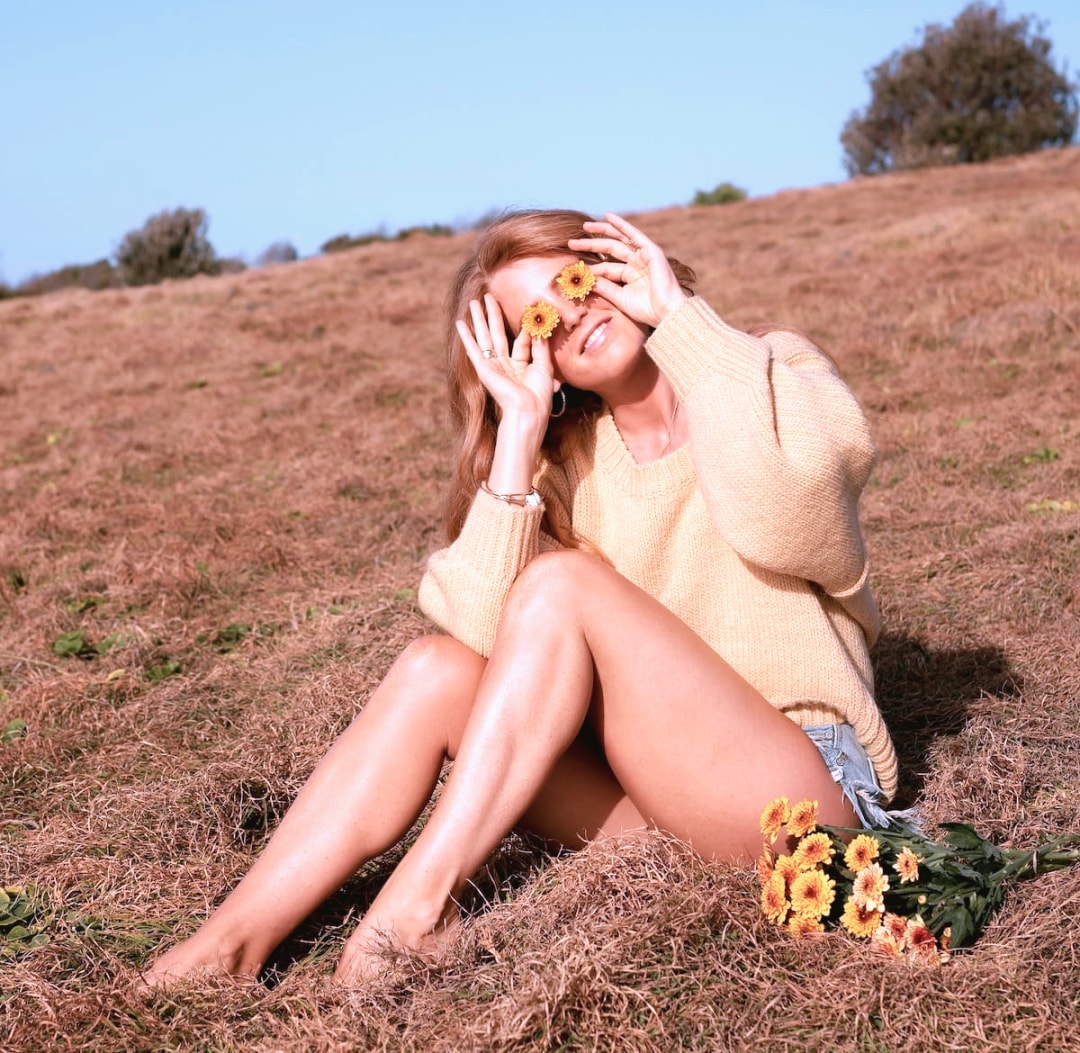
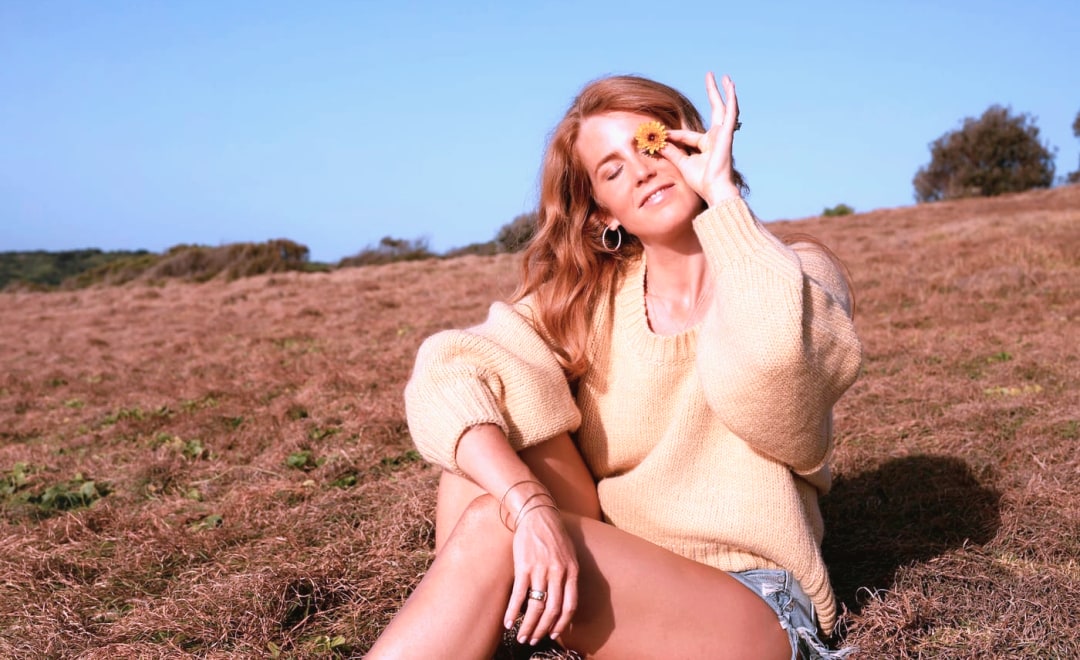
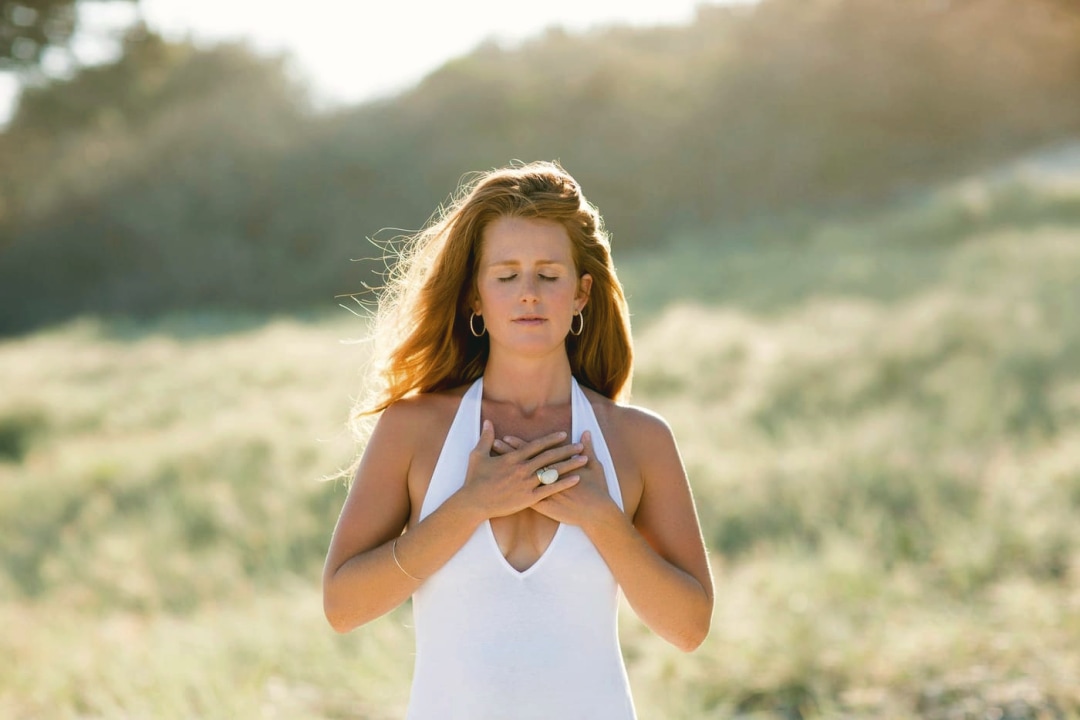
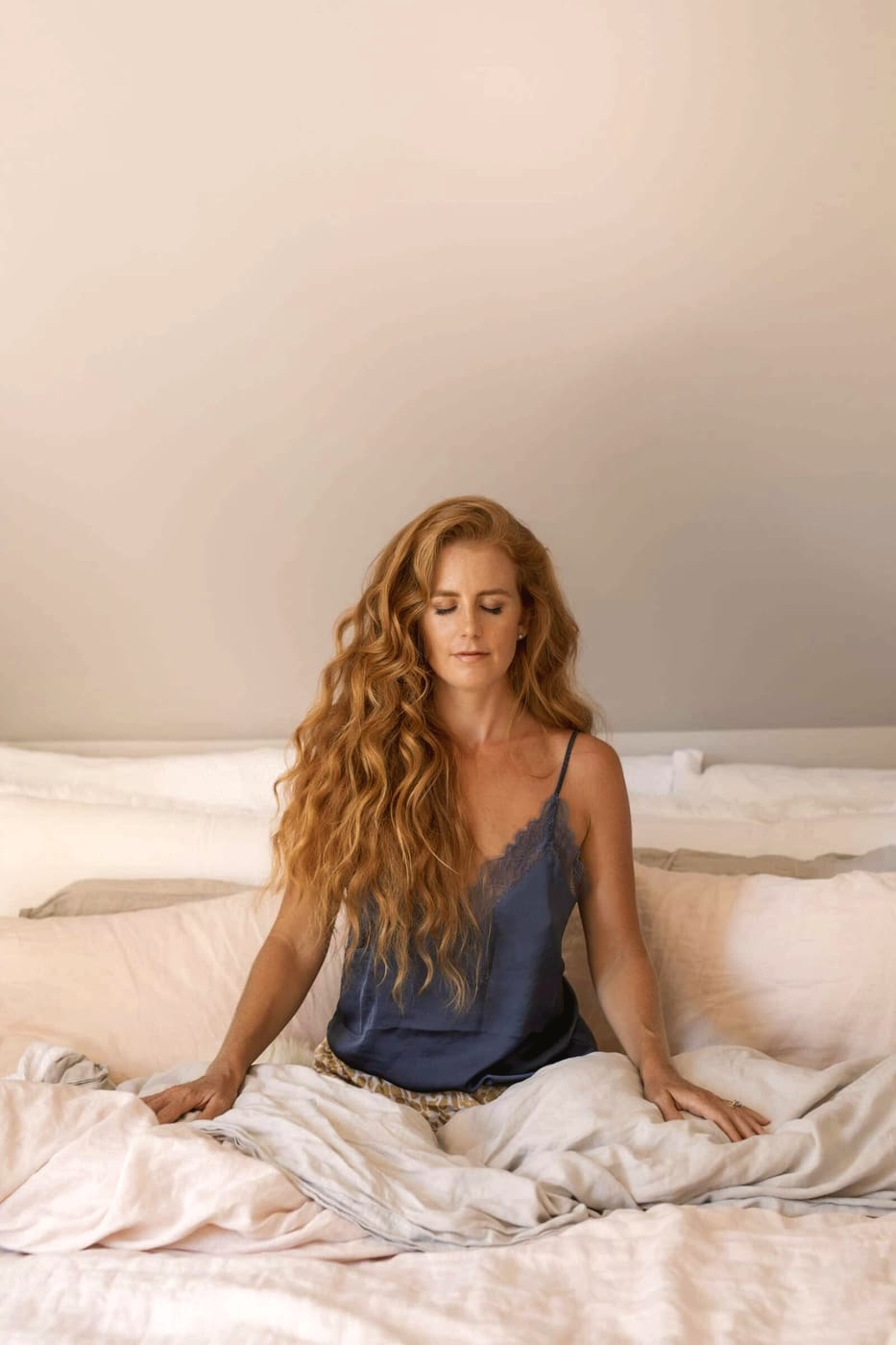

Yoga Teacher
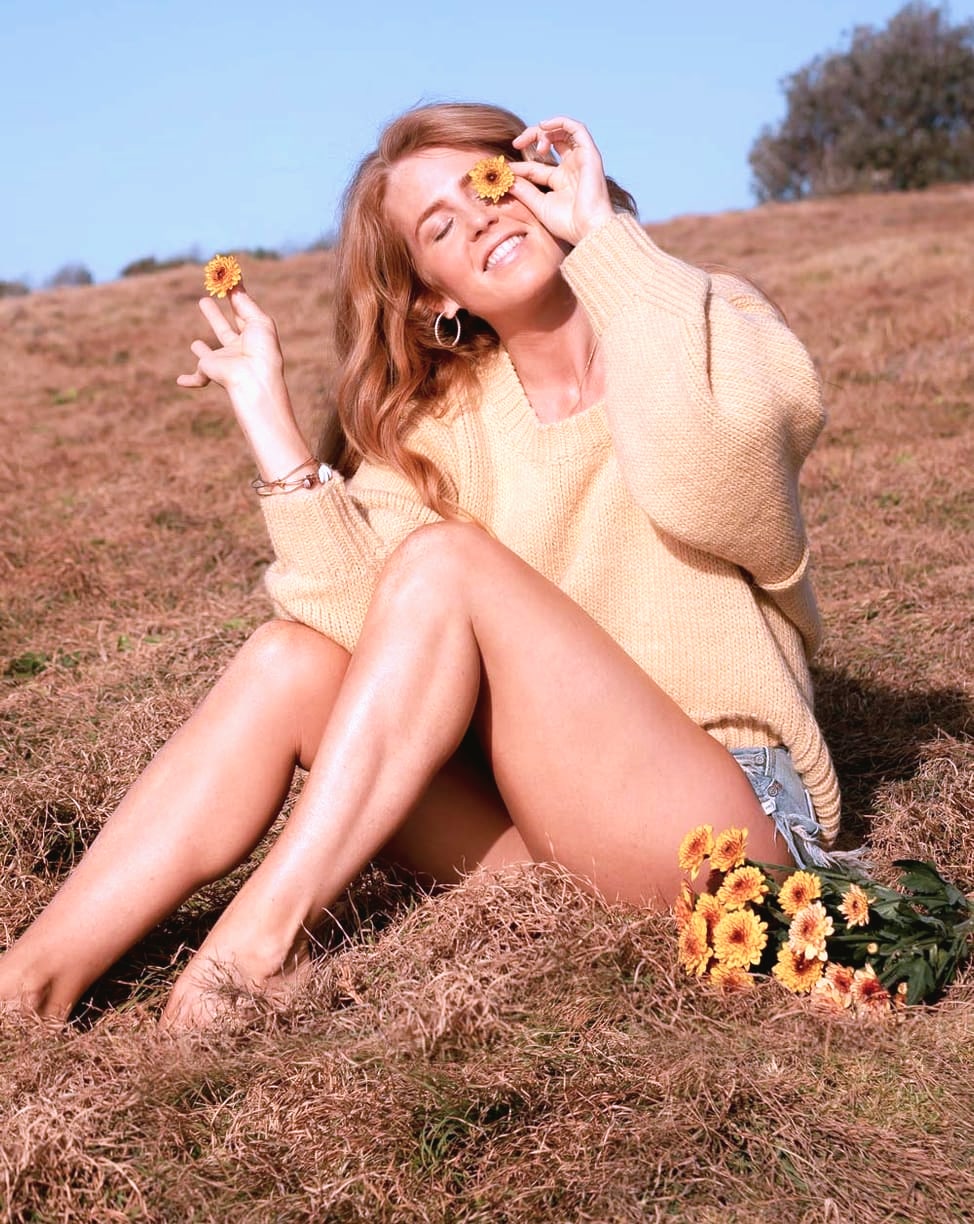
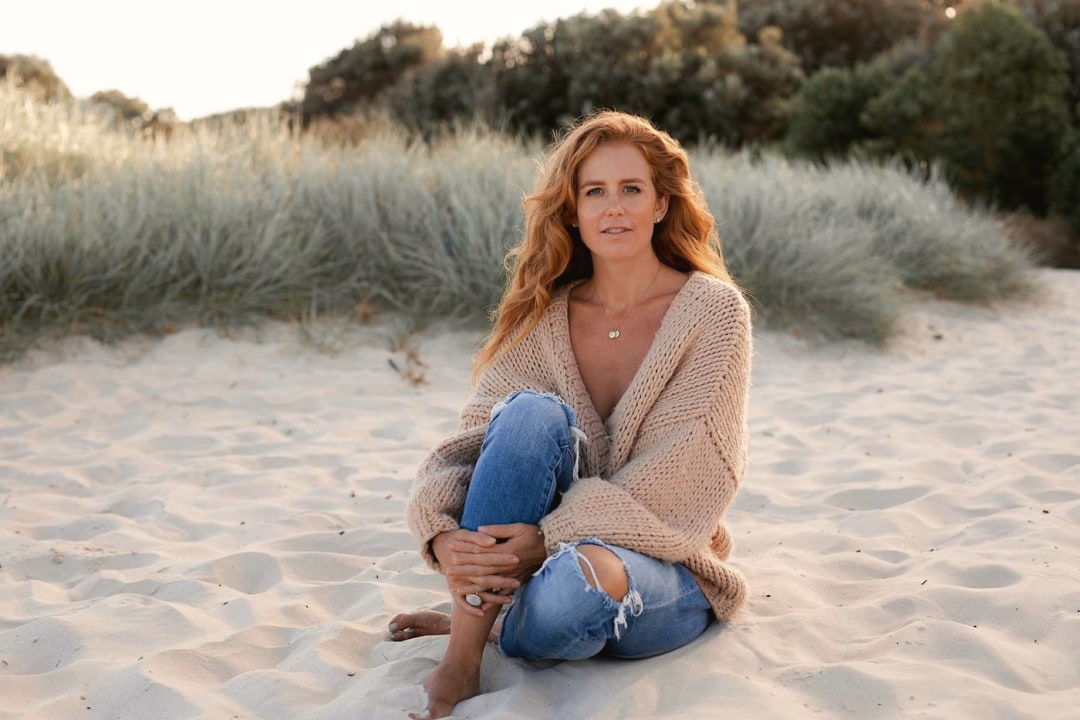
Caitlin Cady is an author, certified yoga and meditation teacher, and the creator of Heavily Meditated. Australian Yoga Journal has called her a "wellbeing whiz", and her relatable, playful approach has reached people across the globe. She holds certifications in Yoga, Pranayama, Meditation and Somatic Stress Release.
Caitlin Cady is an author, certified yoga and meditation teacher, and the creator of Heavily Meditated. Australian Yoga Journal has called her a "wellbeing whiz", and her relatable, playful approach has reached people across the globe. She holds certifications in Yoga, Pranayama, Meditation and Somatic Stress Release.
Her path to teaching began after a decade-long battle with chronic Lyme disease, compounded by years of depression, anxiety, perfectionism, over-achievement and disordered eating. She turned to meditation as a last resort, and it set her on a path to holistic wellness, happiness and freedom from Lyme disease. That experience led her to make meditation more accessible.
Her teaching draws on years of practice and study in Hatha Yoga, Tantra and Ayurveda, and focuses on reconnecting with calm, peace and joy, and on cultivating the courage to meet self-doubt, perfectionism, fear and anxiety. Her first book, Heavily Meditated: Your Down-to-Earth Guide to Learning Meditation and Getting High on Life, was published in 2020 by Hardie Grant Books, and was followed by the Heavily Meditated App, a guided meditation app. Her second book, The Hope Dealer, was published by Affirm Press in Australia in December 2022 and by Hay House in the USA and UK in July 2023. She also offers workplace meditation sessions and speaking.
American by birth, Caitlin lives with her husband and three children on Bundjalung Country, Byron Bay, Australia.
Caitlin Cady is an author, certified yoga teacher, and meditation instructor based in Byron Bay, Australia, who built a following by making ancient contemplative practices feel accessible rather than precious. Her defining approach—which she calls being a "hope dealer"—combines genuine expertise in Hatha Yoga, Tantra, and Ayurveda with a candid, relatable teaching voice that cuts through both the wellness-industry marketing and the austere gatekeeping that often surrounds meditation practice. What distinguishes her in a crowded field is her refusal to perform transcendence: she teaches from her own history of chronic Lyme disease, depression, anxiety, and perfectionism, openly naming meditation not as a shortcut to enlightenment but as a practical tool for healing and reclaiming joy. Her books Heavily Meditated (2020) and The Hope Dealer (2023), along with her guided meditation app, have reached audiences specifically looking for instruction that acknowledges both the scientific basis for practice and the emotional complexity of starting one. Australian Yoga Journal named her a "wellbeing whiz," and Vogue Australia called Heavily Meditated "the coolest book on meditation"—recognition that speaks to her ability to speak both to skeptics and to seasoned practitioners in a voice that feels contemporary without being trendy.
Caitlin Cady's teaching draws explicitly from three intertwined traditions: Hatha Yoga, Tantra, and Ayurveda, all of which she has studied and holds formal certifications in alongside meditation and Pranayama (breath work). These aren't merely names on a resume—her actual teaching methodology reflects the Hatha tradition's systematic approach to physical posture and breath, Tantra's framework for working with energy and acceptance of the body as a path to wisdom rather than something to transcend, and Ayurveda's individualized approach to wellness based on constitution and imbalance. She also holds certifications in Somatic Stress Release, which grounds her practice in contemporary nervous-system science and trauma-informed teaching—a bridge between traditional lineage knowledge and modern neurobiology. Her lineage is pluralistic and practical rather than devotional; she's not asking students to adopt a guru tradition or recite Sanskrit chants as prerequisites, but instead building a contemporary toolbox that respects the depth of these traditions while making them applicable to lives lived in cities, workplaces, and family systems where stress is structural rather than occasional. This integration of classical wisdom with modern psychological and somatic frameworks distinguishes her approach from teachers working within a single lineage or from those treating these traditions as aesthetic rather than active practice.
The most direct entry point is her first book, Heavily Meditated: Your Down-to-Earth Guide to Learning Meditation and Getting High on Life (Hardie Grant Books, 2020), which frames itself explicitly as an on-ramp for beginners and skeptics rather than a deep-dive for adepts. The book combines practical guidance on setting up a practice with Caitlin's personal narrative about how meditation became her lifeline after years of wrestling with depression, anxiety, over-achievement, and disordered eating—so newcomers get both instruction and permission to start wherever they are. From there, the Heavily Meditated App (available for download) offers guided meditation sessions that follow the teaching framework from the book, making it easy to test a practice before committing to longer retreats or courses. If you're drawn to her work but prefer a different entry point, her articles in publications like Marie Claire, Real Living, and Women's Health give a clear sense of her teaching voice and sensibility—accessible, unsentimental, grounded in both ancient practice and lived experience. Avoid starting with The Hope Dealer (2023) unless you're already comfortable with meditation basics; that book assumes some foundational practice and goes deeper into psychological resilience, courage, and joy, making it a better second step.
In a meditation-teaching landscape crowded with both Silicon Valley optimization-speak and New Age spiritual materialism, Caitlin Cady stands out for her refusal to promise quick transformation or spiritual bypass. Her trademark move is naming the actual obstacles her students face—perfectionism, shame, the belief that meditation requires achieving a "blank mind," the guilt of struggling with consistency—and then offering both permission and technique to work with those obstacles rather than around them. She has Hatha Yoga and Tantra training, which means her teaching treats the body and breath as central to practice (not secondary), and her Ayurveda knowledge allows her to individualize recommendations based on constitution rather than prescribing one-size-fits-all protocols. What also separates her: her personal story of healing from chronic Lyme disease through practice is woven into her teaching not as inspiration porn but as evidence that meditation is a legitimate healing modality with real neurobiological effects. The playful tone—she describes herself as a "hope dealer"—keeps the work grounded in real life rather than elevated into spiritual tourism; students and readers consistently report that her writing and teaching feel like they're from a trusted friend rather than from a distant authority. Most meditation teachers either lean heavily into lineage credentials (which can create gatekeeping) or into lifestyle branding (which can empty the practice of substance); Caitlin has managed to honor both the depth of her training and the accessibility of her voice.
Caitlin's teaching is explicitly designed to be playful, relatable, and psychologically astute—which means it may not suit someone seeking the aesthetics or methodology of rigid, austere, or highly disciplined lineages like Theravada Buddhism or classical Hatha Raja Yoga in its most traditional form. If you're looking for a teacher immersed in Sanskrit philosophy, tantric ritual, or the formalism of guru-disciple transmission, you'll find her work too contemporary and demystified. Similarly, her approach won't appeal to students seeking to transcend the psychological self or move past emotional processing; her teaching explicitly includes working with the emotions, with self-doubt, and with the body's story of trauma and healing, so if you prefer practices that minimize psychological engagement, this framework may feel too introspective. Her books and app are also grounded in secular, scientifically-literate framing—which many seekers appreciate but which might feel reductive to practitioners committed to purely religious or purely mystical approaches to meditation. Additionally, while she offers workplace talks and group sessions, her primary output is self-directed (books, app, individual articles), so if you need ongoing in-person community, consistent workshop schedules, or retreat residencies, you'll need to check her current offerings or supplement her work with other teachers or sanghas. Her work is built for individuals navigating modern life with intelligence and humor—if that's not your orientation, it's fair to look elsewhere.
The primary hub for Caitlin's work is her website at caitlincady.com, where she updates information about workshops, meditation sessions, and new releases. Since she's based in Byron Bay, Australia (on Bundjalung Country), many of her offerings center on that region, though she also provides online sessions and accepts speaking engagements for workplace keynotes; her website will clarify which events are location-specific and which are accessible remotely. Her app, Heavily Meditated, also serves as a channel for new guided meditations and practice updates. For broader awareness of her teaching and philosophy, follow her published articles in magazines including Marie Claire, Real Living, Prevention, and Women's Health, which often coincide with book releases and new course launches. If you're interested in her books, both Heavily Meditated (2020) and The Hope Dealer (2023) are available through major retailers; tracking when Hay House (her US/UK publisher) announces new releases will signal any upcoming books or expanded offerings. Checking her website directly remains the most reliable way to stay informed about event scheduling, app updates, and new work.
Caitlin's teaching style is consistently described as warm, playful, and unafraid of directness—she creates space for both humor and genuine depth without requiring students to perform spiritual sophistication or pretend that meditation is always blissful. Her framework, informed by her training in Hatha Yoga, Tantra, Ayurveda, and Somatic Stress Release, is systematic and body-inclusive; rather than floating into abstraction, she meets students where they are emotionally and somatically, often beginning by naming the nervous-system state that brought someone to practice in the first place. In her writing and talks (and the guided meditations on her app), she weaves together practical technique with psychological insight and lived example—you're not receiving instructions from a neutral facilitator but from someone who has walked the same path of using meditation to heal from depression, anxiety, and chronic illness. Her approach to group teaching emphasizes accessibility and permission; she's known for saying things like "your mind will wander; that's not failure" and "meditation looks different in every body"—language that releases students from perfectionism and the belief that they're doing it wrong. Because her teaching draws on Tantra's framework of acceptance and embodiment rather than transcendence, there's an emphasis on working with what arises (sensation, emotion, resistance) rather than trying to bypass it; students report feeling validated in their complexity rather than told to "let go."
Her work consistently circles around several core themes: the relationship between the nervous system, the body, and emotional resilience; the role of meditation in healing from trauma, anxiety, and chronic illness (drawing on her own history); the decoupling of meditation practice from perfectionism and spiritual materialism; and the reclamation of joy, peace, and hope as active practices rather than states to passively wait for. A second tier of recurring themes includes working with self-doubt and shame (particularly as they relate to "failing" at meditation or yoga), the integration of ancient wisdom with contemporary neuroscience, and the invitation to see wellness as holistic—hence her emphasis on Ayurveda and constitutional medicine alongside meditation and pranayama. Her teaching also emphasizes playfulness and humor as legitimate parts of spiritual practice; she resists the solemnity that often surrounds yoga and meditation, instead modeling a kind of lightness that doesn't diminish depth. In The Hope Dealer, her second book, you'll notice a deepening around courage—not the Hollywood version of courage, but the quiet courage it takes to stay vulnerable, to keep practicing, to metabolize fear through meditation rather than by force of will. Throughout her work (books, app, articles), there's a consistent thread of making the practices of Hatha Yoga, Tantra, Pranayama, and meditation accessible to people living with real constraints—jobs, families, mental health histories, financial limits—rather than reserving these tools for people with time, money, or existing spiritual infrastructure.
Yes—her primary output for independent study is substantial. She has published two books: Heavily Meditated: Your Down-to-Earth Guide to Learning Meditation and Getting High on Life (2020, Hardie Grant Books), which combines personal narrative with practical meditation instruction and has been called "the coolest book on meditation" by Vogue Australia and "life-changing" by Better Homes and Gardens; and The Hope Dealer (2022 in Australia via Affirm Press, 2023 in the USA and UK via Hay House), which builds on meditation foundations to explore resilience, courage, and joy. Both books are available in print and audio formats, making them accessible whether you prefer reading or listening. She also created the Heavily Meditated App, a guided meditation application that offers structured practice sessions and new recordings; this is a direct extension of her teaching methodology and allows students to practice with her voice as a consistent guide. Beyond her books and app, her articles have appeared in Marie Claire, Real Living, Prevention, Nourished, Women's Health, and on the websites of Vogue, The Grace Tales, and Fashion Journal—these pieces function as shorter teaching essays and often distill her key frameworks around meditation, anxiety, perfectionism, and wellness into accessible formats. For those seeking to study her work most deeply, starting with Heavily Meditated and then moving to the app for consistent practice, followed by The Hope Dealer for the deeper thematic layers, creates a coherent self-study curriculum that mirrors how someone might progress through formal instruction.
No—her work is explicitly designed for complete beginners and skeptics, and she addresses this directly in Heavily Meditated by naming common objections ("I can't quiet my mind," "Meditation isn't for me," "I don't have time") and working through them without condescension. What you do need is a basic willingness to try, even when you're unsure it will work; cynicism is fine (she teaches a secular, science-informed meditation), but active resistance to the experiment itself will make her books or app less useful. If you're coming to her work with prior yoga or meditation experience, you'll find additional layers of sophistication around Hatha Yoga, Tantra, Ayurveda, and Pranayama certification that she references; but she teaches these in a way that assumes only that you're curious, not that you already know Sanskrit or have studied the history of these traditions. Her Ayurvedic framework (constitutional types, the doshas) is explained clearly enough that you don't need prior exposure, though having studied Ayurveda independently will deepen your appreciation of her individualized approach to practice. The psychological and nervous-system concepts she draws on—somatic awareness, trauma responsiveness, nervous-system regulation—are modern frameworks that she teaches to a lay audience without requiring neuroscience background. In sum: no prior experience is necessary, but genuine curiosity and a willingness to sit with discomfort (both in meditation and in reading about your own patterns) are prerequisites for getting real value from her work.
ご本人ですか? このページを登録 ›
BrightStar is the global directory of artists, teachers, and healers in the wellness and spiritual movement. Find your next experience — or add yourself.
Browse 14,000+ curated profiles across kirtan, yoga, meditation, and beyond.
Explore directory →Kirtan, retreats, sound baths, breathwork, ceremonies — happening this week.
Browse events →Are you an artist, teacher, or healer? Get listed — free, AI-assisted, live in minutes.
Get started →