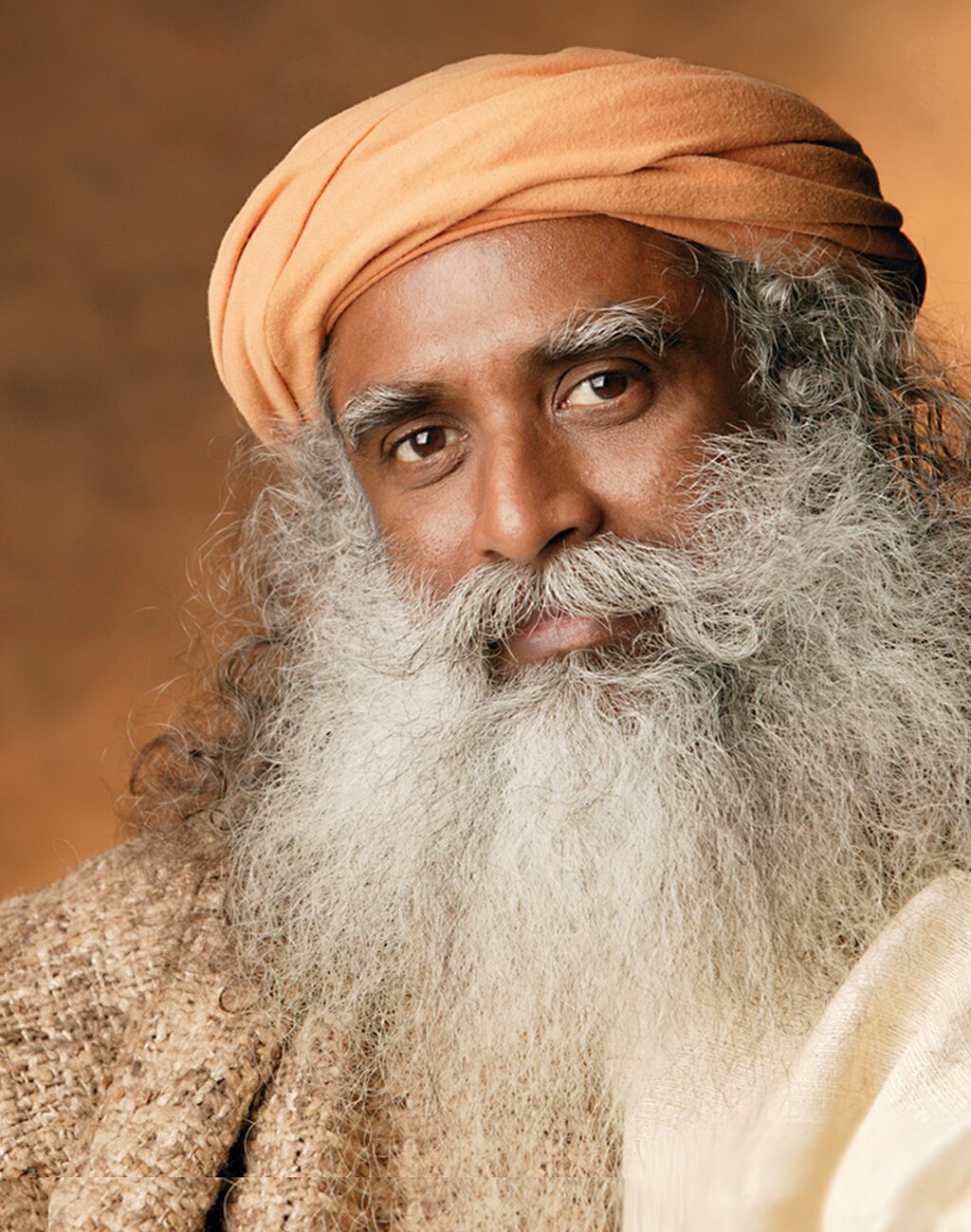
Sadhguru's assertion that "suffering is in the mind. Bliss is in the body — when the mind doesn't interfere" invites us to explore the intricate relationship between our mental states and physical experiences. This profound statement suggests that our perception of suffering is often a construct of the mind, while true bliss resides within the body, accessible when we quiet the incessant chatter of our thoughts. Understanding this dynamic is crucial, as it holds the potential to transform our experience of life, allowing us to navigate challenges with greater ease and joy.
As we delve deeper into this quote, we recognize that it speaks to a fundamental truth about human existence: the mind can be both a source of suffering and a barrier to experiencing bliss. In a world where we often find ourselves entangled in worries, regrets, and anxieties, Sadhguru's words serve as a reminder that liberation from suffering is possible. By learning to disengage from the mental narratives that bind us, we can cultivate a state of being that is more aligned with our innate capacity for joy and fulfillment.
The image / the metaphor
The imagery in Sadhguru's quote evokes a vivid contrast between the mind and the body, suggesting that the former can entrap us in a cycle of suffering while the latter holds the key to bliss. The verbs "interfere" and "reside" are particularly telling; they imply an active engagement of the mind that disrupts the natural state of the body. This notion invites us to visualize the mind as a turbulent sea, filled with waves of thoughts and emotions, while the body represents a serene landscape, waiting to be experienced in its fullness.
Diving deeper into this metaphor, we can see the mind's interference as a veil that obscures our perception of reality. When we allow our thoughts to dominate our experience, we become disconnected from the physical sensations that can lead us to bliss. In this sense, the quote encourages us to cultivate mindfulness and presence, to peel away the layers of mental distraction and reconnect with the body, where true joy resides. It is a call to embrace the simplicity of being, to feel the warmth of the sun on our skin, the rhythm of our breath, and the pulse of life flowing through us.
In the speaker's tradition
Sadhguru's insights are deeply rooted in the yogic tradition, which emphasizes the interconnectedness of mind, body, and spirit. Concepts such as dharma, or one's life purpose, and prajna, or wisdom, are essential in understanding how we can align our mental and physical states to experience bliss. In yoga, the practice often involves transcending the limitations of the mind to access deeper states of consciousness, echoing Sadhguru's assertion that suffering is a mental construct that can be overcome.
Moreover, the teachings of yoga often reference the idea of kenosis, or self-emptying, which aligns with the notion of letting go of the mind's interference. In texts such as the Bhagavad Gita, we find the encouragement to perform actions without attachment to outcomes, which resonates with Sadhguru's message. By surrendering our mental preoccupations, we can open ourselves to the bliss that exists in the present moment, free from the burdens of past regrets and future anxieties.
Living the teaching
Consider a modern scenario where this teaching can be applied: a busy professional overwhelmed by deadlines and responsibilities. In such a situation, the mind may spiral into a cycle of stress and anxiety, perceiving every task as a source of suffering. By recognizing that this suffering is a mental construct, the individual can practice mindfulness techniques, such as deep breathing or body awareness, to reconnect with the physical sensations of the present moment. This shift allows them to experience a sense of calm and clarity, transforming their approach to work and life.
Another application of Sadhguru's teaching can be found in interpersonal relationships. Imagine a moment of conflict where emotions run high, and the mind begins to churn with negative thoughts and judgments. By consciously choosing to step back and observe these thoughts without attachment, one can create space for compassion and understanding. This practice not only alleviates suffering but also fosters deeper connections, as both parties can engage from a place of presence rather than reactivity, ultimately leading to a more blissful interaction.
A reflection
As we reflect on Sadhguru's profound insight, we are invited to consider: How often do I allow my mind to dictate my experience of suffering, and how can I cultivate a deeper connection with my body to access the bliss that lies within? This contemplative question encourages us to explore the ways in which we can quiet the mind's interference and embrace the fullness of our physical existence. In doing so, we may discover that bliss is not a distant goal but a state of being that is always available to us, waiting to be realized.