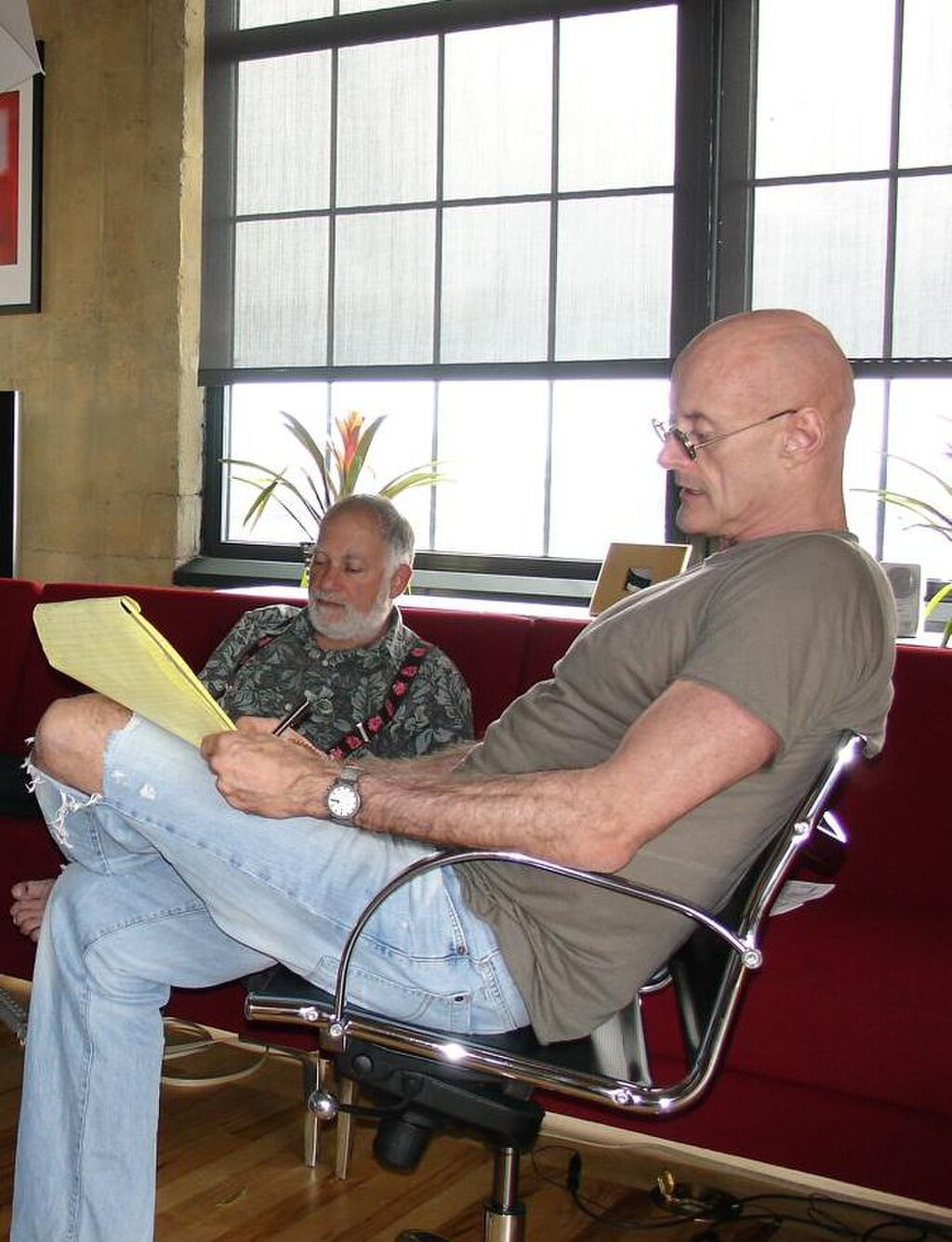
In the quote, "The witness is what you have always been. Notice it," Ken Wilber invites us to recognize a fundamental aspect of our being—the witness, the observer that exists beyond the fluctuations of thought and emotion. This statement serves as a profound reminder that our true essence is not defined by our experiences but rather by the awareness that observes them. Understanding this distinction is crucial for anyone seeking deeper self-awareness and spiritual growth.
Wilber's call to notice the witness is not merely an intellectual exercise; it is an invitation to engage in a transformative practice that can lead to profound insights about our nature. By cultivating this awareness, we can begin to disentangle ourselves from the narratives that often dominate our lives, allowing us to experience a more expansive sense of self. This exploration into the witness consciousness can illuminate the path toward inner peace and clarity, making it a vital pursuit for those on a spiritual journey.
The image / the metaphor
The imagery in Wilber's quote evokes a sense of stillness and observation. The term "witness" suggests a presence that is both passive and active; it observes without judgment, allowing experiences to unfold without interference. The verb "notice" implies a gentle awakening, a conscious act of bringing attention to something that has always been there, yet often overlooked. This subtle shift in focus from the chaotic stream of thoughts to the calm observer can be likened to stepping back from a painting to appreciate its entirety rather than getting lost in the details.
Diving deeper into the metaphor, the witness represents a timeless aspect of consciousness that transcends individual experiences. It is akin to the sky that holds all weather patterns—sunshine, storms, and clouds—without being affected by them. This metaphor invites us to consider our own consciousness as a vast expanse, capable of holding the myriad experiences of life while remaining untouched by their transient nature. Recognizing ourselves as the witness allows us to cultivate a sense of detachment and equanimity, fostering resilience in the face of life's inevitable challenges.
In the speaker's tradition
Ken Wilber's teachings are rooted in the integral tradition, which seeks to synthesize various spiritual and philosophical perspectives into a cohesive understanding of consciousness. The concept of the witness aligns closely with ideas found in Eastern philosophies, such as the notion of "sunyata" or emptiness in Buddhism, which emphasizes the importance of recognizing the impermanent nature of all phenomena. Additionally, the practice of "kenosis," or self-emptying, resonates with the idea of relinquishing the ego's grip to experience a more profound state of awareness.
In his seminal work, "The Spectrum of Consciousness," Wilber explores the layers of consciousness that contribute to our understanding of self and reality. He draws parallels between the witness and the concept of "prajna," or wisdom, which arises from a deep understanding of the interconnectedness of all things. This wisdom allows us to see beyond the surface of our experiences, recognizing the witness as the unchanging essence that observes the ever-changing landscape of our lives.
Living the teaching
Consider a modern scenario where this teaching can be applied: imagine a moment of frustration during a hectic day at work. Instead of becoming entangled in the emotions of stress and irritation, one can pause and invoke the witness within. By stepping back and observing the situation without judgment, the individual can gain clarity and perspective, allowing for a more measured response rather than a reactive one. This practice of witnessing transforms the experience from one of chaos to one of understanding, fostering a sense of calm amidst the storm.
In the context of relationships, the teaching of the witness can be equally transformative. During a disagreement with a loved one, instead of getting caught up in the heat of the moment, one can practice noticing the witness—the part of oneself that observes the unfolding dynamics without attachment. This shift can create space for empathy and understanding, allowing both parties to communicate more effectively and compassionately. By embodying the witness, we cultivate a deeper connection with ourselves and others, enriching our relationships with presence and awareness.
A reflection
As we reflect on Wilber's profound invitation to notice the witness within, we are called to consider how often we allow ourselves to be swept away by the currents of our thoughts and emotions. In what moments can we pause and cultivate the awareness of the witness, allowing us to experience life from a place of deeper understanding? This contemplative question invites us to explore the practice of witnessing in our daily lives, encouraging us to embrace the stillness that lies at the core of our being.


