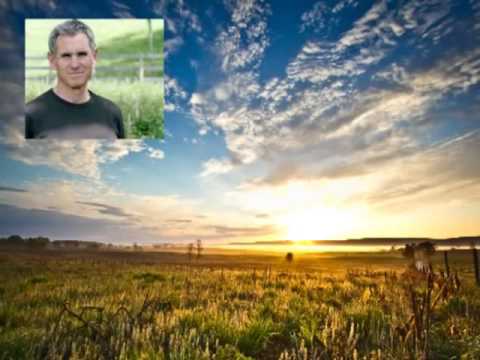
Jon Kabat-Zinn's assertion that "Mindfulness is not about getting anywhere. It's about being where you already are" invites us to reconsider our relationship with time and existence. In a world that often prioritizes achievement and future aspirations, this quote serves as a gentle reminder that the essence of mindfulness lies in fully inhabiting the present moment. It challenges us to shift our focus from a relentless pursuit of goals to an appreciation of our current state of being, which is where true awareness and peace reside.
This perspective is particularly poignant in our fast-paced lives, where distractions abound and the pressure to succeed can overshadow the simple beauty of existence. Kabat-Zinn's words encourage us to cultivate a deeper awareness of our thoughts, feelings, and surroundings, fostering a sense of acceptance and presence. By embracing the here and now, we can unlock a profound sense of fulfillment that transcends the superficial markers of success, leading us to a more authentic and meaningful life.
The image / the metaphor
The imagery in Kabat-Zinn's quote evokes a sense of grounding and stability. The verbs "getting" and "being" contrast two distinct modes of existence: one that is often characterized by striving and ambition, and another that embodies acceptance and presence. To "get" implies a journey, a movement toward a destination, while "being" suggests a state of existence that is already complete. This subtle yet powerful distinction invites us to reflect on our habitual tendencies to chase after future goals, often at the expense of experiencing the richness of our current lives.
In the speaker's tradition
Jon Kabat-Zinn's teachings are deeply rooted in the tradition of mindfulness, which draws from various contemplative practices, including Buddhism. Central to this tradition is the concept of "sunyata," or emptiness, which encourages us to let go of attachments and preconceived notions about our lives. By recognizing the impermanence of all things, we can cultivate a sense of freedom that allows us to fully inhabit the present moment. This aligns with the practice of "kenosis," or self-emptying, where we release our desires for control and outcomes, opening ourselves to the richness of our current experience.
In his seminal work, "Wherever You Go, There You Are," Kabat-Zinn emphasizes the importance of being present as a pathway to inner peace. This resonates with the teachings of the Buddha, who encouraged mindfulness as a means to awaken to the truth of our existence. By grounding ourselves in the present, we can cultivate "prajna," or wisdom, which arises from direct experience rather than intellectual understanding. This wisdom allows us to navigate life's challenges with grace and clarity, fostering a deeper connection to ourselves and others.
Living the teaching
Consider a modern scenario where this teaching can be applied: a busy professional navigating the demands of work and family life. In the midst of deadlines and responsibilities, it is easy to become consumed by the need to "get" things done, often leading to stress and burnout. By embracing Kabat-Zinn's teaching, this individual can practice mindfulness by pausing to breathe and reconnect with the present moment, allowing them to approach their tasks with greater clarity and focus. This shift not only enhances productivity but also fosters a sense of peace amidst the chaos.
Another application of this teaching can be found in interpersonal relationships. Imagine a moment of conflict with a loved one, where emotions run high and misunderstandings abound. Instead of reacting impulsively or seeking to "get" resolution quickly, one can practice mindfulness by taking a step back, grounding themselves in the present, and truly listening to the other person. This approach not only deepens understanding but also nurtures compassion, allowing for a more authentic connection that transcends the immediate desire for resolution.
A reflection
As we contemplate Kabat-Zinn's profound insight, we are invited to explore the nature of our own existence. How often do we find ourselves caught in the web of future aspirations, neglecting the beauty of the present moment? In what ways can we cultivate a deeper awareness of our current experiences, allowing ourselves to fully embrace the richness of life as it unfolds? Reflecting on these questions can guide us toward a more mindful and fulfilling existence, rooted in the here and now.