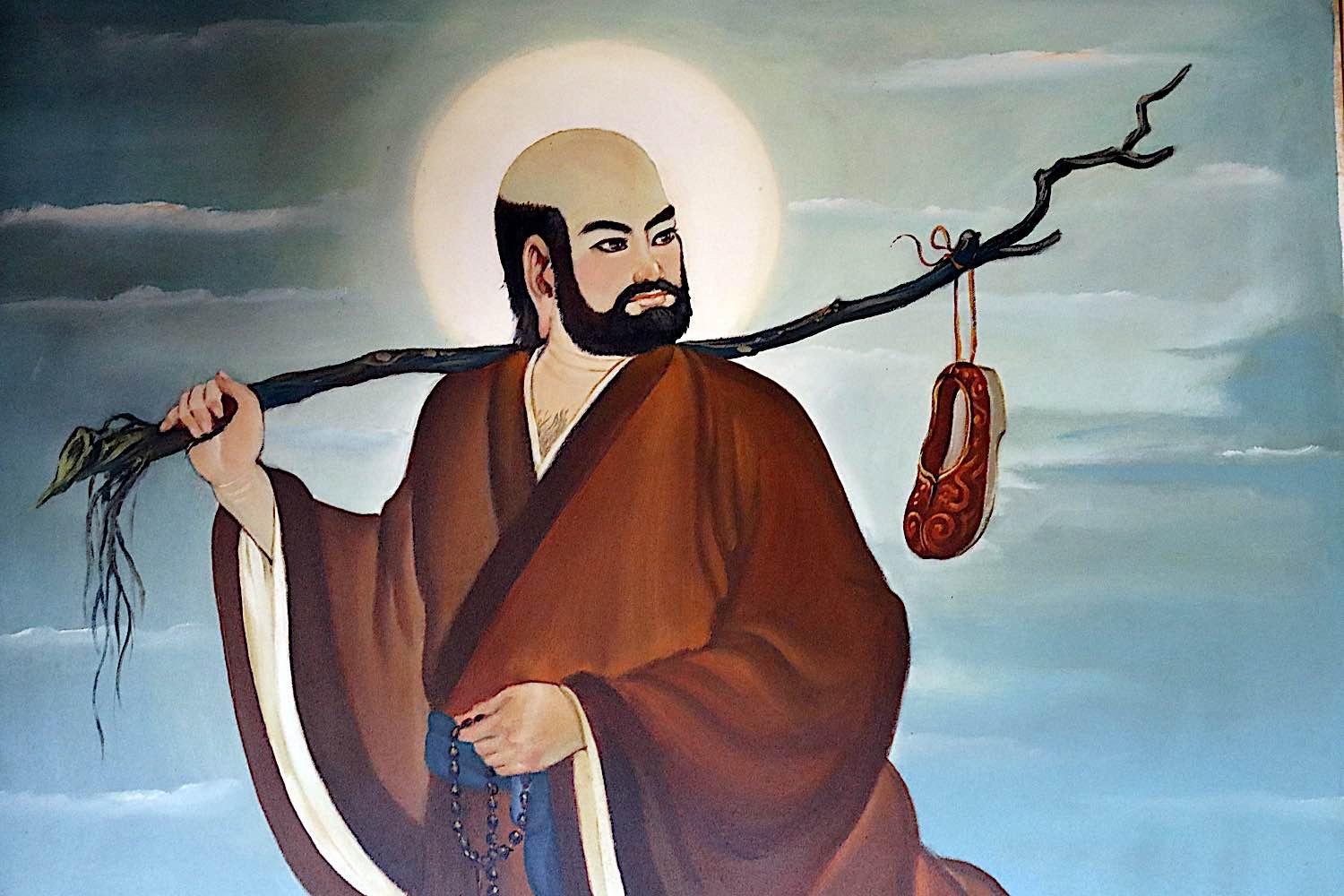
Seeing Beyond the Surface: The Essence of Practice
Bodhidharma's assertion, "Without seeing your nature, the most diligent practice is in vain," invites us to reflect on the profound relationship between self-awareness and spiritual practice. At its core, this statement emphasizes that no amount of effort in meditation or ritual can substitute for a deep understanding of one's true nature. This understanding is not merely an intellectual exercise; it is a transformative experience that shapes our spiritual journey and informs our actions in the world.
In a culture that often prioritizes productivity and external achievements, Bodhidharma's words serve as a gentle reminder of the importance of inner vision. To "see your nature" is to engage in a process of self-discovery that transcends superficial accomplishments. It challenges us to look beyond the distractions of daily life and to confront the essence of who we are, thereby grounding our practices in authenticity and meaning.
The image / the metaphor
The imagery in Bodhidharma's quote is striking in its simplicity yet profound in its implications. The phrase "seeing your nature" evokes a sense of clarity and insight, suggesting that true understanding requires more than mere observation; it demands a deep, penetrating awareness. The verbs "seeing" and "practice" are pivotal here, as they imply an active engagement with one's inner landscape rather than a passive acceptance of external forms.
Diving deeper into the metaphor, we can understand "seeing" as a form of awakening—an illumination of the mind that allows us to perceive the underlying truths of our existence. This act of seeing is not just about recognizing our flaws or virtues; it is about grasping the essence of our being, which is often obscured by layers of conditioning and distraction. In this light, diligent practice becomes a means to peel away those layers, revealing the authentic self that lies beneath.
In the speaker's tradition
Bodhidharma, the legendary figure credited with bringing Zen Buddhism to China, emphasizes the importance of direct experience in understanding one's nature. This aligns with the Zen concept of "dharma," which refers to the truth or law that governs the universe and our place within it. In Zen, the journey toward enlightenment is often described as a process of "kenosis," or self-emptying, where one sheds preconceived notions and attachments to discover the true self, or "sunyata," the emptiness that is full of potential.
In his "Bloodstream Sermon," Bodhidharma articulates the necessity of realizing one's true nature as a prerequisite for genuine practice. This idea resonates with the teachings found in other Zen texts, such as the "Heart Sutra," which speaks of the emptiness of all phenomena and the interconnectedness of existence. Just as the Heart Sutra invites us to see beyond dualities, Bodhidharma's teaching urges us to look beyond the surface of our lives to uncover the deeper truths that lie within.
Living the teaching
Consider a modern scenario where this teaching might resonate: a dedicated practitioner who spends hours in meditation yet feels unfulfilled. Despite their diligence, they may find themselves caught in a cycle of striving, constantly seeking the next achievement or insight. In this context, Bodhidharma's words serve as a wake-up call, urging the practitioner to pause and reflect on their motivations and the essence of their practice. Are they truly engaging with their nature, or are they merely performing rituals without understanding their significance?
This teaching also finds application in interpersonal relationships. Imagine a situation where misunderstandings arise between friends or partners. Often, we may focus on resolving conflicts through external means—discussions, apologies, or compromises—without first examining our own feelings and motivations. By taking the time to "see our nature," we can approach these relationships with greater empathy and authenticity, fostering deeper connections that are rooted in mutual understanding rather than surface-level resolutions.
A reflection
As we contemplate Bodhidharma's profound insight, we are invited to ask ourselves: What does it mean for me to truly see my nature? This question encourages us to engage in a process of introspection, examining our beliefs, desires, and fears. In doing so, we may uncover the layers that obscure our true selves, allowing our spiritual practices to become more meaningful and transformative. In this journey of self-discovery, we find that the essence of practice lies not in the effort itself, but in the clarity of vision that guides it.
