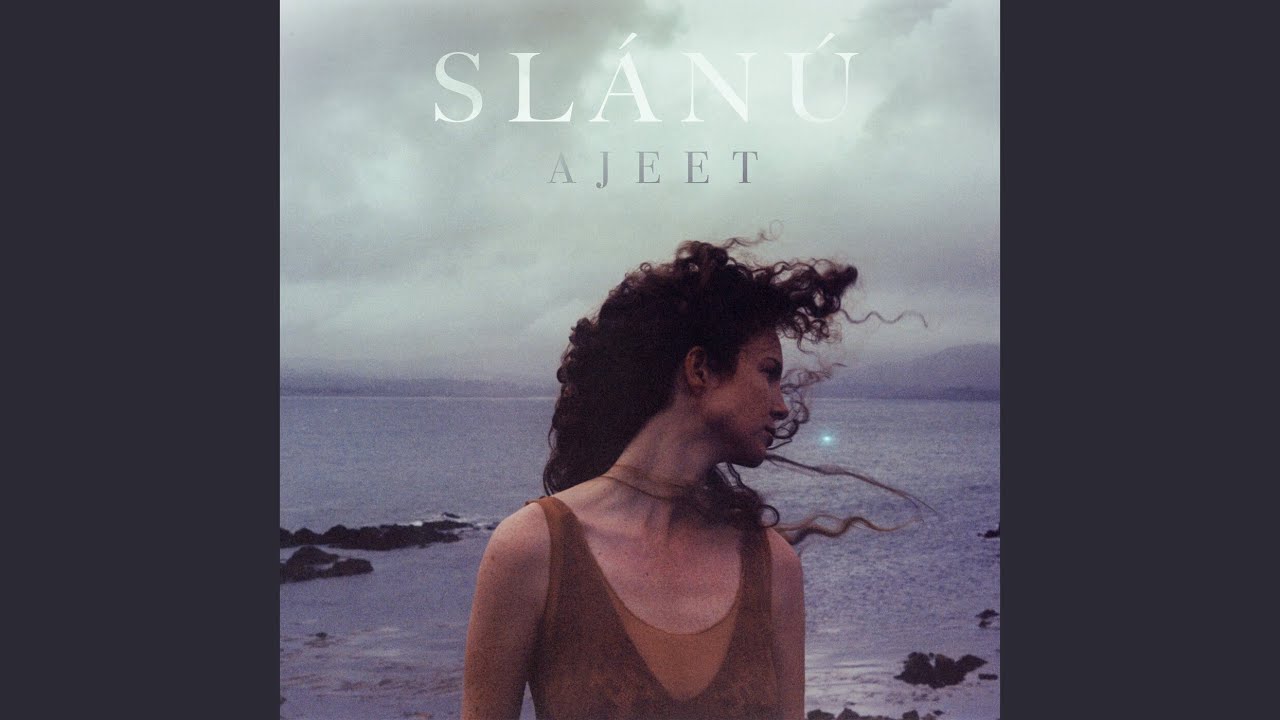
"Para La Tierra" is a recorded song whose title does most of the explaining: Spanish for "for the earth." Listed on YouTube alongside the title Slánú and a 2025 publishing copyright held by Spirit Voyage Publishing, it is a studio piece built on a lead vocal from Maria Ambiwasi and a dense, layered arrangement of acoustic and electric guitars, bouzouki, harp, cello, violin, flute, piano and percussion. The video is a music upload with no spoken commentary and no transcript, so what follows works from the published credits and listing, not from anything the artist said on camera.
The phrase translates directly from Spanish as "for the earth," and the title is the most explicit statement the listing offers about the song's intent. The description does not expand on the dedication, offer lyrics, or explain how the phrase relates to the album name. Anyone hoping for a liner-note account of the song's origin will find only the title itself, which is worth taking seriously as the one piece of stated purpose available.
The credits list eight performers, plus a mastering engineer, and several players appear in more than one role. The lineup as published:
- Siobhan Moore: lead vocals, acoustic guitar, piano, bouzouki, percussion, and also credited as sound engineer and producer
- Maria Ambiwasi: vocals
- Shannon Hayden: cello and violin
- Sam Killeen: electric guitar, bouzouki, acoustic guitar
- Aisling Urwin: harp and background vocals
- Maneesh de Moor: flute, piano and background vocals
- Jared May: bass
- Raffa Martinez: percussion and background vocals
- Piper Payne: mastering engineer
Two details stand out. Moore's name appears across the most roles, from writing and production to the instrument-by-instrument playing, which points to a central figure in the making of the record. And the bouzouki, a long-necked plucked instrument associated with Greek music, is credited to two different players, so it likely carries a melodic or textural role across the track rather than a single passing part.
The composer and lyricist credits go to Nirmal Khalsa and Siobhan Moore. The listing does not say how the writing was divided, whether the lyrics were written separately from the music, or whether the song was developed in the studio with the full ensemble. Credits in this format rarely tell that story, and the reader should not assume more than the names provide.
The credits sketch a palette worth listening for. Plucked strings in bouzouki and harp, bowed cello and violin, the breath of flute, bass beneath, and percussion underneath the voice are an unusually wide range of textures for one track. In a recording about the earth, that spread of organic-sounding instruments is a choice that matches the title's plain, elemental sense of address. Whether the arrangement achieves that effect is for the listener to judge; the credits establish only the materials the musicians had to work with.
The video's description is clear about rights and credits but silent on context. There is no transcript, no lyric text, no timestamped chapter, and no commentary from Ajeet, the channel name listed in the video. The listing also shows a publication date of October 8, 2026, and a release date of October 9, 2026, with the copyright dated 2025, and the video has 1,207 views at the time of this record. None of those figures explains the song's making. For that, a reader would need interviews or liner notes from the participants, which are not part of this source.
Start with the recording itself. Listen for how the voice sits against the harp and bouzouki, then listen again for the cello and flute entering in the background. If you want more on the collaborators, the credits give you names to search, from the vocalist Maria Ambiwasi to the composers Nirmal Khalsa and Siobhan Moore. And if the title's meaning matters to you, let the song's own sound and the phrase "for the earth" stand together as the simplest guide the record offers.